Bexora
Bexora
Bexora
Enterprise-grade servers, solid-state drives, and computing infrastructure engineered for modern AI, cloud computing, and database deployment workloads.
An authoritative analysis of enterprise storage trends, NAND flash developments, and downstream infrastructure dependencies.
The global enterprise data ecosystem is undergoing an unprecedented architectural paradigm shift. As high-density workloads, large language models (LLMs) such as DeepSeek, and real-time analytical databases scale exponentially, traditional storage technologies are falling short of performance expectations. Modern enterprise systems rely heavily on Solid State Drives (SSDs) to bridge the performance gap between raw processor speeds and storage retrieval bottlenecks.
According to recent industry research, the global SSD market size is expected to reach over USD 85 billion by 2030, driven by the structural migration of corporate data centers to cloud native architectures, high-performance computing (HPC) nodes, and edge AI systems. The transition from legacy SATA-based protocols to NVMe (Non-Volatile Memory Express) interfaces is practically complete in the enterprise domain, with PCIe Gen 4 and the emerging PCIe Gen 5 interfaces setting new standards for write/read speeds and latency mitigation.
Behind the immense storage capacities of modern SSD units is the evolution of 3D NAND technology. Manufacturers have scaled physical storage density vertically, moving from 96-layer topologies to advanced configurations exceeding 232 layers. This scaling has dramatically lowered the cost per gigabyte, allowing SSD storage factories to offer ultra-high capacity configurations (e.g., 7.68TB, 15.36TB, and 30.72TB) in compact form factors like U.2, U.3, E1.S, and E3.S.
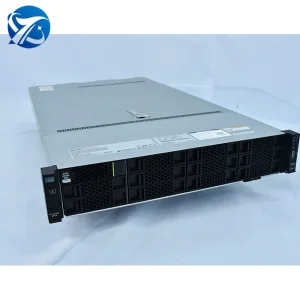
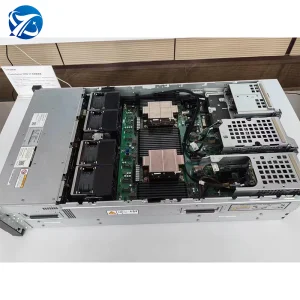
As rack space becomes increasingly expensive, the physical form factor of the enterprise SSD plays a vital role. The legacy 2.5-inch SATA design has been replaced by NVMe interfaces like U.2/U.3, which support dual-port capabilities for high-availability enterprise environments. Simultaneously, EDSFF (Enterprise and Datacenter Storage Form Factor) options, specifically E1.S and E3.S, are becoming the default standard in high-density GPU server models like the FusionServer 2288H V7 and other AI compute arrays. These new designs improve thermal dissipation and optimize airflow, ensuring the SSD controller does not thermal-throttle during prolonged input/output operations.
Industrial scale, quality controls, and supply chain strength of Bexora AI Systems (China) Co., Ltd.
A professional AI GPU server, high-performance computing infrastructure, and enterprise storage components manufacturer based in China. We specialize in scalable compute platforms for AI training, inference, high-density storage virtualization, and global data center deployments.
Why global enterprises and cloud providers source from China's premier industrial clusters.
Sourcing computing infrastructure from established Chinese industrial centers offers significant operational benefits for global buyers. It is not just a matter of labor efficiency; it is about the dense integration of component suppliers, testing facilities, logic controller designers, and mechanical assembly factories. This localized ecosystem dramatically accelerates product design iterations and ensures structural cost optimization that is difficult to replicate elsewhere.
Bexora’s facility in China leverages relationships with over 860 upstream and downstream supply chain partners. This network spans silicon wafer processing plants, micro-controller fabricators, printed circuit board (PCB) assembly plants, high-density server chassis manufacturers, and advanced thermal engineering companies. If a global enterprise client requires structural chassis customization or custom firmware tuning for a specific array of NVMe PM9A3 drives, the prototyping and design cycle can be compressed from months to weeks.
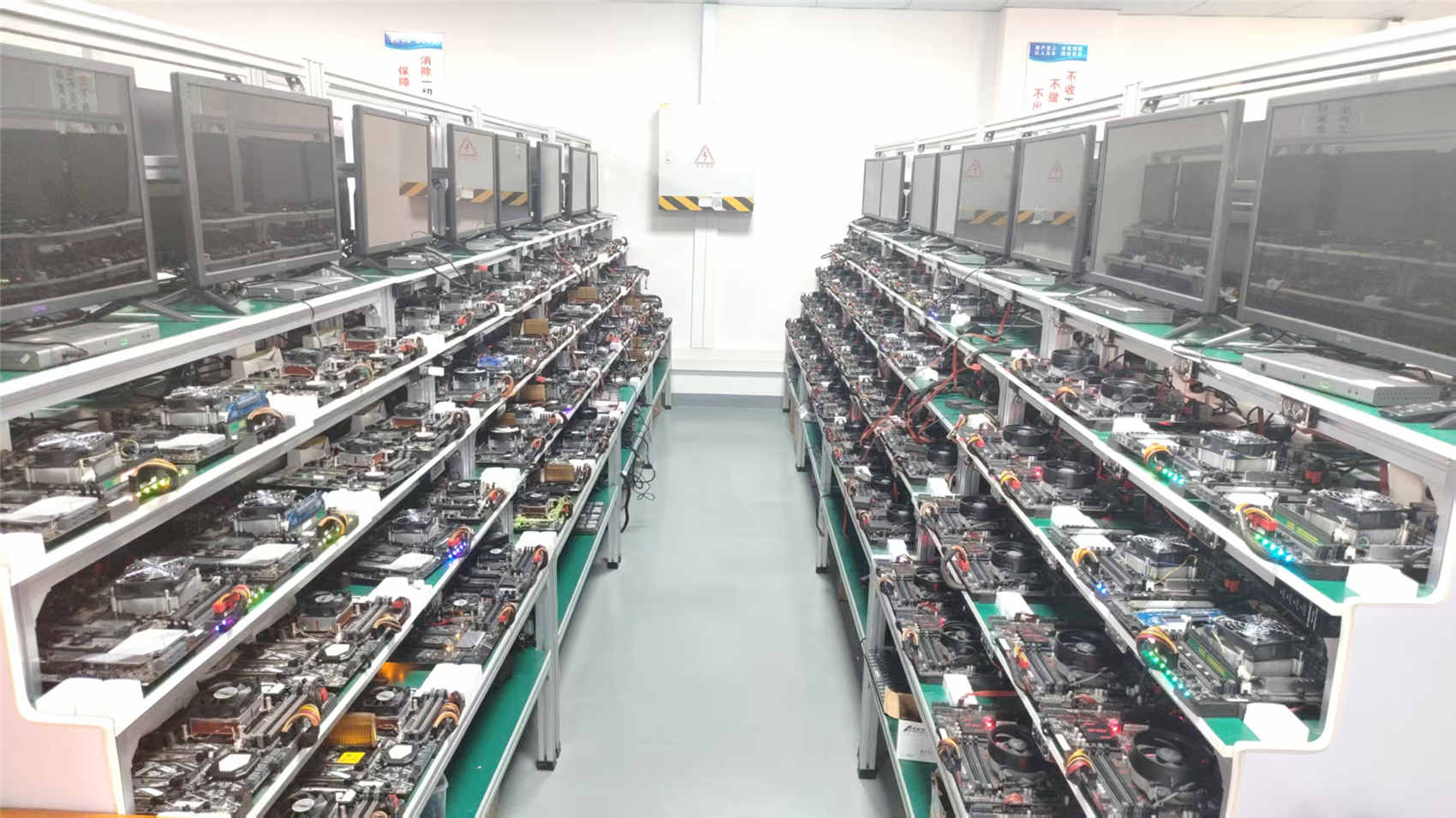
Modern enterprise hardware must maintain maximum uptime. Bexora enforces strict quality control through a dedicated team of 45 quality assurance professionals. The testing pipeline is divided into distinct, measurable validation steps:
With an engineering team of 160 professionals specializing in high-density layout design, server power distribution, and high-frequency signal pathways, Bexora successfully released 120 product iterations last year alone. This R&D capacity ensures that when major storage standards advance (such as the deployment of PCIe Gen 5, CXL 2.0 interface cards, or the integration of dual-port HBA fiber channels), the hardware ecosystem is updated in lockstep with the latest silicon capabilities.
Where Bexora enterprise servers and SSD components deliver optimal performance and lower TCO.
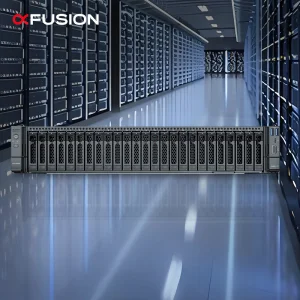
Deploy high-density GPU platforms like the FusionServer 2288H V7 or the xFusion 2488H V7 coupled with PCIe NVMe SSDs to bypass the typical IOPS bottlenecks of modern AI algorithms. Optimal for hosting large-scale LLMs like DeepSeek, where high-speed storage caching directly affects system training cycles.
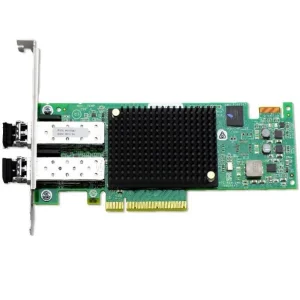
For cloud providers running hypervisors (VMware, Proxmox, Hyper-V) that partition single servers into hundreds of virtual containers. SSDs paired with high-quality host bus adapters (HBAs like the Emulex LPe35002-M2) deliver the sub-millisecond response times required to maintain SLAs.
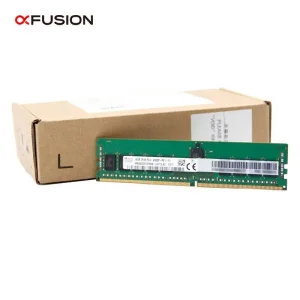
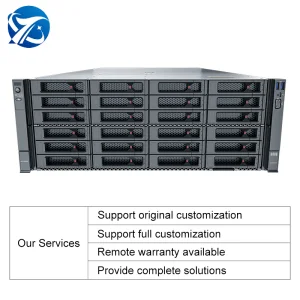
Perfect for structured and unstructured data silos, video processing, and enterprise backup arrays. Using xFusion high-performance NAS system servers with integrated ECC DDR4 server RAM ensures multi-user file transfer consistency and high throughput.
A professional buyer's guide to evaluating performance, reliability, and Total Cost of Ownership (TCO) in enterprise storage.
For B2B procurement managers, sourcing storage components or full server systems goes beyond looking at price-per-gigabyte metrics. To build a resilient data infrastructure, procurement decisions must align technical specifications with actual workload profiles.
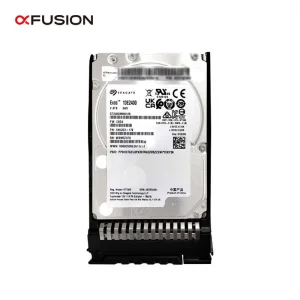
DWPD specifies the number of times a user can write data to the full capacity of the drive daily over its warranty period without failing. For write-heavy workloads like database logs or virtual desktop infrastructure (VDI), choosing a drive with high DWPD (e.g., 3.0 to 10.0) is essential. For read-heavy applications like media streaming or static databases, a drive with a lower DWPD (e.g., 0.5 to 1.0) and higher read speeds provides a better balance of cost and performance.
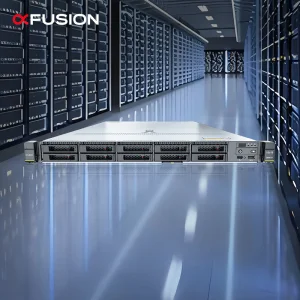
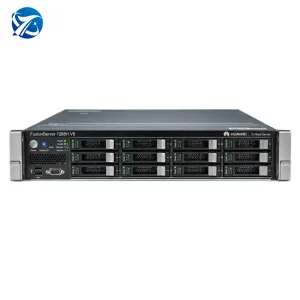
In enterprise-grade SSDs, the onboard controller is paired with dedicated capacitor arrays that provide temporary power in the event of sudden electricity loss. This power window is sufficient for the controller to flush active cache data from volatile DRAM onto non-volatile NAND cells, preventing data corruption. When sourcing drives for servers like the FusionServer 1288H V5, checking for hardware-level PLP is critical for enterprise applications.
Under continuous data write operations, high-speed PCIe controllers generate significant heat. A quality SSD manufacturer designs the drive firmware to support advanced thermal management, allowing the host server’s fans to dynamically respond to drive temperatures. This prevent thermal throttling, which can degrade read/write performance by up to 60% during peak operations.
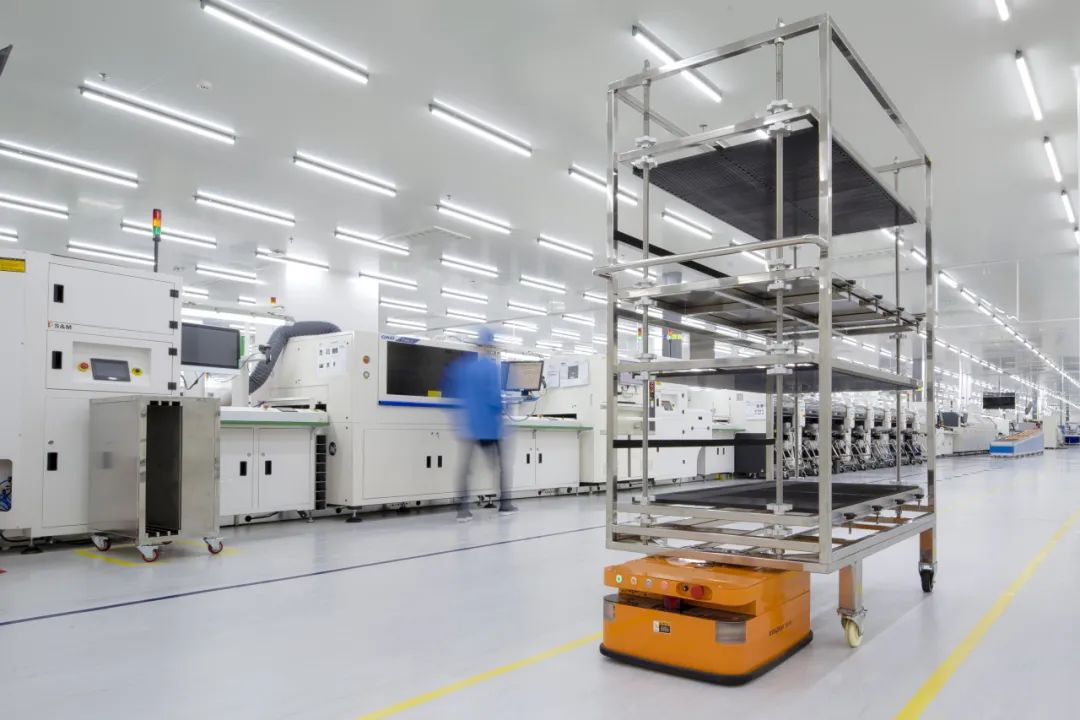
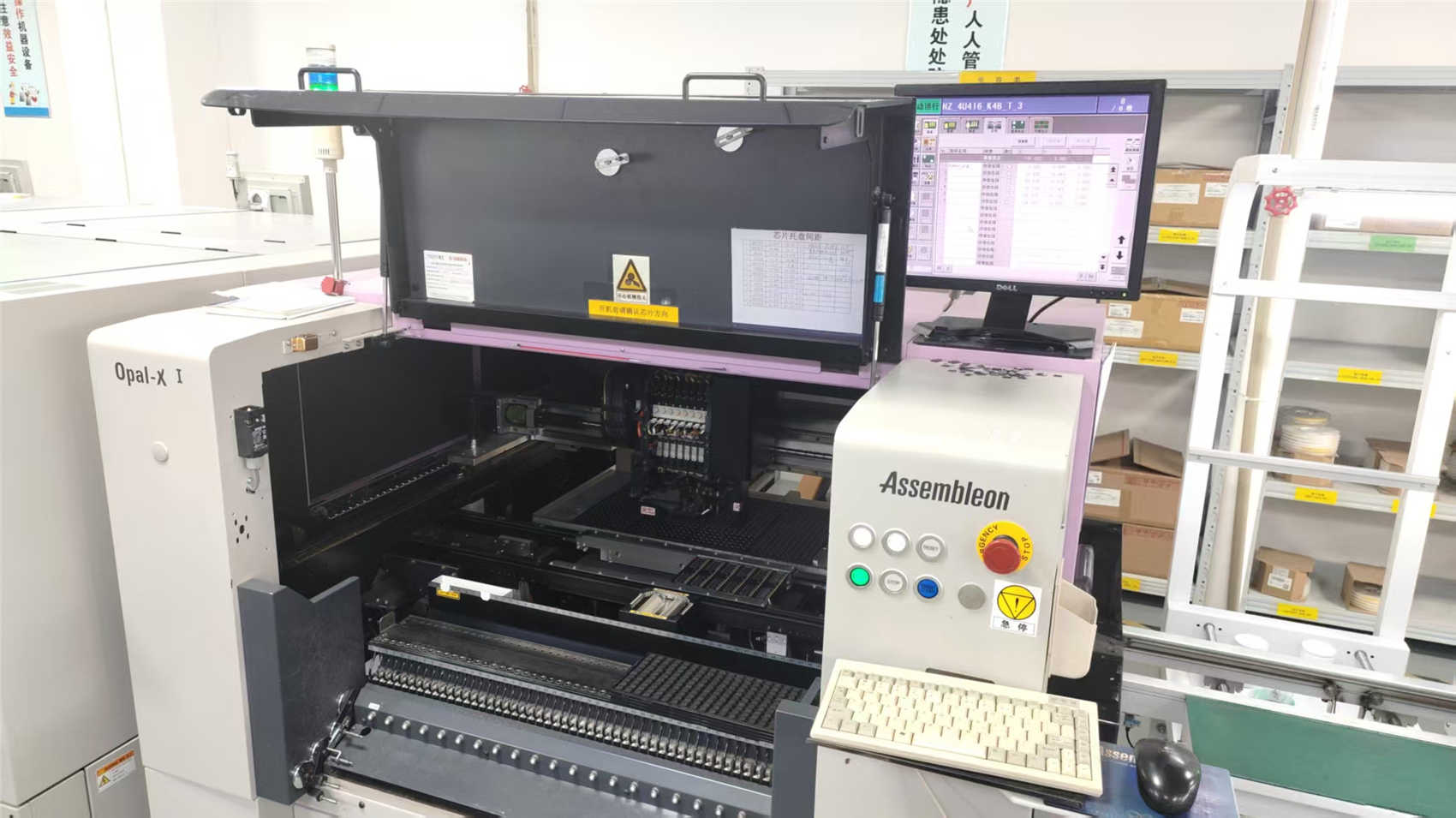
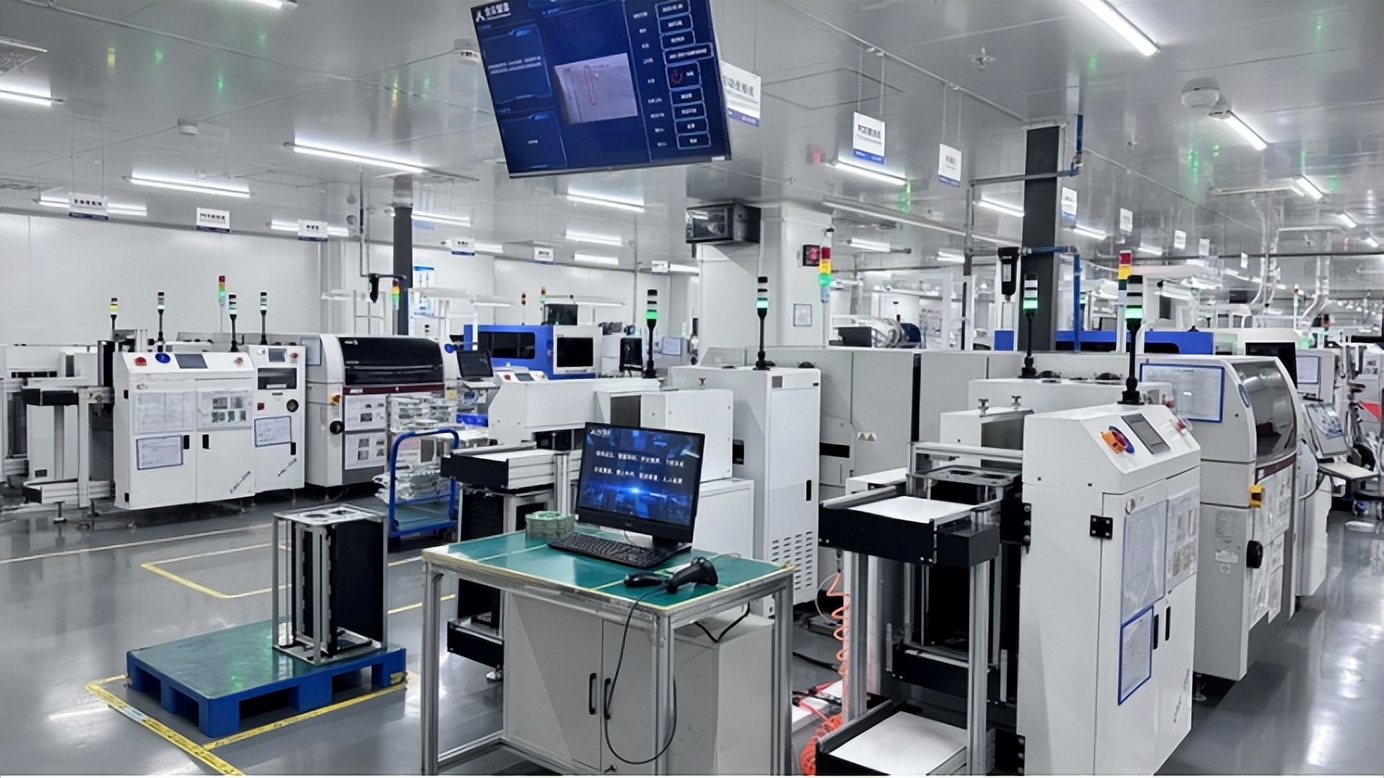
Inside the production, assembly, and quality assurance divisions of our modern server and memory storage manufacturing facility in China.


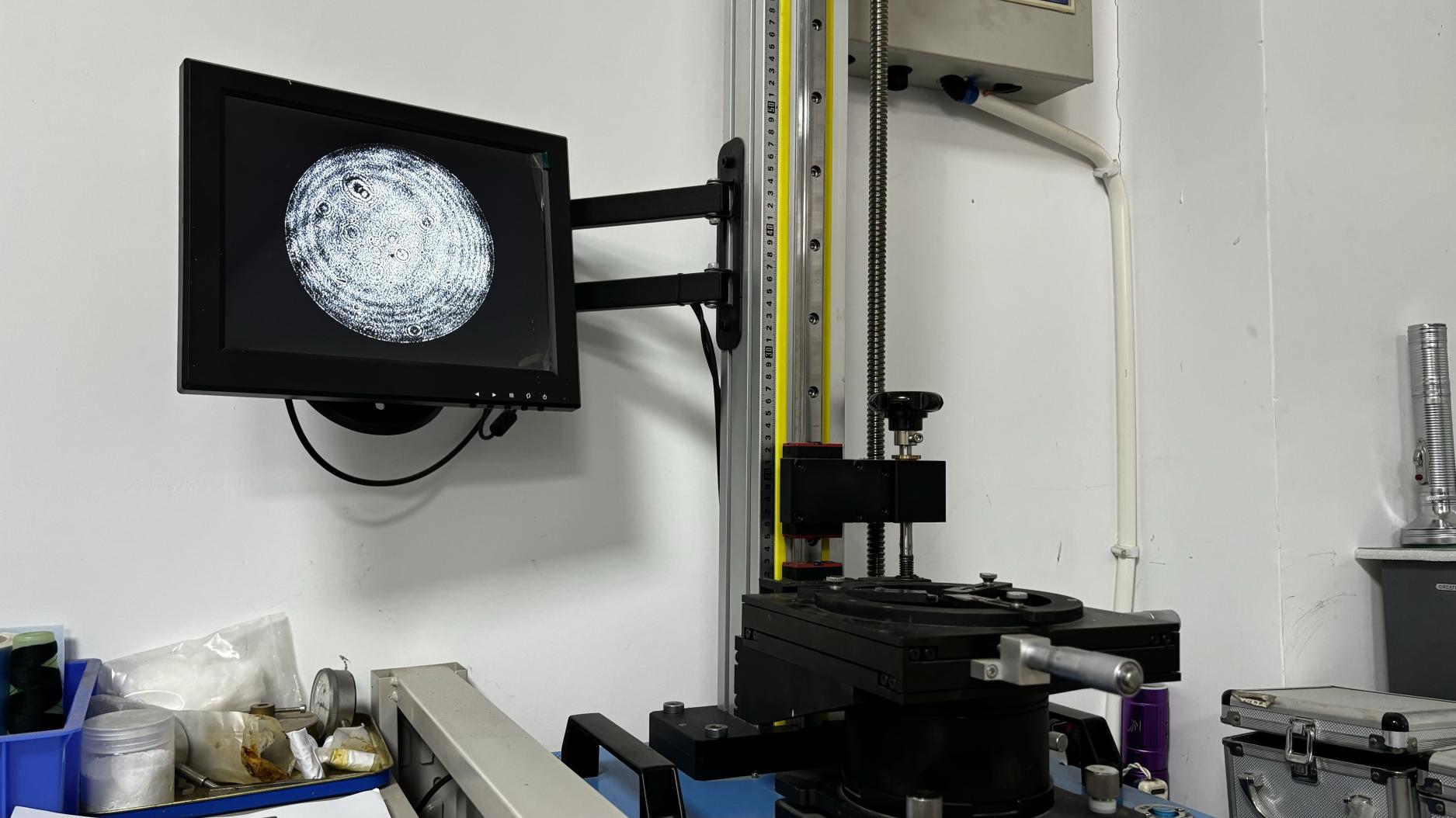
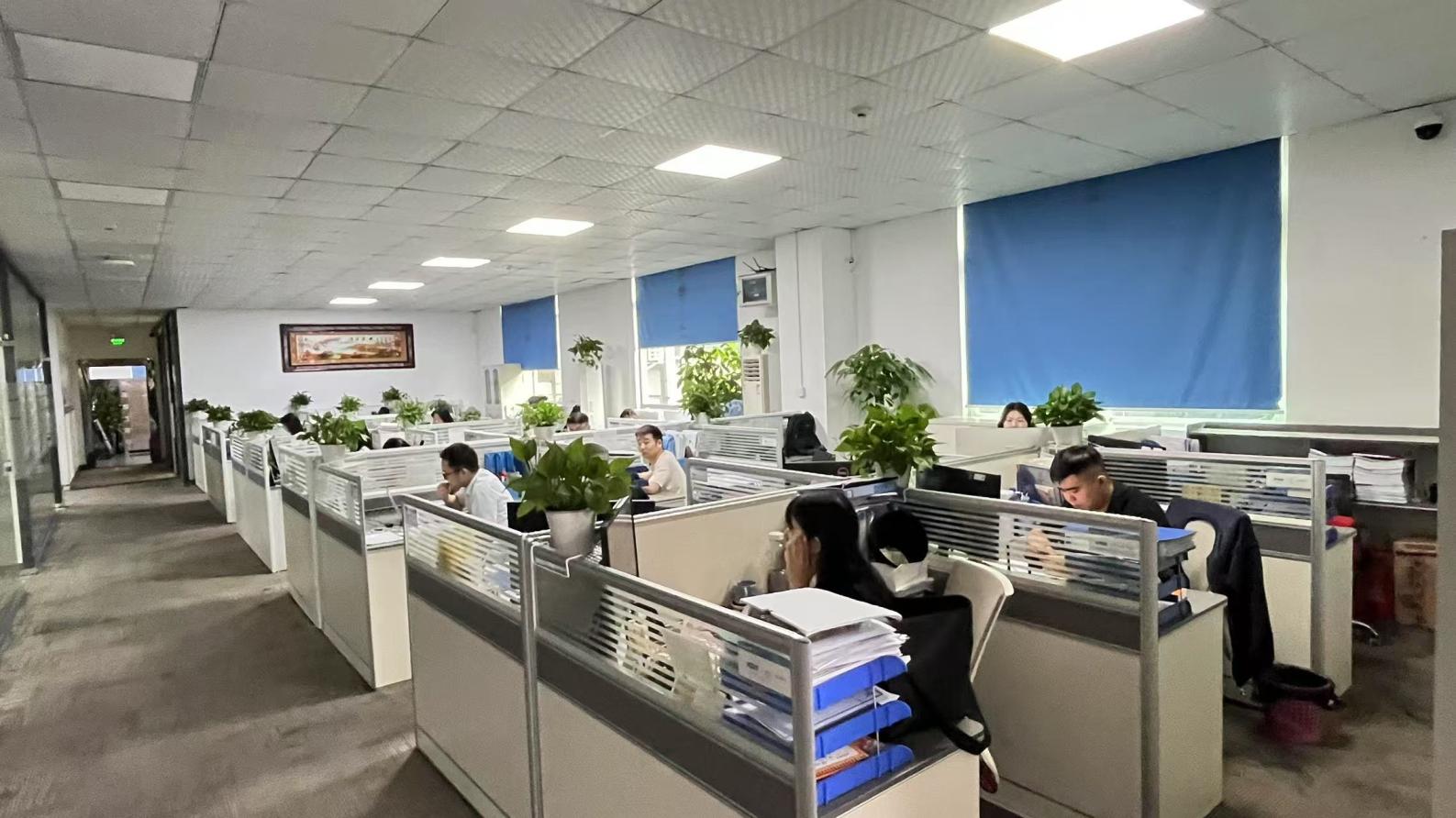
An analytical projection of memory pooling, CXL architectures, and computational storage integration.
The enterprise storage landscape will undergo significant changes over the next five years. As compute speeds outpace traditional communication channels, storage architectures are adapting to prevent data starvation at the CPU and GPU level.
CXL is a critical technology for modern datacenters. Operating over the physical PCIe Gen 5 and Gen 6 interfaces, CXL establishes low-latency, high-bandwidth connections between processors, GPU accelerators, and memory-class storage. By pooling storage and DRAM across multiple nodes, CXL minimizes data duplication and improves hardware utilization rates across enterprise server clusters.
Computational Storage embeds processor cores directly within the SSD controller. This allows the drive to run basic preprocessing operations—such as data filtering, encryption, search queries, or video transcoding—without transmitting massive datasets to the host CPU. By processing data locally on the storage drive, CSDs free up system memory bus bandwidth and CPU cycles for more demanding application logic.
Zoned Namespaces represent a fundamental shift in how the operating system interacts with flash storage. Instead of relying on a complex Flash Translation Layer (FTL) to manage write locations, ZNS allows the host software to write data sequentially into defined zones. This matches the sequential write requirements of physical NAND cells, reducing write amplification, improving write performance, and extending the drive's operating lifespan.
Technical answers to critical questions in high-performance storage procurement and deployment.
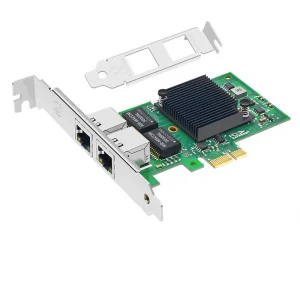
Scale system performance with enterprise-grade RAM, networking interface cards, and high-density computing infrastructure.