Bexora
The Digital Infrastructure Pulse of Southern California
The Greater Los Angeles Area is experiencing an unprecedented structural transition in enterprise IT architecture. From Silicon Beach's fast-scaling startup clusters to the massive media, entertainment, and digital rendering pipelines of Burbank, Glendale, and Culver City, the need for dense, high-efficiency computation is no longer optional. As localized media productions utilize neural-rendering pipelines and generative AI platforms, traditional processing configurations are proving inadequate.
Our research and distribution teams have observed three critical macro-economic forces impacting the sourcing of rack computing solutions in Southern California:
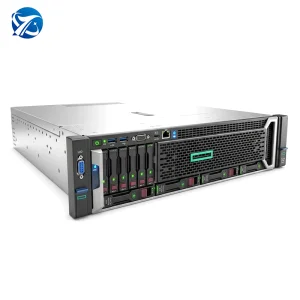
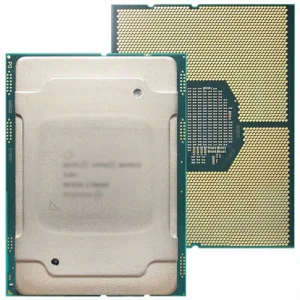
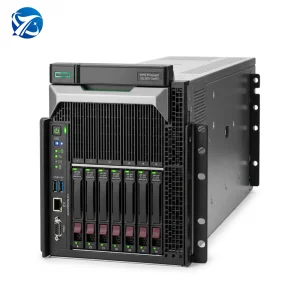
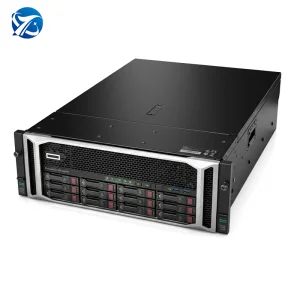
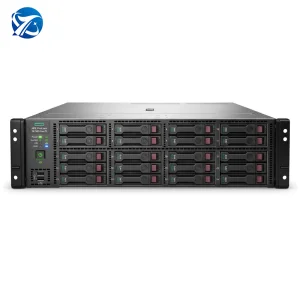
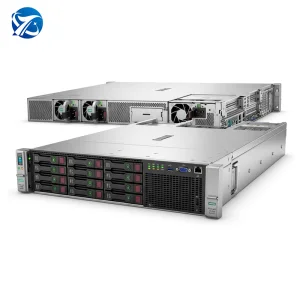
- Media and Entertainment Virtualization: Content distribution networks (CDNs), post-production facilities, and virtual effects (VFX) render farms require low-latency file storage coupled with extreme multi-core virtualization capabilities. HPE ProLiant systems equipped with high-core-count Xeon Scalable processors serve as the baseline architecture for these complex workloads.
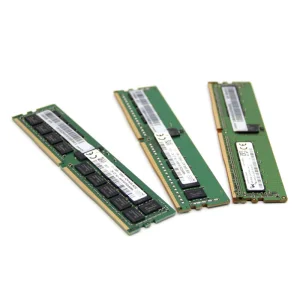
- High-Performance Biomedical Clusters: Centered around Pasadena and the LA County biotechnology corridor, high-performance computing (HPC) environments require massive memory bandwidth (DDR5) and PCIe Gen5 expansions to execute complex genomic sequencing and structural bioinformatics simulations.
- Green Infrastructure & Thermal Regulations: California’s strict Title 24 energy efficiency building codes impose rigorous constraints on data center power usage. Decarbonization initiatives force infrastructure directors to source hardware offering high performance-per-watt ratings and advanced liquid cooling designs, such as the HPE ProLiant Gen12 series.
"Adapting to local resource configurations in California demands a paradigm shift. Deploying modern server nodes with high thermal compliance prevents local enterprise networks from incurring excessive operational expenditure."
Strategic Hardware Procurement for Local Enterprises
Procuring reliable compute nodes requires analyzing supply chain realities. Many local enterprises face lead times exceeding twelve weeks for direct component configurations. In response, Bexora AI Systems bridges the gap between global hardware manufacturing and local distribution. Our strategically managed inventories enable rapid configuration-to-order (CTO) assemblies, shipping directly to Los Angeles hubs to reduce deployment cycles from months to days.