Bexora
Bexora
Bexora
High-performance optical switches, AI host server blocks, and industrial SSD components tailored to the specifications of modern Dutch hyper-scale facilities.
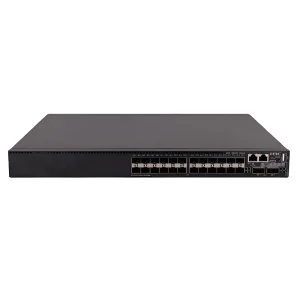
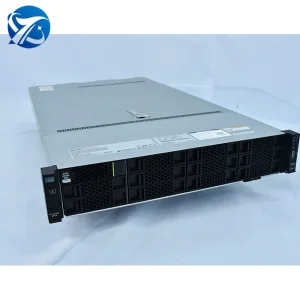
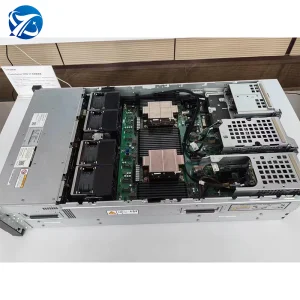
As the primary digital gateway to Europe, the Netherlands boasts one of the most mature IT ecosystems globally. Anchored by the Amsterdam Internet Exchange (AMS-IX) and key continental landing stations, the country handles astronomical levels of cross-border data. However, the rise of multi-modal logistics networks at the Port of Rotterdam, automated agricultural glasshouses in the Westland region, and high-performance computing centers in Eemshaven are driving a paradigm shift in local network architectures.
Modern Dutch enterprises demand switches that offer not just raw throughput, but intelligent traffic policing, energy-efficient operational profiles, and hardened physical structures capable of operating in variable industrial environments. The transition from legacy systems to multi-gigabit Layer 3 structures is critical to support the ongoing automation of logistics corridors and next-generation AI pipelines across the country.
Deploying resilient, low-latency L3 switches supporting 10G and 40G optical uplinks to cope with the surge in high-performance cloud peering and multi-tenant virtualization hubs.
Delivering high-reliability Ethernet switches with high MTBF ratios, ruggedized chassis, and intelligent routing protocols for dynamic container terminal sorting systems.
Supplying energy-optimized PoE switches for automated climate monitoring sensors, smart irrigation networks, and optical grading machines in modern agritech.
For network procurement managers and system integrators in the Netherlands, selecting the right partner involves balancing cost structures with high hardware performance and engineering flexibility. The electronics and semiconductor supply chains in Shenzhen represent an unmatched resource. Access to cutting-edge PCB fabrication, component sourcing, and high-volume optical transceiver assembly allows Chinese factories to offer state-of-the-art enterprise switches at highly optimized margins.
By bypassing multiple layers of European distribution, procurement teams can source directly from specialized Chinese facilities. This model ensures that customization options—ranging from physical chassis modifications, customized firmware implementations, to specialized port layouts (SFP28, QSFP28)—are executed swiftly. Bexora AI Systems links upstream component supply networks directly with custom engineering to deliver enterprise-grade performance without the cost inflation typical of Western legacy brands.
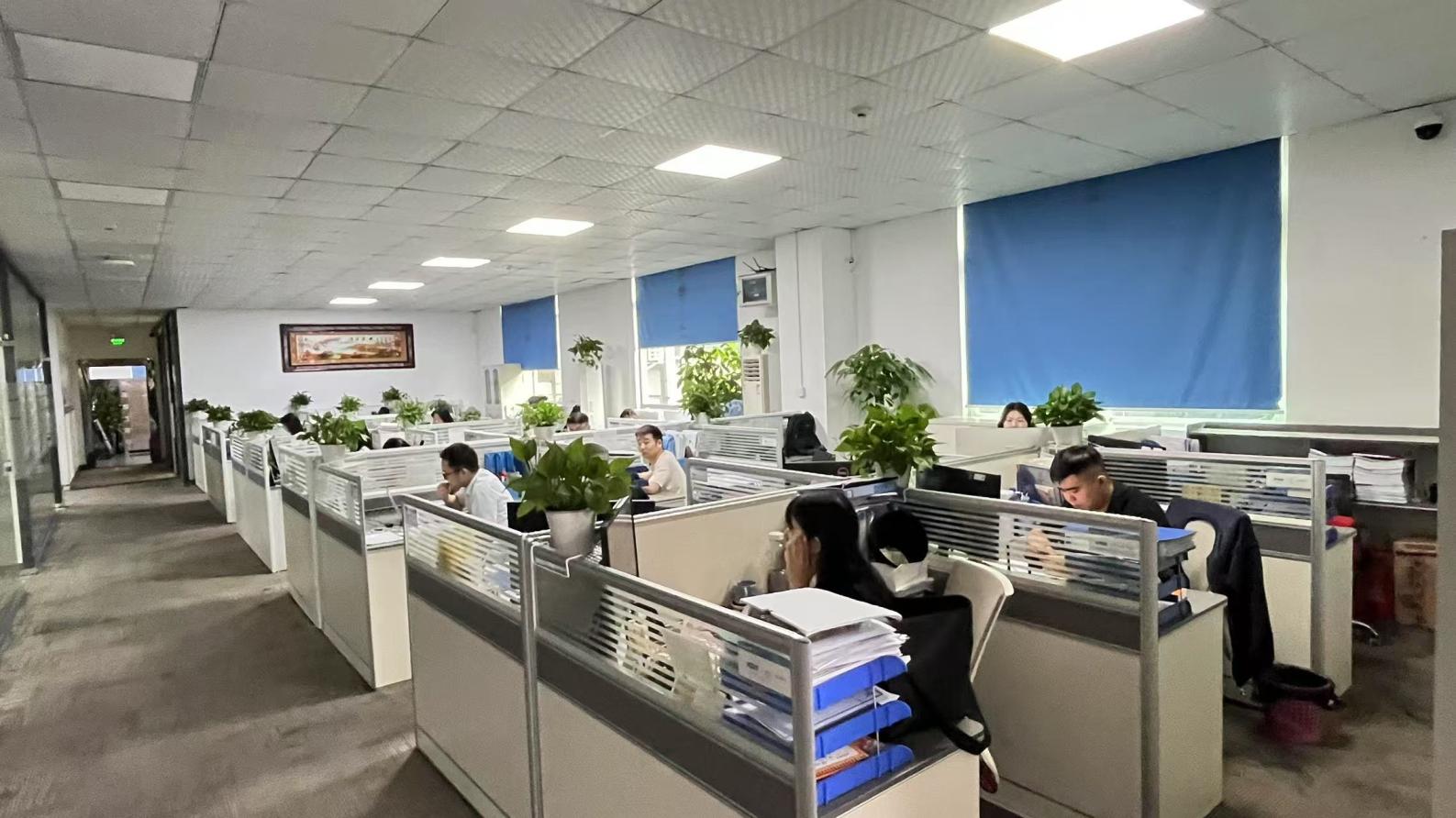
Selling IT hardware to the Dutch market requires strict adherence to EU regulations, including the CE directives, RoHS (Restriction of Hazardous Substances), and WEEE (Waste Electrical and Electronic Equipment). At Bexora AI Systems, quality control is not a post-production formality but a multi-stage, continuous engineering protocol. Our dedicated QC team of 45 certified professionals runs rigorous burn-in test sequences and thermal stress evaluations to verify structural integrity and electrical efficiency.
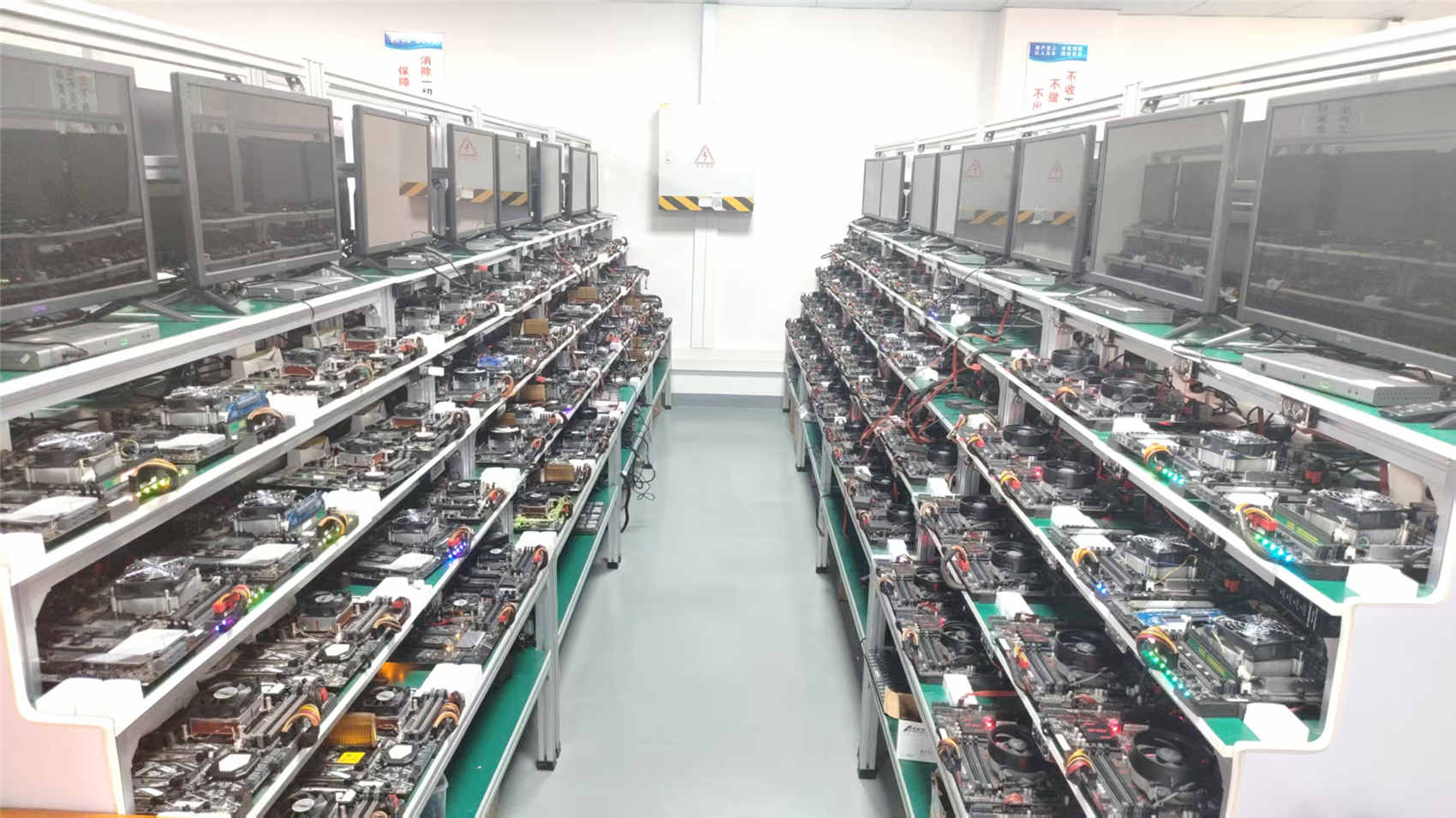
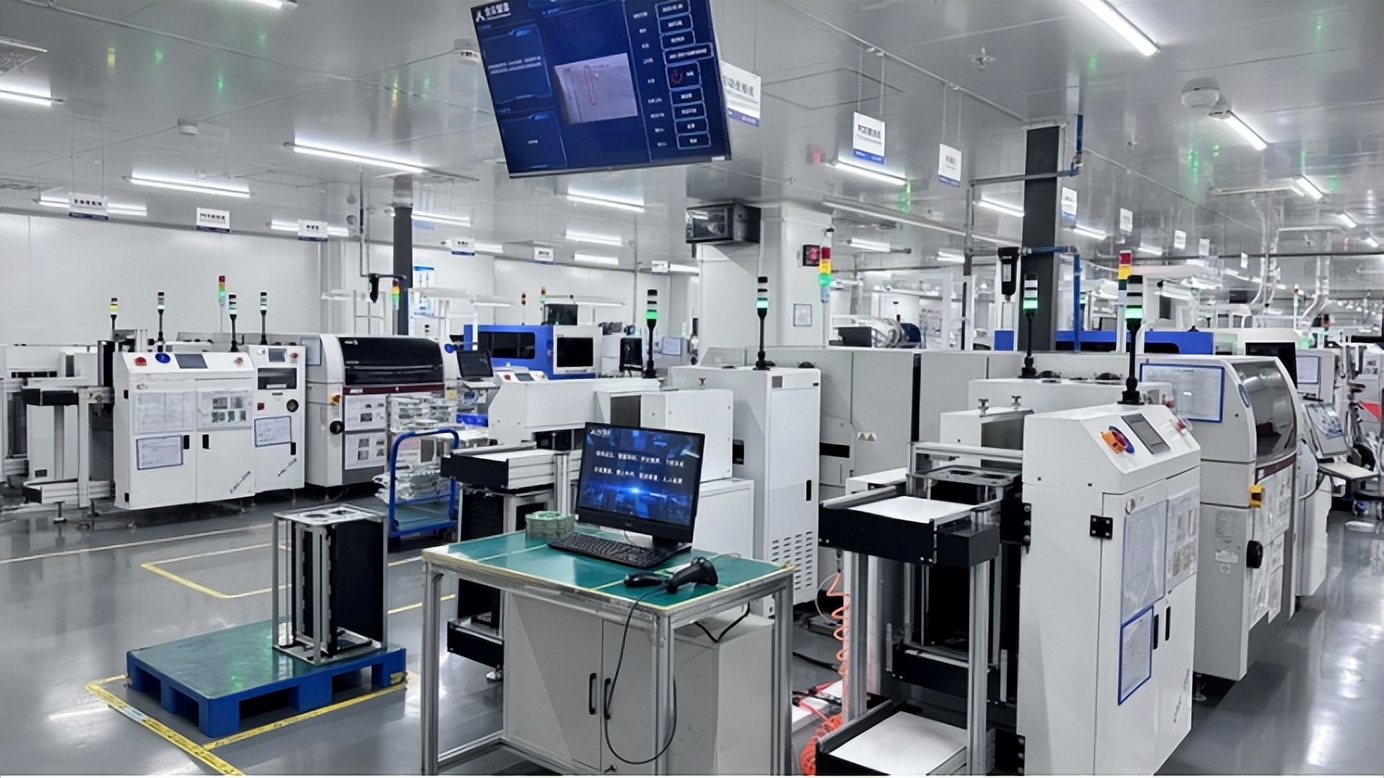
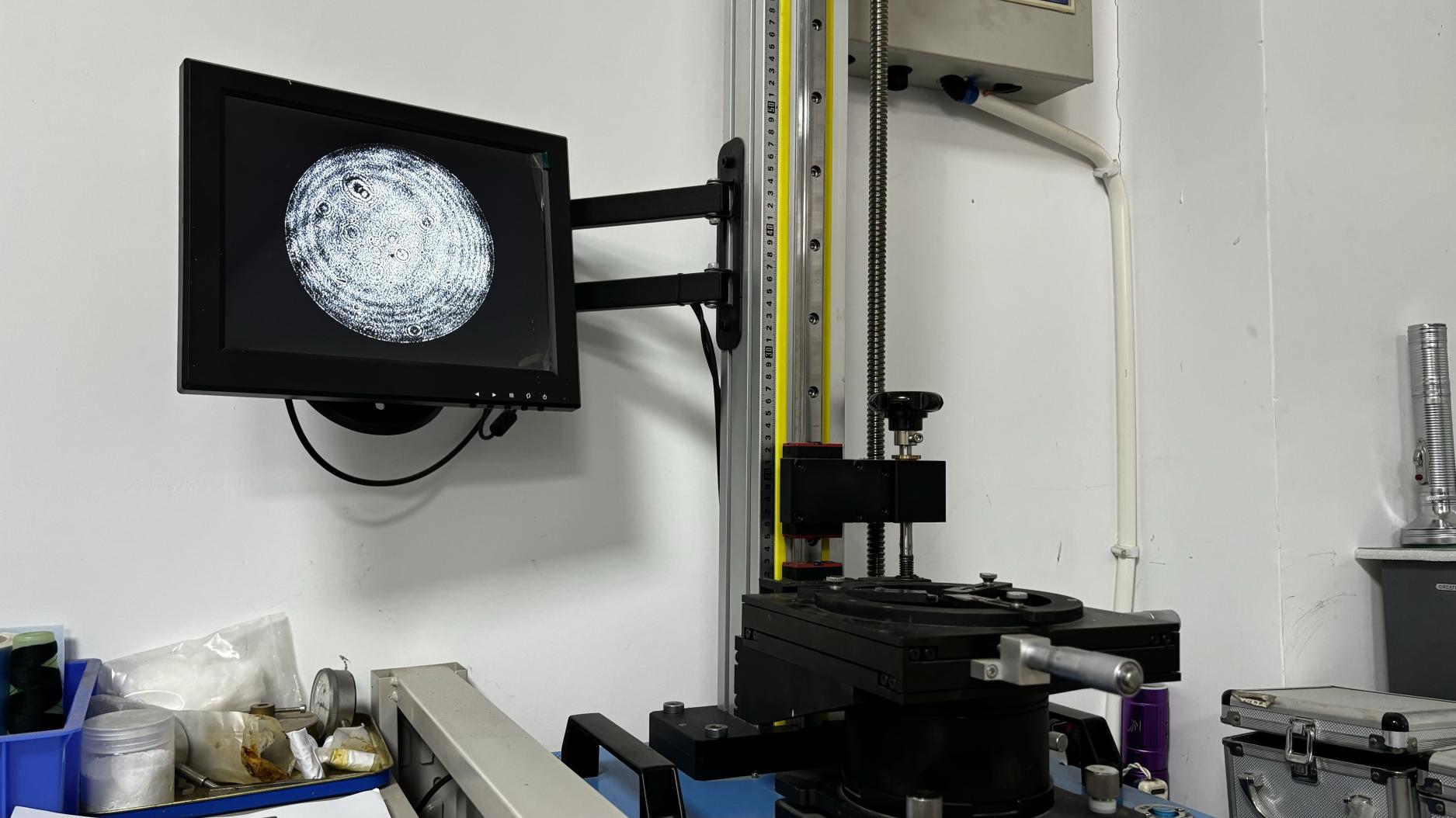
Switches and compute systems undergo 72-hour thermal stress tests inside isolated chambers, ensuring optimal operation at high-density data server loads.
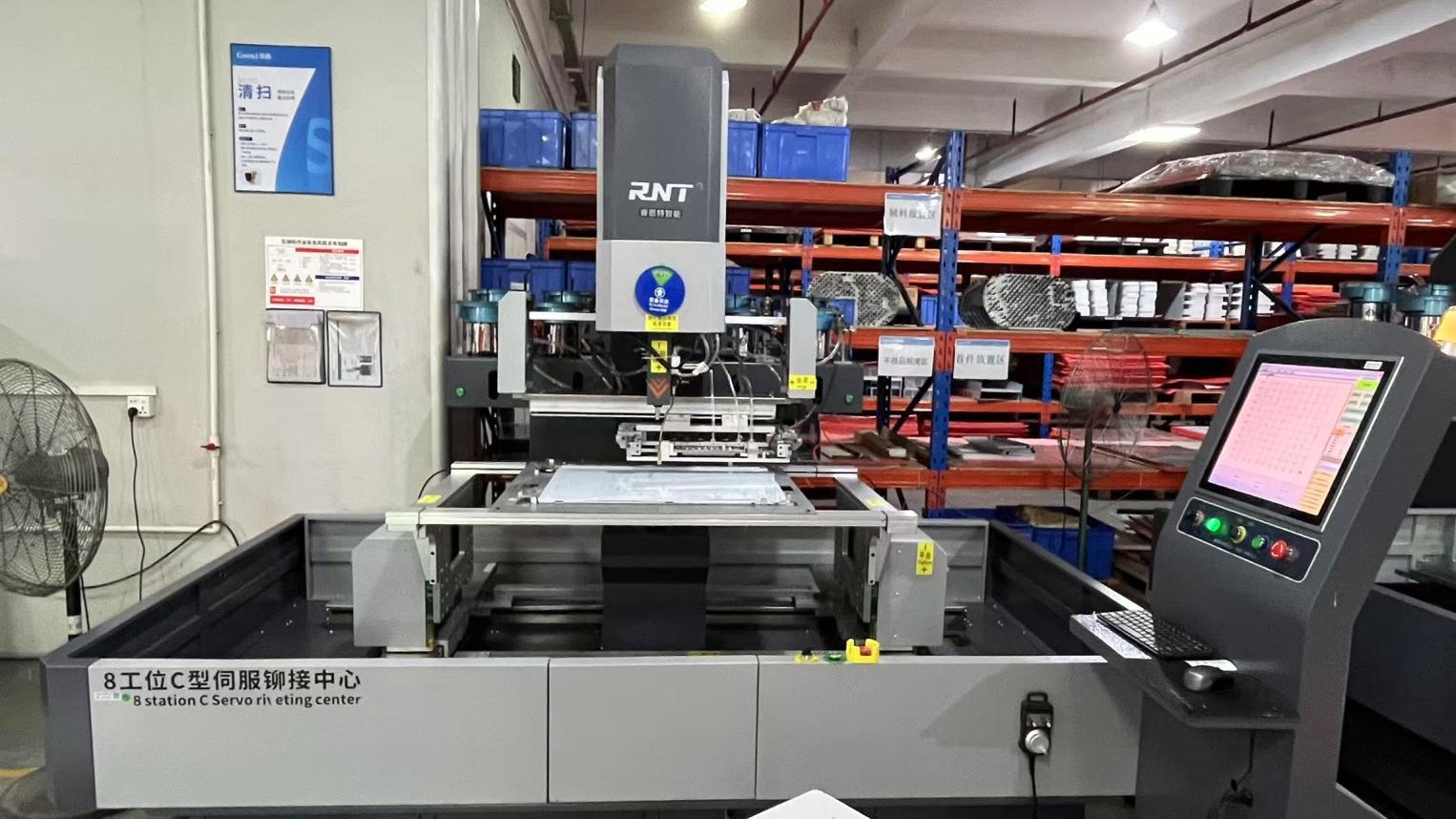
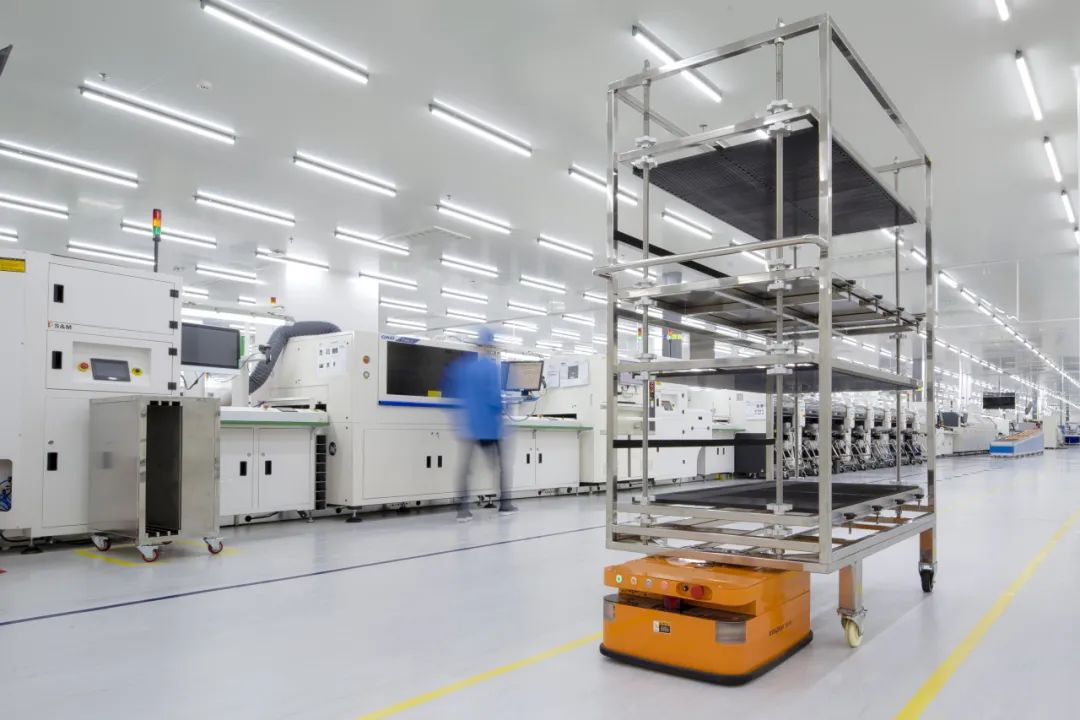
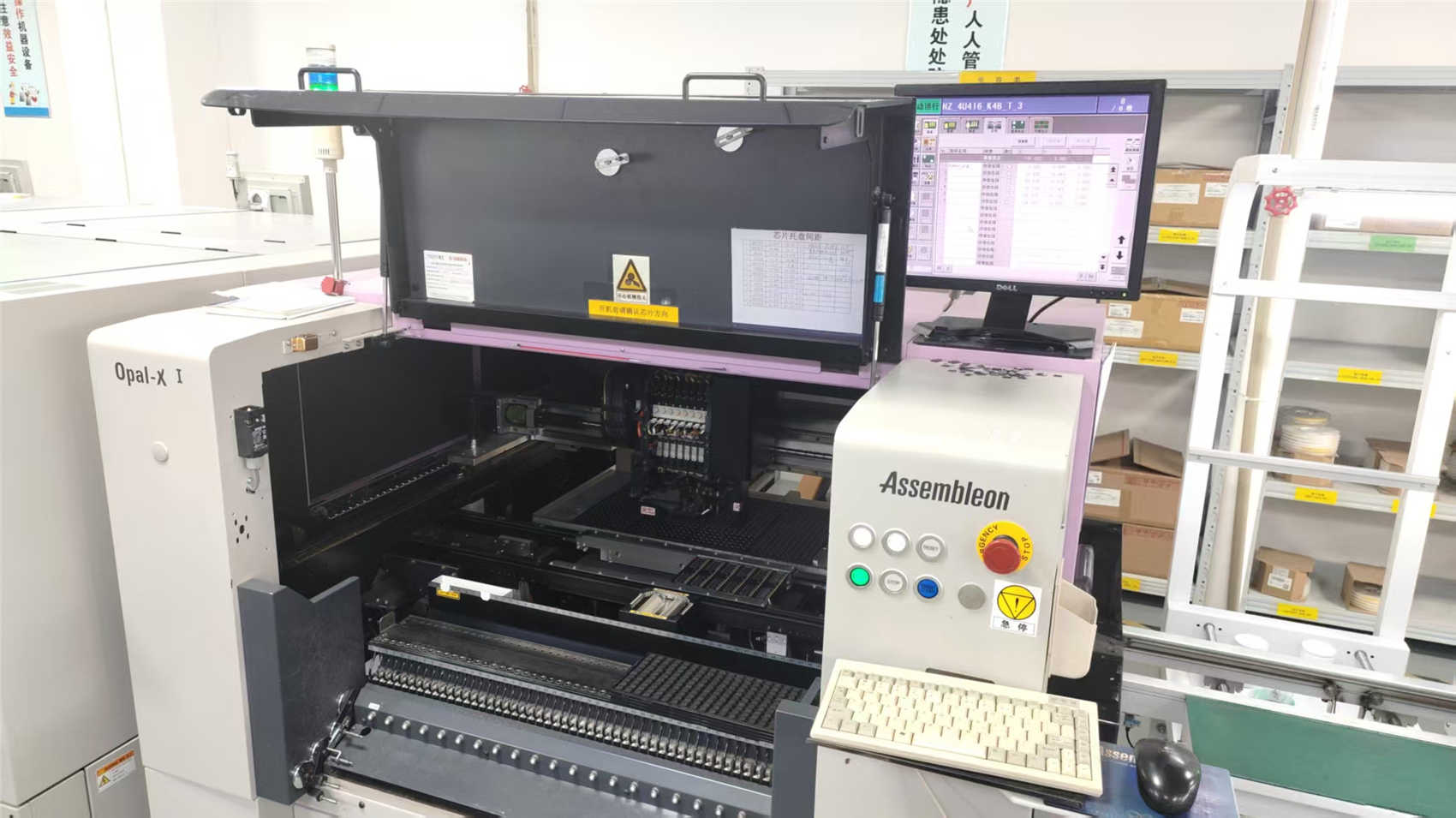
Using AOI systems to scan every PCB layer for structural faults, trace path inconsistencies, and solder joint vulnerabilities prior to assembly.
Testing firmware compatibility, Layer 3 routing speeds, and optical transceiver packet loss rates under heavy, simulated data center loads.
Furthermore, our network switches are loaded with secure, open-standard firmware packages that align with European GDPR requirements. Our hardware features no hardcoded factory backdoors, supports robust TACACS+/RADIUS authentication protocols, and implements secure administrative interfaces. This guarantees that your organization's sensitive infrastructure traffic remains strictly secure.

Building high-performance networks in the Netherlands demands careful specification selection. Architects must choose hardware that provides non-blocking switching fabrics, low port-to-port latency, and adequate cooling capacity to handle density upgrades. The guide below outlines key considerations when upgrading network backbone or edge nodes:
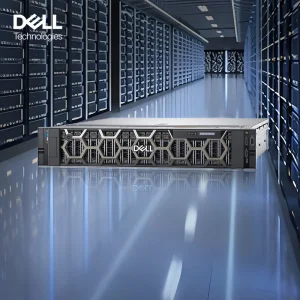
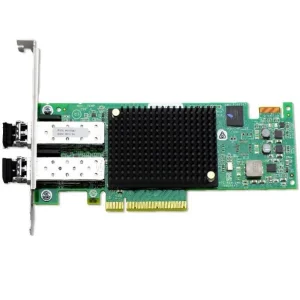
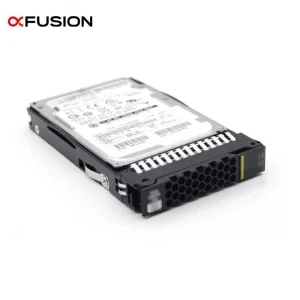
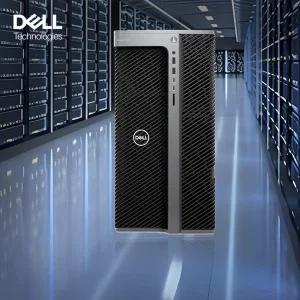
Scale out your data architecture using our high-compatibility components, enterprise-class SAS storage options, memory ranks, and optical network interfaces.



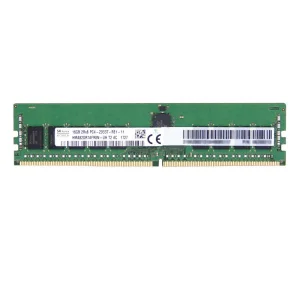
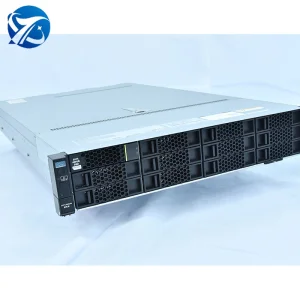

Important information about logistics, custom configurations, certifications, and support systems for European enterprises.
Every batch of network switches and servers destined for the EU undergoes strict verification against CE, RoHS, and WEEE directives. We conduct electromagnetic compatibility (EMC) testing and restrict the use of hazardous substances in all circuitry. Complete documentation and declarations of conformity are provided with each shipment to facilitate smooth customs clearing at Rotterdam Port or Amsterdam Schiphol.
Standard configurations are processed and shipped within 10–15 business days. Custom OEM/ODM requirements—such as dynamic optical configurations, specific OS setups, or dedicated chassis designs—require 4 to 6 weeks. Air freight via Schiphol typically takes 5–7 days, while sea freight via Rotterdam takes roughly 28–35 days.
Yes. Our R&D engineering team of 160 specialists can adjust or load custom firmware profiles on our switching hardware. We support standard OpenFlow integrations, robust NETCONF/YANG interfaces, and custom SNMP MIBs, allowing seamless setup with legacy infrastructure like Cisco, HPE, or Juniper.
Absolutely. Security is central to our hardware design. Our firmware supports secure configurations including SSHv2, HTTPS, SNMPv3, TACACS+, and RADIUS. No hidden backdoors exist in our operating systems, and we provide regular firmware security updates to protect your data network against intrusion.
Our QA testing protocols include a 100% full inspection combined with random sampling reliability tests. We execute simulated full-load AI workloads, thermal stress tests, and firmware validations on our server clusters to guarantee stable performance even under high processing loads.