Bexora
Bexora
Bexora
Premium network switches and power components engineered for high-availability cloud deployments in Tel Aviv, Haifa, and global technology sectors.
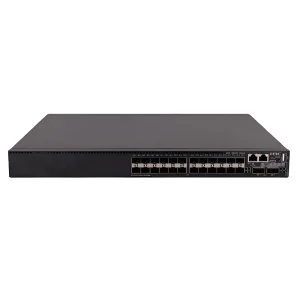
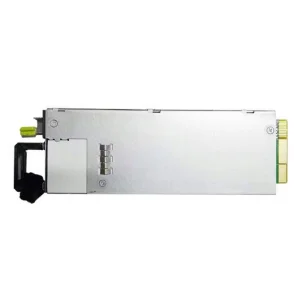
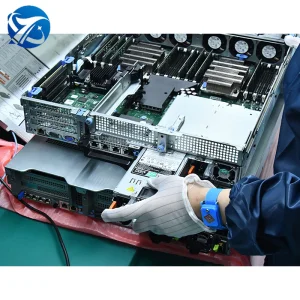
Israel, particularly the central high-tech corridor known as Silicon Wadi (stretching from Tel Aviv to Haifa and Beer Sheva), is one of the world's most dense concentrations of research and development in networking silicon, cyber-security, and high-performance cloud clusters. Due to the presence of global semiconductor giants and homegrown security leaders, the requirements for enterprise switching networks in this region are exceptionally rigorous.
Local applications demand network architectures that satisfy military-grade reliability parameters, high thermal threshold margins (essential for sub-tropical coastal and desert installations), and zero-trust hardware integrity. Switch structures deployed here must operate seamlessly within hybrid architectures where multi-gigabit connections link local on-prem security fabrics with global public cloud endpoints.
Deployments in national infrastructure require robust hardware profiles. Custom switches configured with high-density optical ports and dedicated layer-3 processing units prevent cross-talk and preserve network segmentation.
Financial trading frameworks in Ramat Gan and Tel Aviv rely on microsecond latency. Optical core switching configurations bypass intermediate packet inspection bottlenecks using specialized ASIC routing pathways.
Deployments in the Negev region demand equipment capable of resisting high dust exposure and variable power supplies. Our industrial-grade integration partners support these networks with hot-swappable HVDC systems.
The worldwide networking switch industry is going through a massive structural evolution, primarily accelerated by the global push for AI training and massive inference computation. Standard ethernet protocols are adapting rapidly. Modern configurations require RDMA over Converged Ethernet (RoCE v2) to bypass CPU overhead during high-density operations, creating a massive demand for non-blocking, line-rate switches.
In traditional layouts, switches operated as simple message forwarders. In contemporary hyperscale cloud architectures, the transition to software-defined networking (SDN) relocates routing computations to host-level SmartNICs, while the physical core switch functions as a physical backplane optimized for massive bandwidth and zero-loss packet buffering. Designing systems that support cross-compatibility between standard x86 configurations and high-performance switches is essential to secure clean routing operations.
Our long-term developmental blueprint targets the integration of 400G and 800G optical networking architectures. By optimizing physical ASIC routing pathways and prioritizing hardware-level thermal distribution, we enable global systems to run cooler and consume less electrical overhead under maximum continuous workloads.
High-throughput controllers and network rack servers optimized for extreme storage bandwidth and fast throughput.
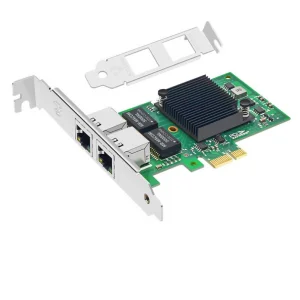
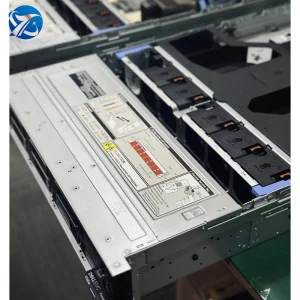
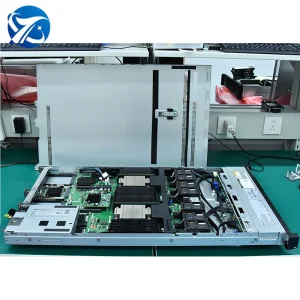
Bexora is a professional AI GPU server and high-performance computing infrastructure manufacturer based in China, specializing in scalable compute systems for AI training, inference, and data center deployment.
We employ a rigorous 100% full inspection combined with random sampling reliability testing. Our QA procedures ensure hardware-level stability under full AI workloads and enterprise-grade environments.
With over 860 supply chain partners, we support comprehensive hardware design modification, custom network configuration optimization, and liquid-cooling loop integration.
Serving deep learning companies, high-capacity hosting platforms, and leading global network developers across Europe, North America, Southeast Asia, and the Middle East.
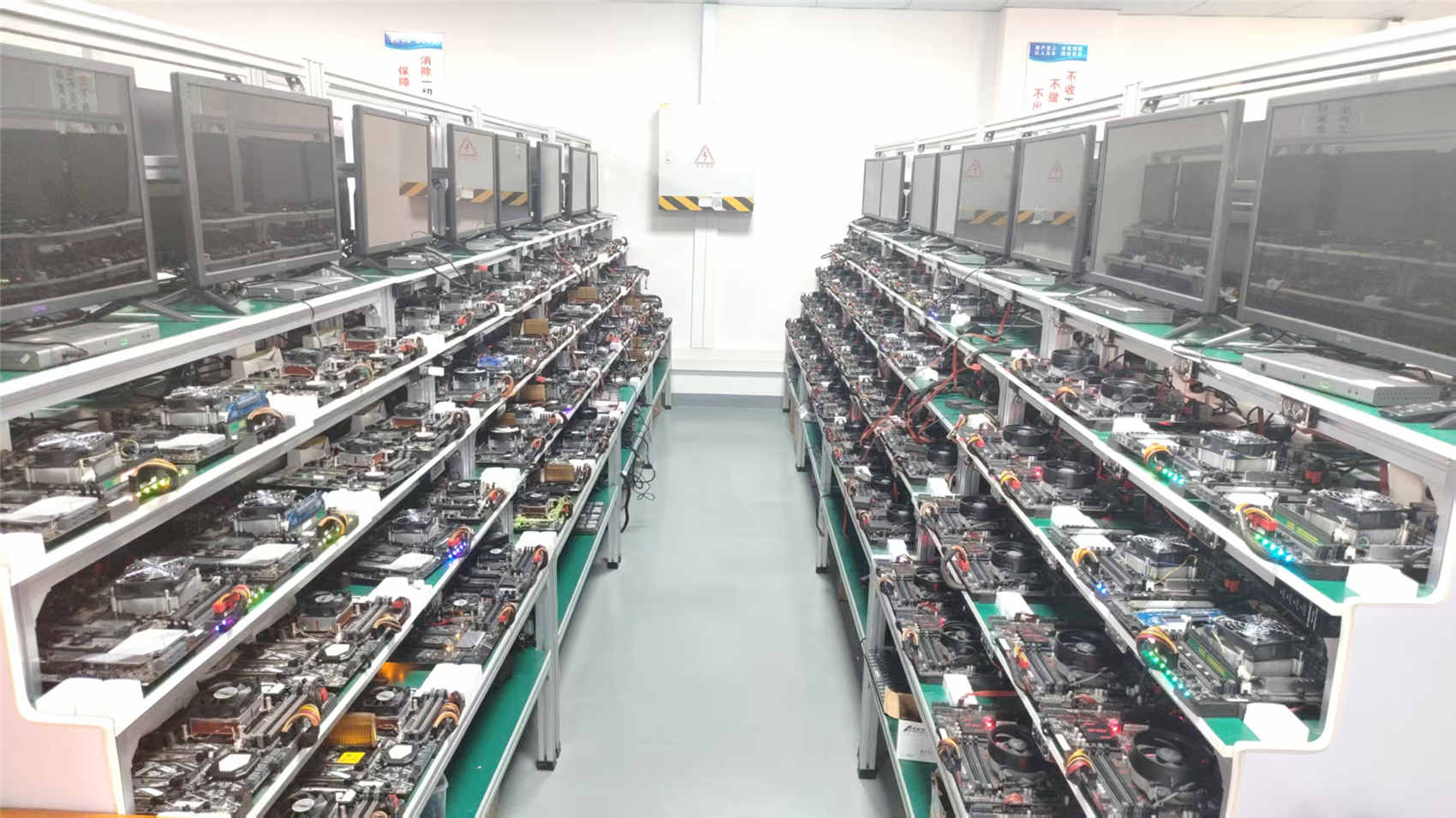

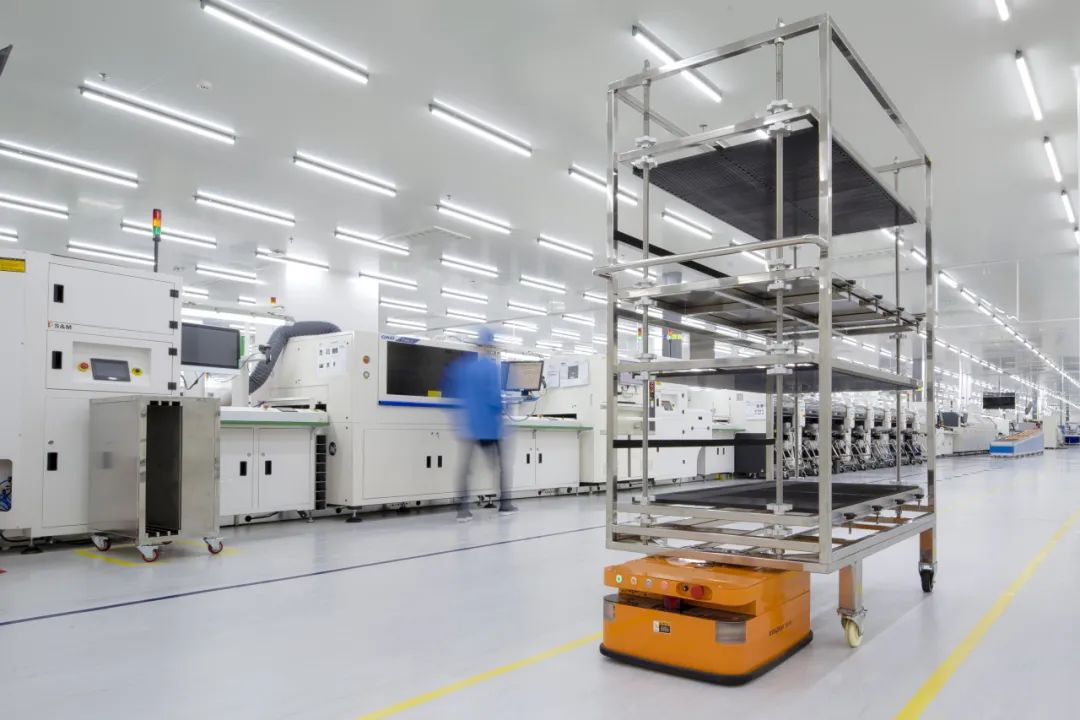

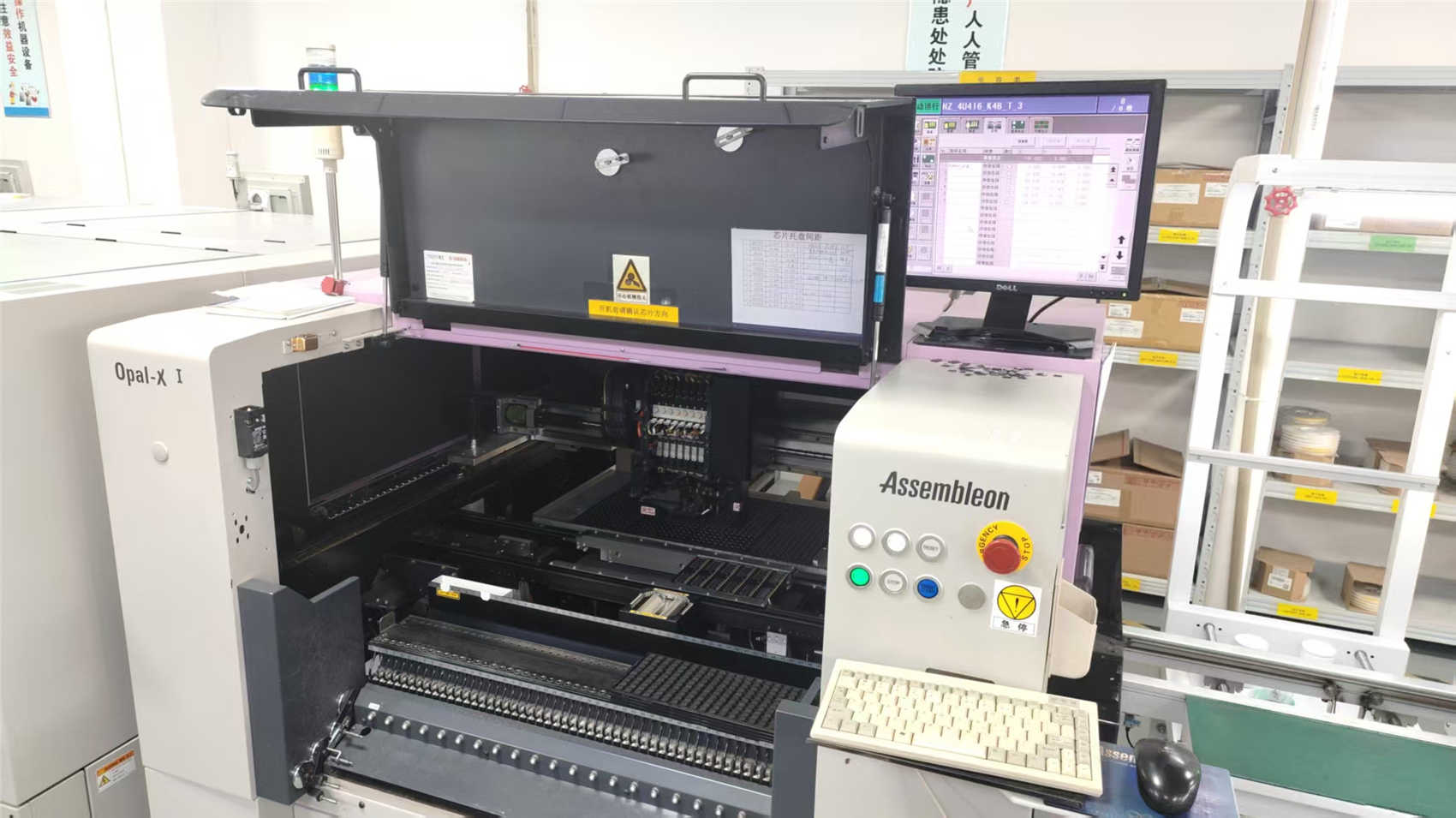
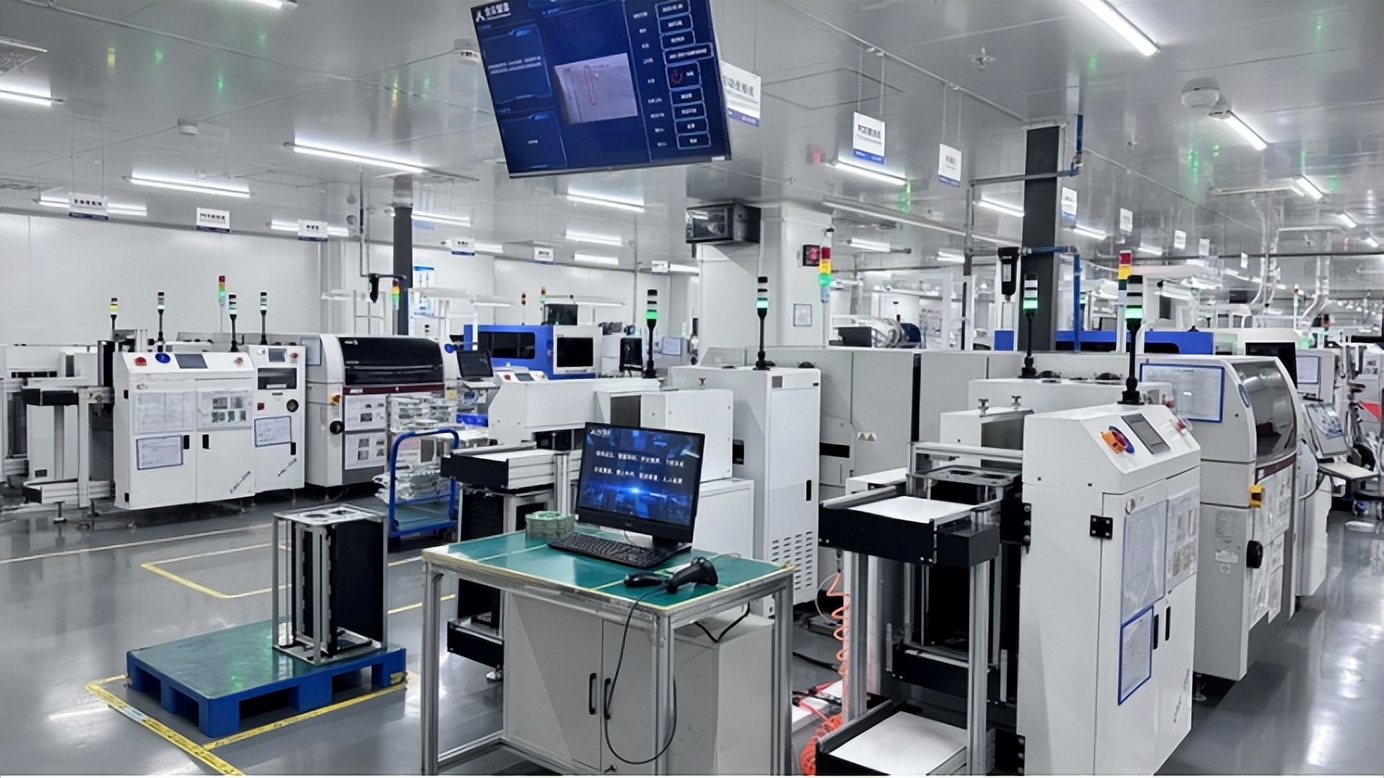

Industrial-grade servers and storage technologies optimized for local deployment across Israel's technology hubs.

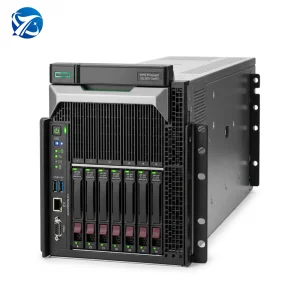

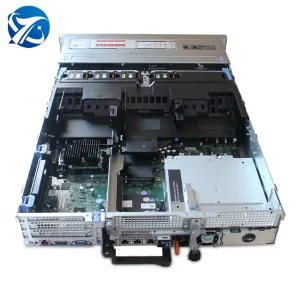
Resolving deployment bottlenecks, optimizing configurations, and choosing optimal standards for high-performance networks.
A: Enterprise core switches utilize hardware-level ASIC (Application-Specific Integrated Circuit) architectures to manage packet switching directly on the physical layer, avoiding software-based routing loops. Implementing features like RoCE v2 (RDMA over Converged Ethernet) enables direct memory access between server network cards and switches without involving the CPU, dropping transfer latencies to sub-microsecond levels.
A: Yes. Bexora operates a 160-engineer custom layout team that provides ODM/OEM adjustments. We modify internal chassis dimensions, configure specialized power supply topologies (including hot-swappable HVDC modules), and integrate liquid cooling lines directly to fit high-density server closets.
A: Deploying networking infrastructure in areas with variable conditions requires hot-swappable redundant fans, dust-filtration bezels, and power supply units rated for extended thermal ranges (up to 45°C continuous ambient operation). During production, we perform burn-in and thermal stress testing to identify and replace component anomalies before delivery.
A: Layer 2 switching forwards frames based on physical MAC addresses within a local area network (LAN). Layer 3 routing switches inspect IP packets and determine routing vectors across different subnets. This separation reduces broadcast traffic congestion, limits security exposures, and stabilizes massive enterprise environments.
A: Bexora collaborates with more than 860 reliable raw material and component suppliers. This diverse logistics network ensures consistent access to premium optical transceivers (including QSFP28 and QSFP56 standards) and limits shipment delays during global component bottlenecks.
Ready to configure custom network switch solutions for your data center?
Send Inquiry Now