Bexora
Bexora
Bexora
Engineered for high availability, sub-millisecond latency, and intensive compute workloads across Japan's leading enterprise networks.
Tokyo ranks as one of the world's most dense and sophisticated telecommunications hubs. With crucial subsea cable landing stations in Chiba (Minamiboso, Chikura) and Ibaraki (Takahagi, Ajigaura), Tokyo serves as the primary gateway connecting East Asia to North America. As the demand for High-Frequency Trading (HFT) in Nihonbashi-Kabutocho and hyper-scale cloud deployments in Inzai (Chiba Prefecture) increases, the requirement for zero-jitter, multi-gigabit core network switches is paramount.
Traditional architecture is no longer sufficient. Contemporary Tokyo data centers are transitioning to Leaf-Spine network topologies utilizing 100G, 400G, and 800G optical lines. The Tokyo metropolitan area demands network infrastructure capable of executing billions of floating-point operations while maintaining absolute packet delivery assurance.
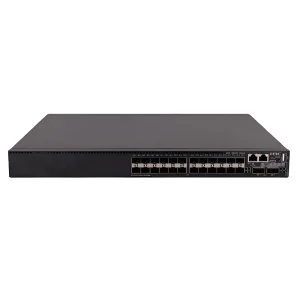
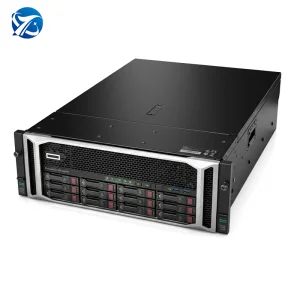
Bexora AI Systems provides customized network switches designed for the challenging operational environment of Japanese enterprises, featuring low power usage, small footprints, and compatibility with standard open-source network operating systems (such as SONiC).
Understanding how modern GPU clusters and global data routing are reshaping network design.
The global enterprise networking landscape is undergoing a massive transformation driven by Artificial Intelligence (AI) training pipelines and high-throughput LLM deployment. AI servers run intense workloads, creating network bottlenecks if standard hardware is used. To address this, hardware designs now integrate high-speed switching fabrics with computing nodes, creating low-latency pathways that optimize compute efficiency.
Currently, the migration from 10G/40G structures to 100G/400G and even 800G switches is accelerating. High-performance protocols such as RoCEv2 (RDMA over Converged Ethernet) and InfiniBand have emerged as standard infrastructure requirements. These protocols bypass CPU processing stacks, allowing network adapters to transfer data directly to server memory, which reduces latencies to sub-microsecond levels.
Furthermore, structural optimization now emphasizes the separation of the management, control, and data planes. Large scale providers utilize hardware switches with merchant silicon, decoupling hardware from software to reduce vendor lock-in. By adopting open networking configurations, IT procurement teams globally can select best-of-breed hardware platforms optimized for cost, thermal characteristics, and port density.
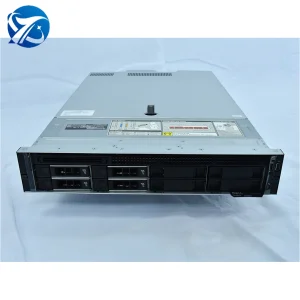
Bexora is positioned at this convergence point. We produce not only network switches but also high-density compute nodes, GPU workstations, and SSD arrays, ensuring that the entire interconnection ecosystem is unified and free of backplane constraints.
Bexora AI Systems (China) Co., Ltd. bridges the gap between state-of-the-art manufacturing scalability and bespoke performance tuning required by global firms.
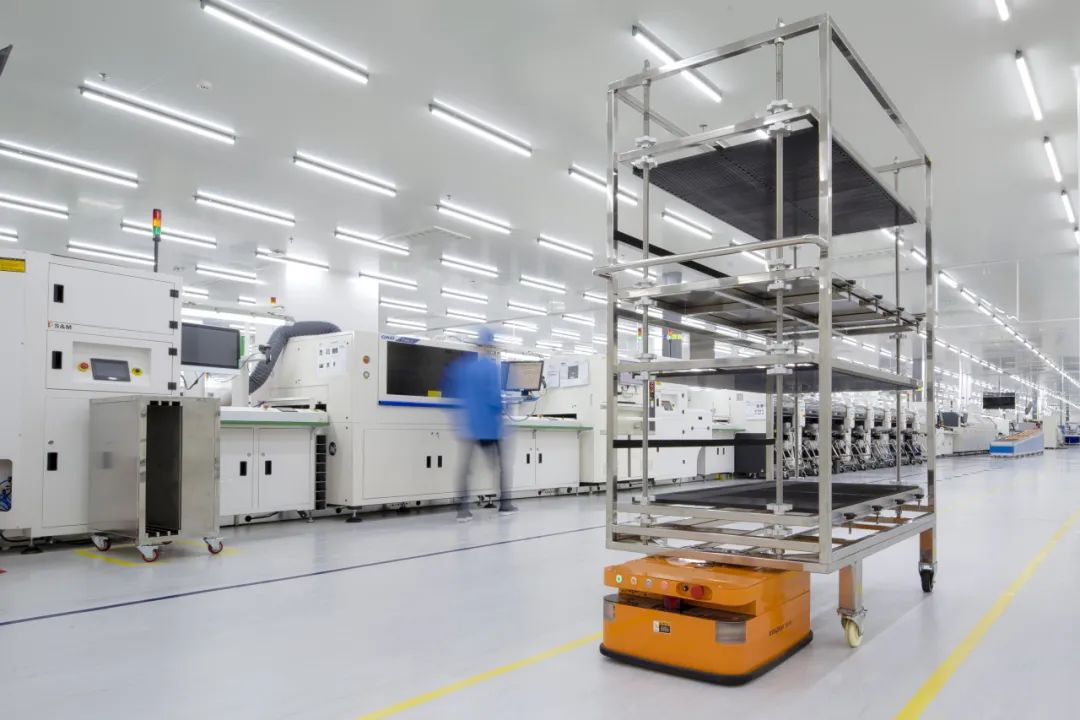
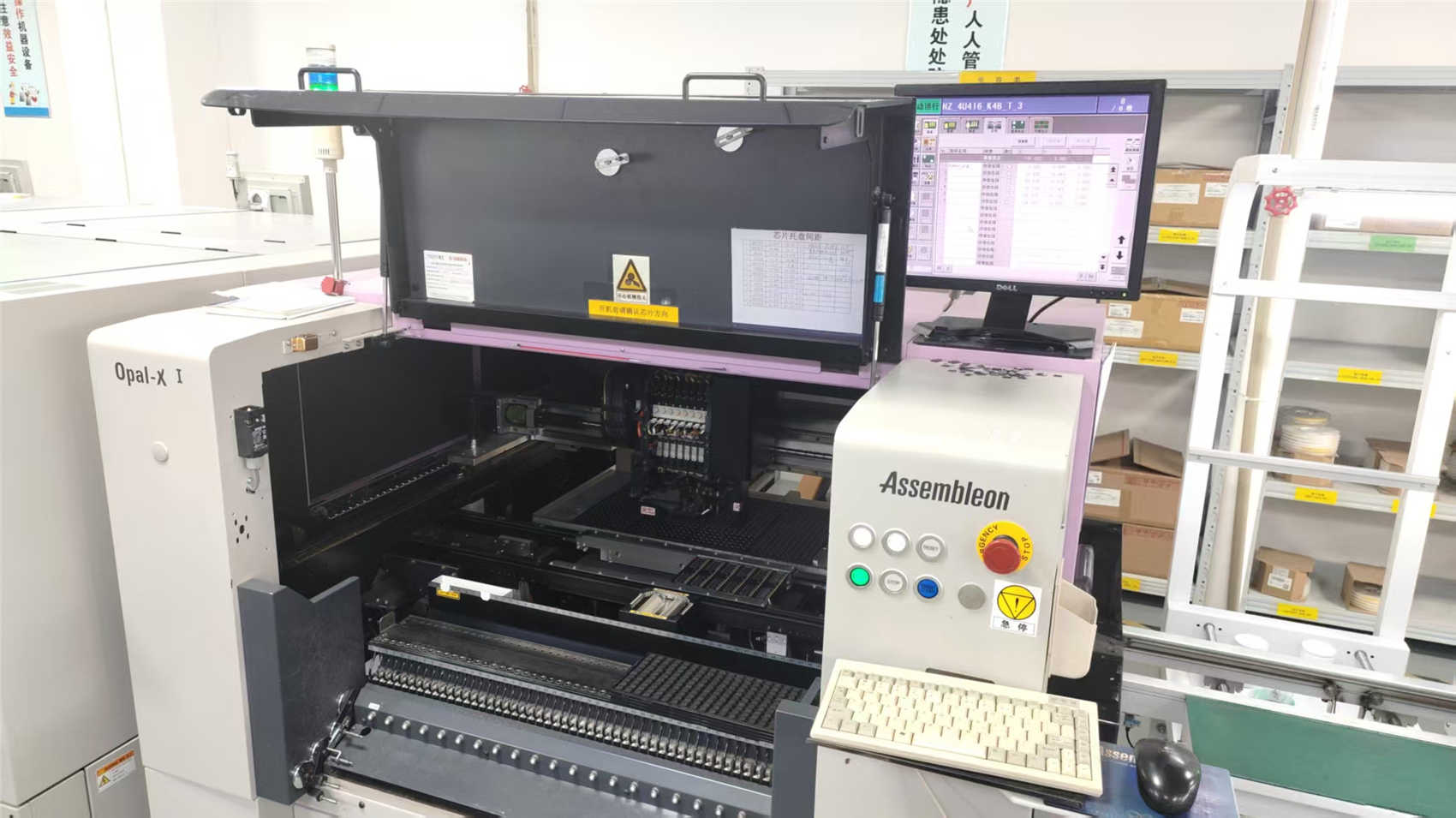
Established in 2016 and operating out of an 18,600m² manufacturing facility in China, Bexora supplies network infrastructure and server technology to international markets. Backed by 12 years of industry experience, we coordinate a robust network of over 860 supply chain partners. This ecosystem ensures access to premium raw materials, integrated circuit packages, and advanced chassis components.
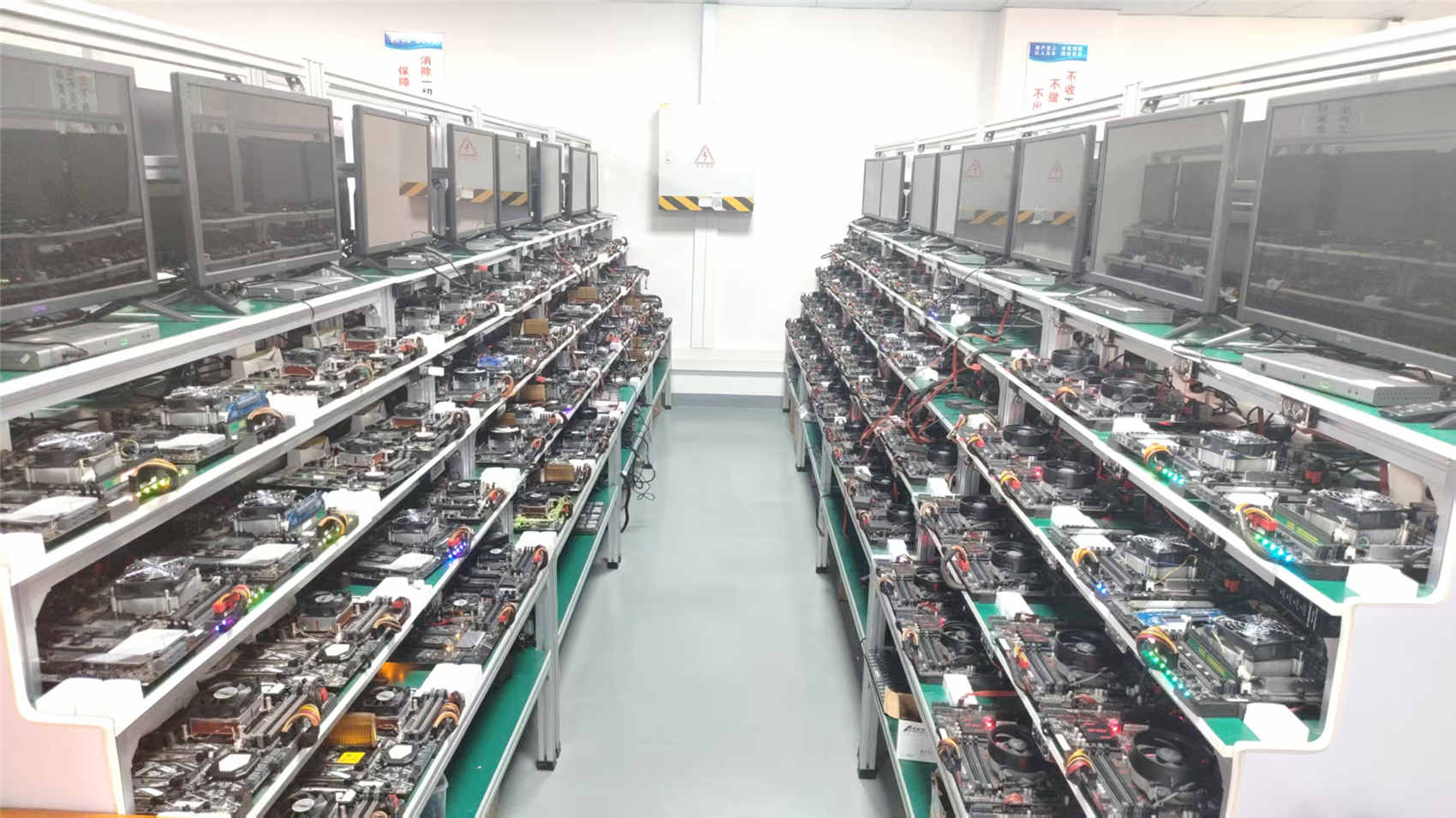
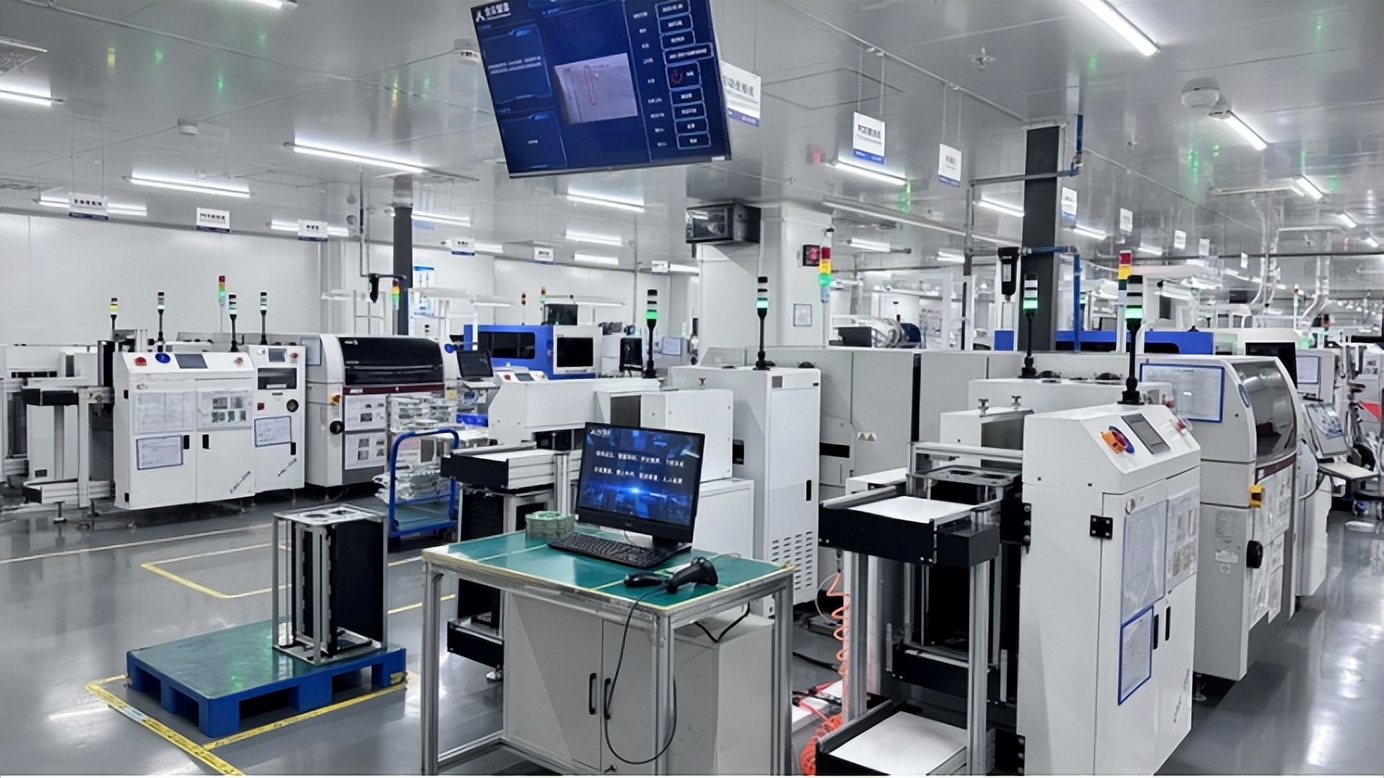
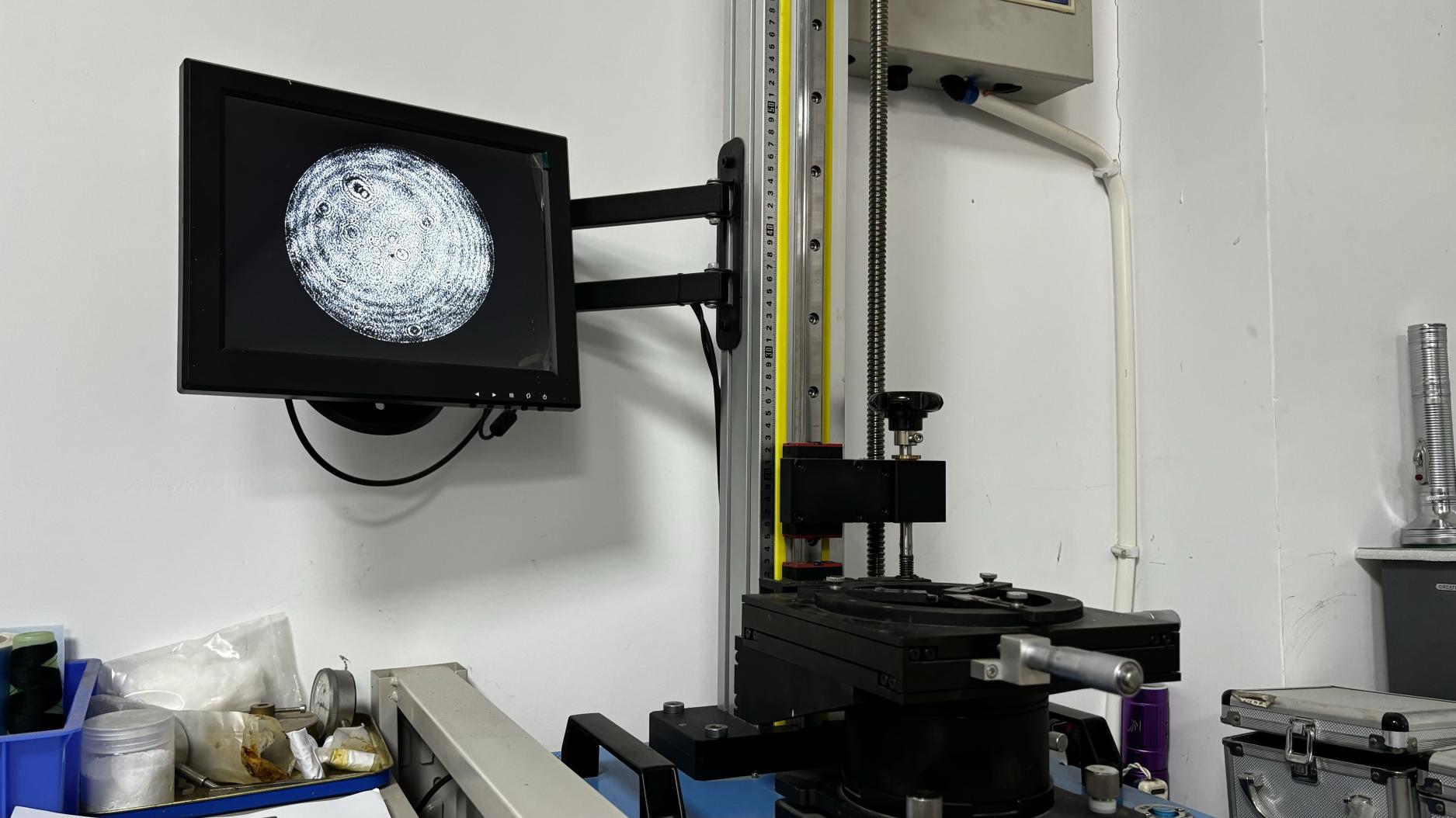
We deploy a rigorous 100% full inspection methodology across all products. Each switch and server undergoes detailed burn-in tests, thermal stress testing, and Automated Optical Inspection (AOI) to verify hardware stability before shipment. With a dedicated 45-person Quality Control team and 160 R&D engineers, we are equipped to address the specific technical requirements of enterprise-level applications.
Providing reliable networking solutions for various demanding applications across Japan's capital.
Deploying high-speed layer 3 switches with ultra-low latency profiles within the Chiyoda and Minato financial corridors to facilitate trade execution. Supports nanosecond PTP (Precision Time Protocol) clock synchronization.
Optimizing storage area networks (SAN) using high-capacity switches to link multi-rack GPU clusters. Highly compatible with custom rack chassis structures and high-performance server lines.
Assisting municipal data hubs in Shinjuku and Shibuya with network switches optimized for high thermal tolerance, supporting edge computing applications and 5G base stations.
Comprehensive systems, server components, and enterprise nodes optimized for deployment in high-availability environments.
The convergence of software-defined networking (SDN), silicon photonics, and liquid cooling architectures.
As transmission speeds scale toward 1.6T and 3.2T, transceiver power loss becomes a limiting factor in system design. The industry is moving from pluggable optical transceivers to Co-Packaged Optics (CPO). This architecture positions the optics directly on the multi-chip module substrate alongside the switch ASIC. CPO reduces transmission distance over copper from inches to millimeters, which cuts electrical signal losses by up to 50% and improves the efficiency of high-density switches deployed in major Tokyo networks.
Traditional TCP/IP stacks incur processing latency that can impact AI training performance. RoCEv2 (RDMA over Converged Ethernet) enables hardware-level direct memory access over standard Ethernet switches. Large scale enterprises are deploying RoCEv2-compatible switches featuring Congestion Notification (ECN) and Priority Flow Control (PFC). This architecture provides lossless network delivery, optimizing high-density GPU nodes for machine learning workloads.
The Tokyo Metropolitan Government enforces strict energy efficiency standards for commercial buildings and data centers. High-density networking and server racks are moving toward liquid cooling technologies. Switch and server enclosures must support hybrid liquid-to-air cooling options, allowing heat dissipation direct from the ASIC/CPU without excessive fan load. This supports PUE targets below 1.15 in modern high-density installations.
Detailed technical and logistics support for Tokyo enterprise purchasers.
Our network switches and computing servers are manufactured under strict compliance systems. We can customize products to meet target standards such as VCCI Class A/B for electromagnetic emissions in Japan, and PSE requirements for power configurations, ensuring integration into Japanese enterprise infrastructures.
Direct sourcing from our 18,600㎡ facility in China streamlines your supply chain. We provide robust OEM/ODM customization, faster turn-around on volume orders, and cost efficiencies supported by our network of over 860 partners, while maintaining quality standards with a 45-person QC team.
Yes, we design our switches to support open networking environments. Many models feature ONIE (Open Network Install Environment) loaders, allowing the deployment of custom OS options like SONiC or Cumulus Linux, which helps Tokyo cloud providers avoid vendor lock-in.
Our hardware designs incorporate smart fan arrays and optimized internal airflow patterns. For high-density systems, we support direct-to-chip liquid cooling loops and advanced thermal materials, helping to manage operating temperatures under sustained workloads.
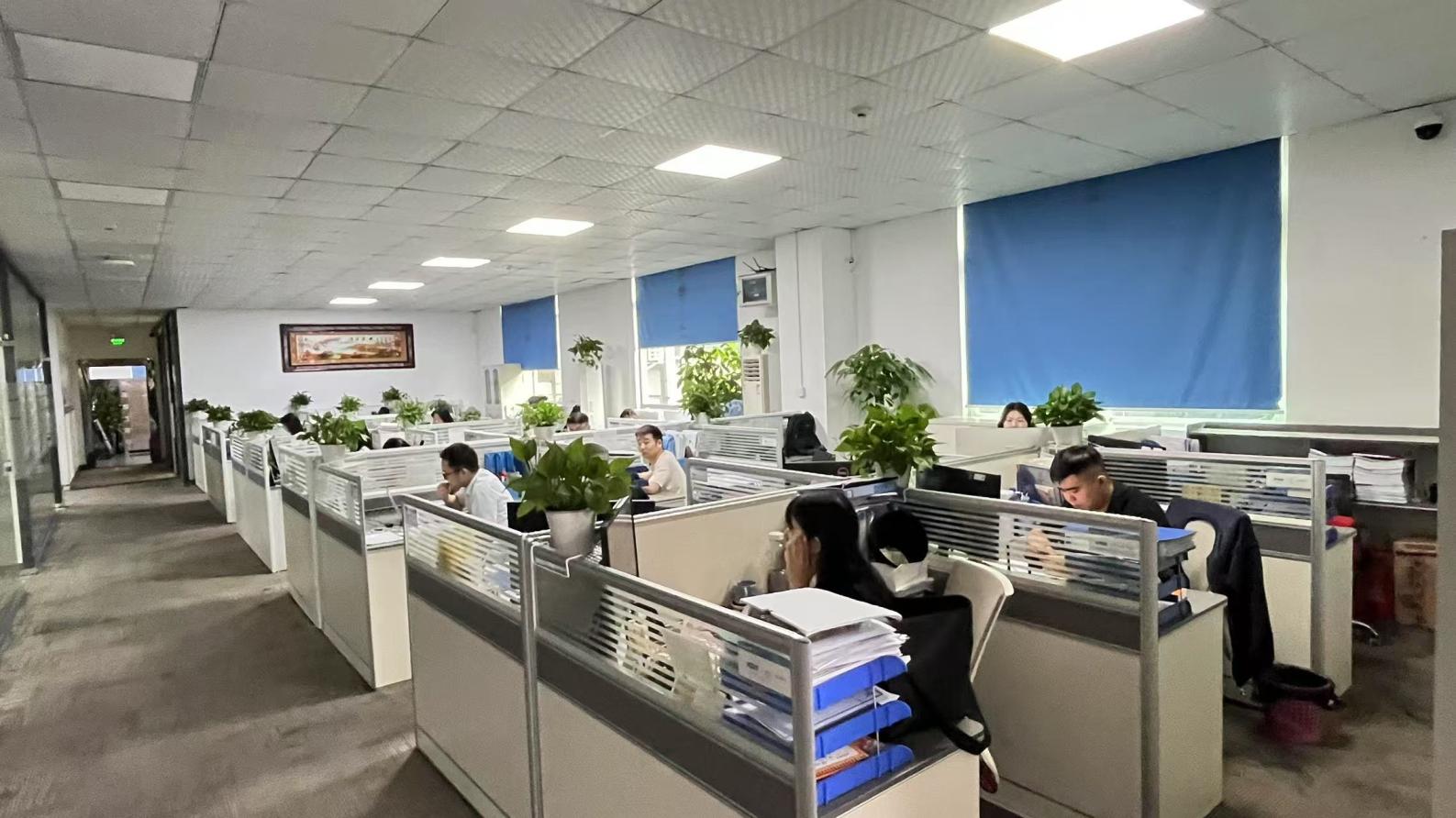
Inside Bexora AI Systems: High-precision SMT lines, assembly, and testing laboratories.


Get customized quotes, OEM engineering diagrams, and component lead times for your Tokyo-based business deployments.
Send Inquiry Now