Bexora
Bexora
Bexora
Deploy top-tier networking nodes engineered for high-altitude, low-latency, and high-throughput requirements in Santiago data centers and mining facilities.
Chile has rapidly emerged as the digital hub of the Southern Cone, propelled by its robust telecommunication policies, 5G rollouts, and a growing concentration of hyperscale data centers in the Santiago Metropolitan Region. From the sub-zero high-altitude astronomy arrays in the Atacama Desert to the heavily automated open-pit copper mines of Antofagasta, the demand for resilient network infrastructure is at an all-time high.
Deploying enterprise network switches in Chile requires a deep understanding of local environmental constraints. The geographical landscape presents unique challenges: seismic vulnerability, heavy industrial dust, and marine atmospheric salinity along its expansive coastline. Consequently, regional network architects demand hardware that satisfies both extreme-level ruggedness and the high-throughput capabilities necessary for industrial IoT (IIoT) applications.
Chile is situated along the highly active Pacific Ring of Fire. Standards such as the NCh2369 code require specific seismic design considerations for structural elements, which extend to the physical layout and structural housing of networking gear. High-density rack enclosures must be paired with switches featuring robust chassis builds, solid-state system memories, and vibration-proof optical transceiver interfaces.
Furthermore, astronomical observatories located at altitudes exceeding 3,000 meters face lower atmospheric pressure and reduced air cooling density. Under these conditions, typical thermal dissipation models fail. Active cooling systems must be over-engineered, relying on variable-speed redundant fans and industrial-grade heatsinks to prevent thermal runaway. This is where customized Chinese-manufactured hardware, tailored for thermal adaptability, offers a distinct advantage.
Deployed deep within the Andes mountains, core switches must support ultra-low latency, robust PoE+ for IP cameras/sensors, and optical interfaces with specialized strain-relief designs. Dust protection (IP ratings) and thermal tolerance are non-negotiable for remote copper extraction sites.
The northern Atacama desert hosts some of the world's most advanced astronomical arrays. These arrays generate petabytes of raw astronomical data that require immediate processing. Multi-chassis link aggregation (M-LAG) and 40G/100G uplink capabilities are crucial to direct these data streams back to metropolitan centers.
As major tech enterprises build hyperscale zones in Quilicura and Lampa, high-density server configurations demand highly efficient top-of-rack (ToR) switching solutions. High port-density, VXLAN overlay compatibility, and deep packet buffers are required to manage traffic spikes.
Modern data structures demand more than simple point-to-point packet delivery. The integration of high-performance artificial intelligence model processing, such as large-scale deep learning models, requires extreme data speeds. High-density GPU clustering needs massive parallel network structures that minimize congestion, utilizing advanced congestion control protocols like RoCEv2 (RDMA over Converged Ethernet).
Our enterprise technical roadmap for Chile highlights three critical vectors:
To support deep learning and server cluster communication in localized setups, our hardware designs incorporate advanced high-speed switching silicon. These chips allow virtualization, enabling multi-tenant isolated structures over unified physical copper and fiber systems. This design simplifies hardware setups, minimizes failure points, and reduces electricity draw—aligning directly with modern ESG mandates in Chile's mining and public utility sectors.
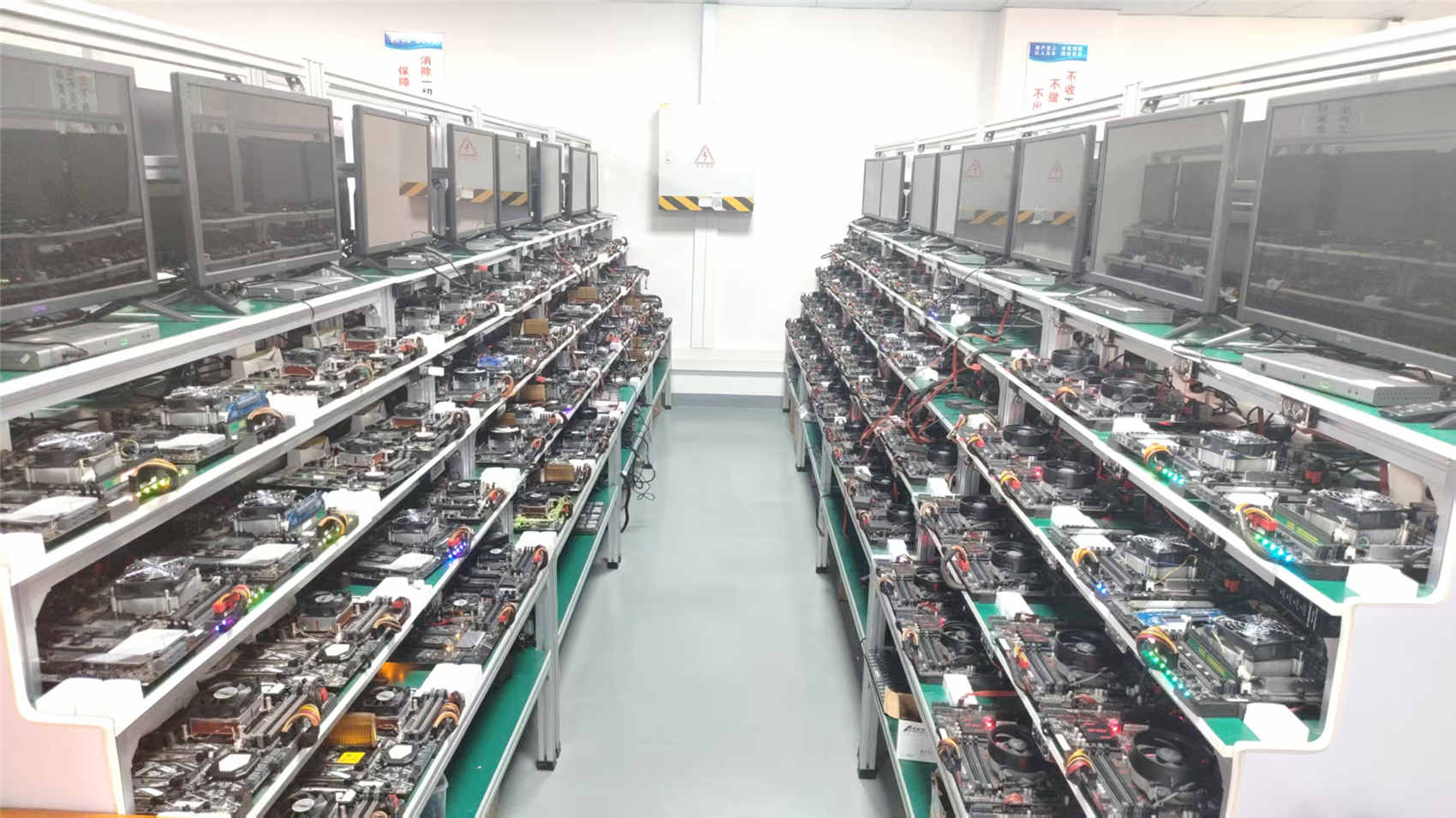
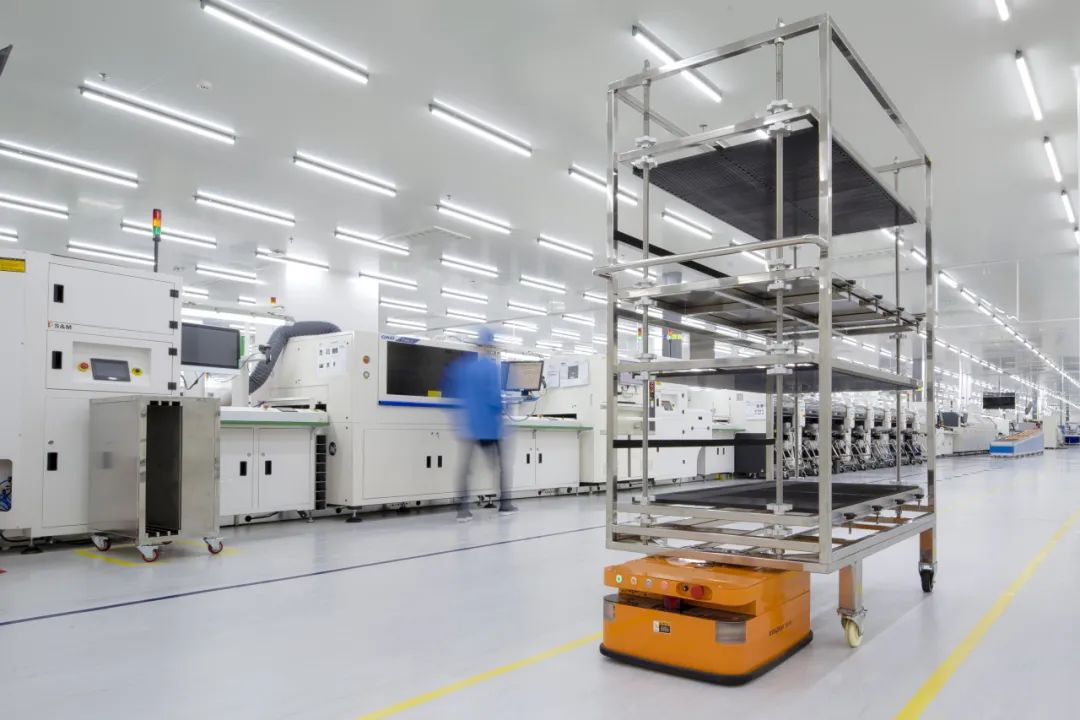
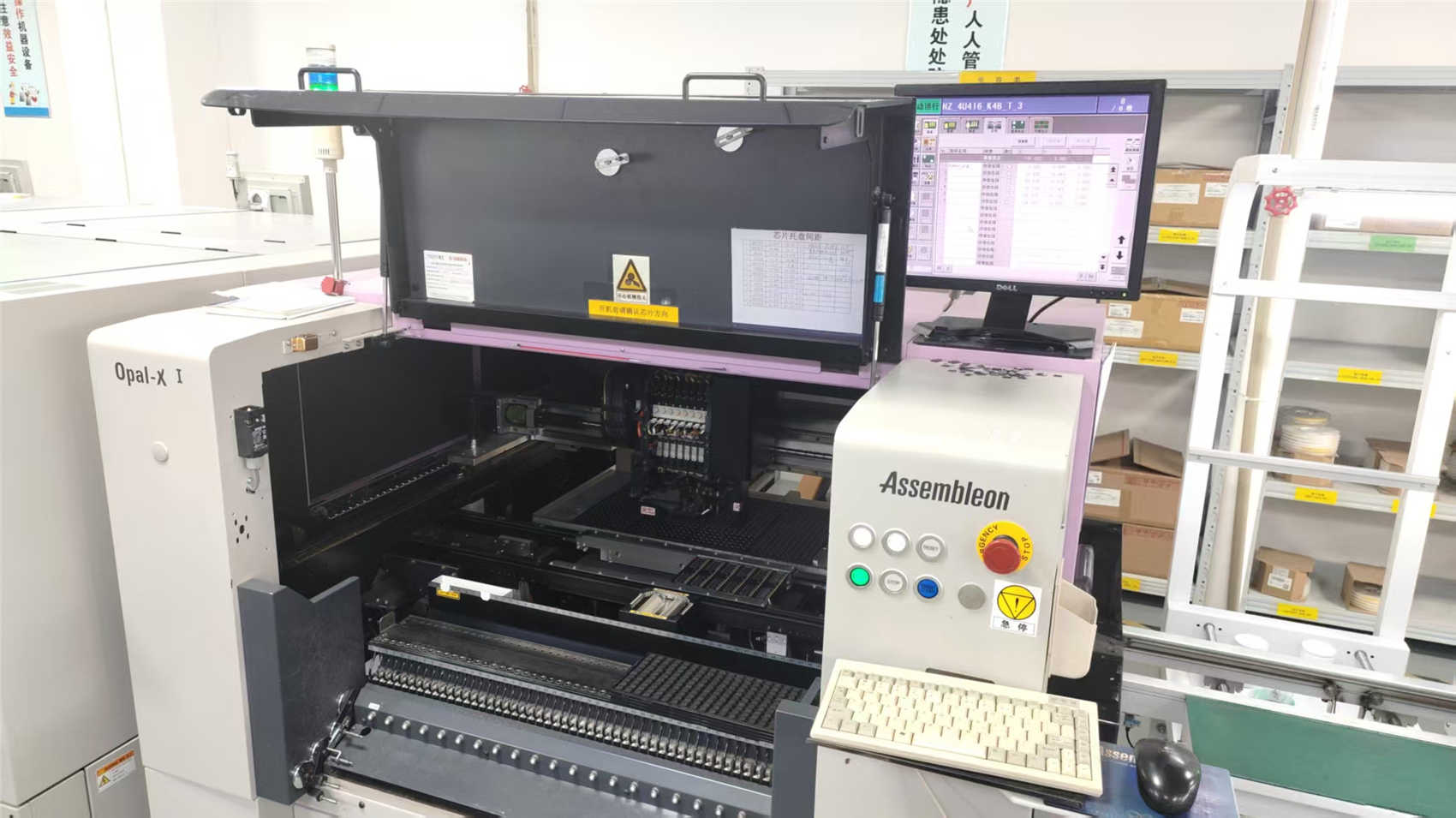
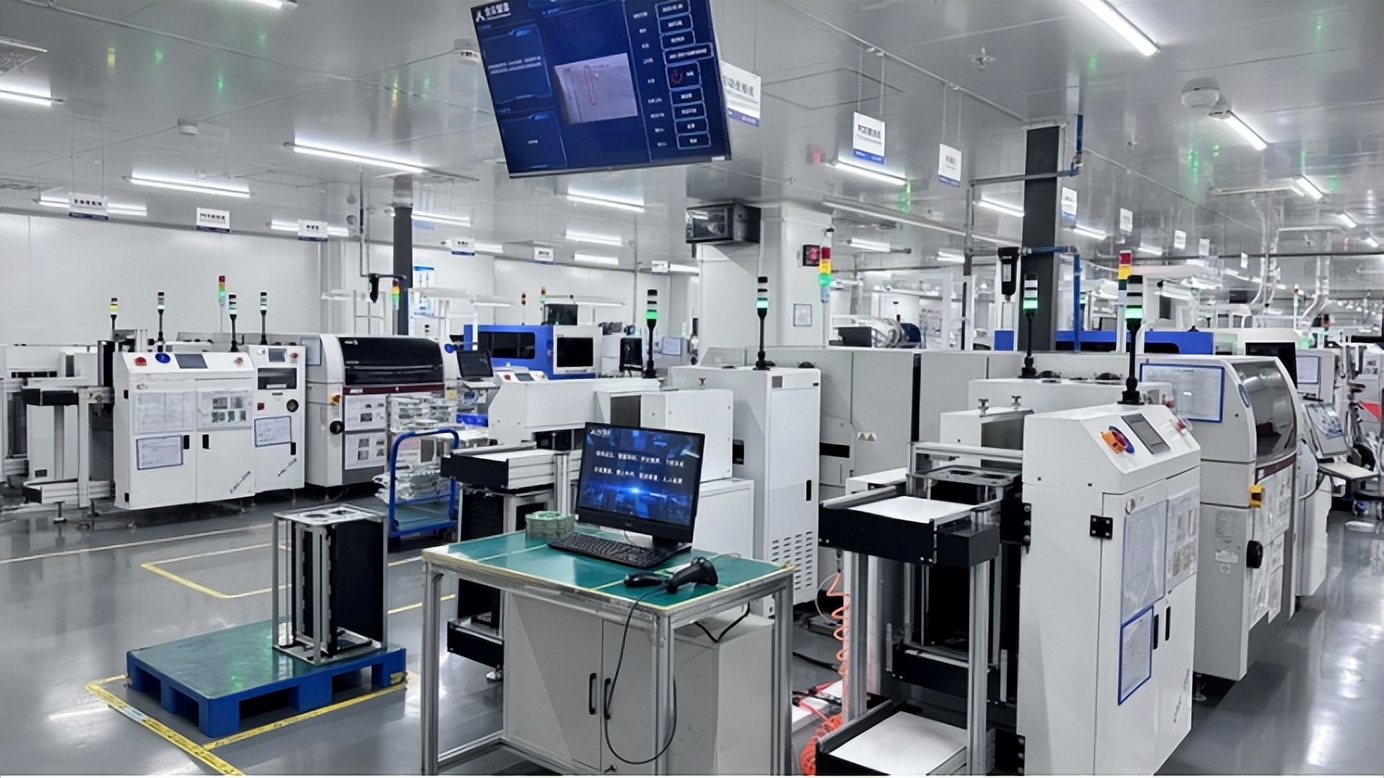
For customers in Latin America, working with a partner that has direct control over the hardware manufacturing line is a major asset. Bexora AI Systems (China) Co., Ltd. serves as a reliable global partner, delivering highly optimized, enterprise-grade AI GPU servers and high-performance computing (HPC) solutions directly from our state-of-the-art production facility.
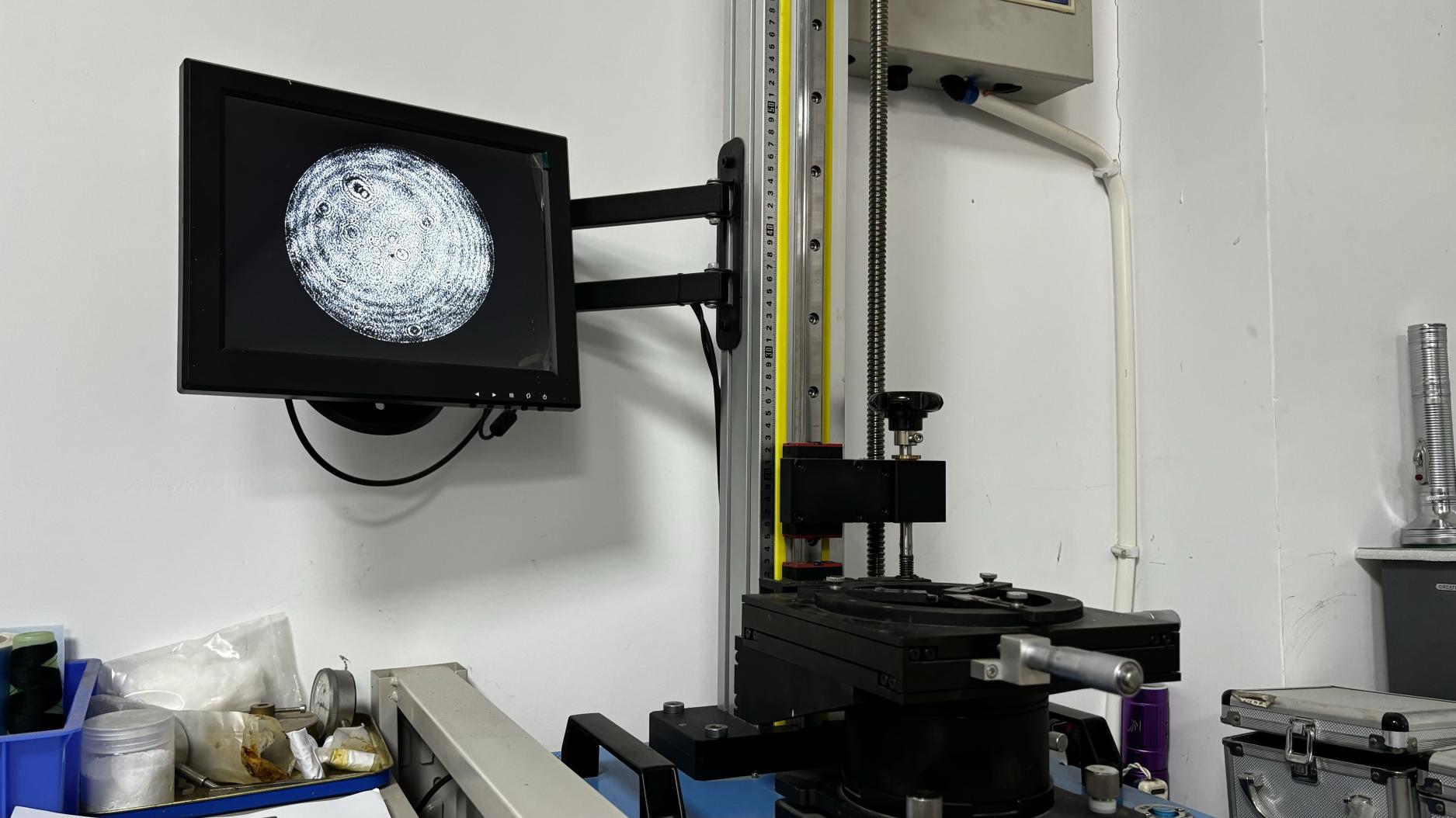
Understanding the requirements of industrial networks in Chile, our manufacturing facility relies on advanced, systematic quality control protocols. Under the direction of our 45-person QA department, every server chassis, switch motherboard, and high-speed cable goes through a thorough validation process before shipment.
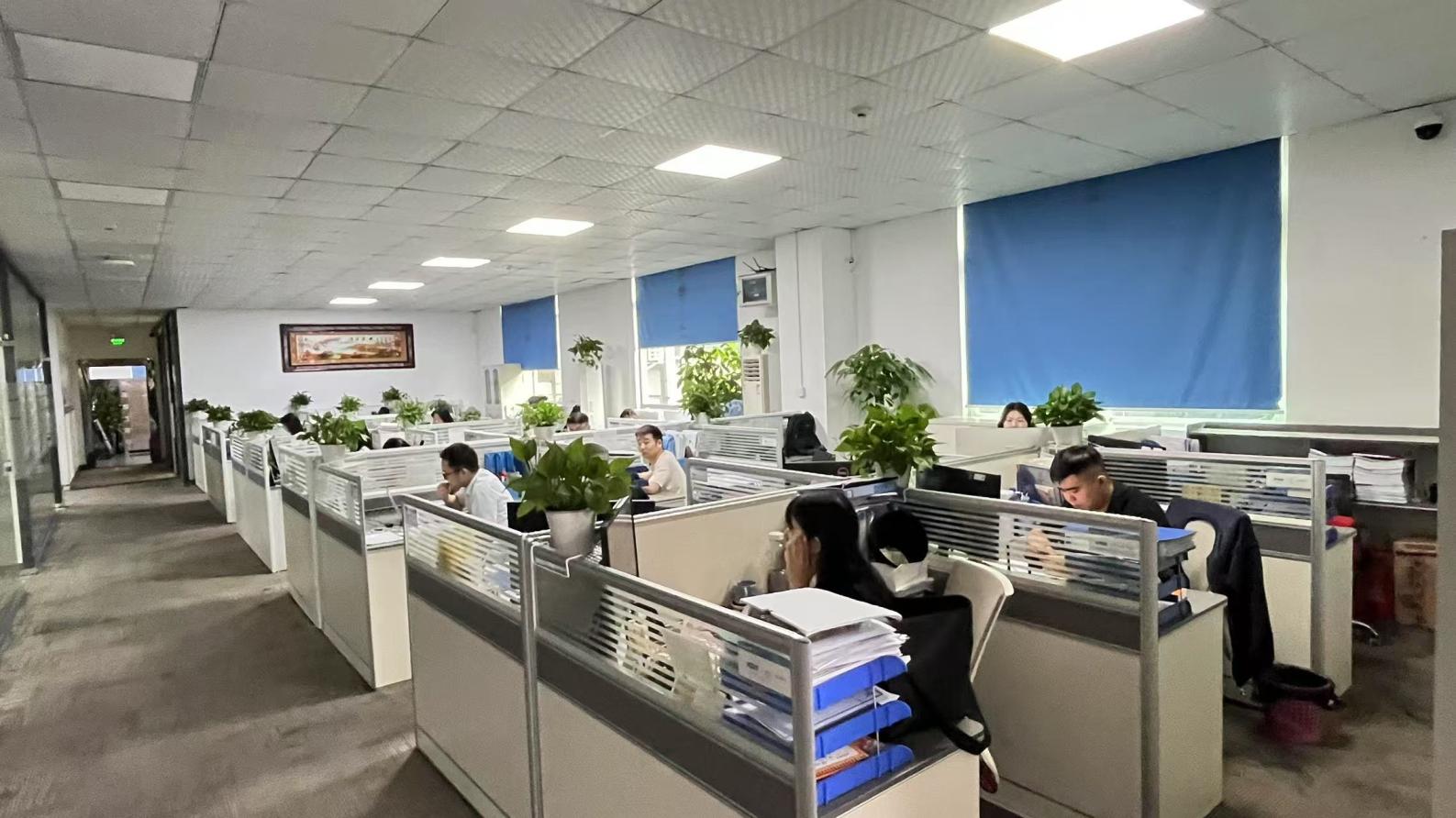
Every data center has its own unique configuration requirements. Bexora provides extensive OEM/ODM support, allowing customization of motherboard layouts, custom fan curves for high-altitude cooling, and custom rack mounting hardware. Whether you need custom bracket configurations to meet Chile's seismic mounting requirements or specific BIOS optimizations for high-density virtualization, our team of 160 engineers is equipped to deliver. Over the past year alone, we launched 120 new products and design iterations, proving our focus on keeping pace with evolving technology.


Navigating the import and deployment of high-performance networking hardware in Latin America requires a partner who understands local regulatory demands. In Chile, the Subsecretaría de Telecomunicaciones (SUBTEL) regulates all RF and telecommunication equipment. Our hardware complies with local electromagnetic standards, ensuring smooth customs processing and hassle-free regional deployment.
Furthermore, our team works closely with leading logistics partners to manage import clearances at major shipping points like Valparaíso and San Antonio, as well as air freight through Santiago Airport (SCL). We provide full documentation packages, certificates of origin, and customized HS coding to simplify tariff declarations and speed up delivery times.
Language barriers shouldn't slow down critical infrastructure deployments. Our support team coordinates with local technical representatives in Santiago to provide installation guides, API references, and configuration help in Spanish. Additionally, we support flexible service level agreements (SLAs) and keep a ready inventory of critical network interfaces, transceivers, and power units to minimize turnaround times if a replacement is needed.
Yes. All of our network switches and high-speed transmission modules intended for Chile comply with SUBTEL regulations. We provide the necessary EMI/RFI testing data to streamline approval processes for local telecom operators and enterprise networks.
Our products feature custom fan curves and upgraded heat dissipation structures optimized for lower-density air. This design ensures reliable, continuous cooling even at altitudes above 3,500 meters, protecting internal chips from thermal stress.
Air shipping for time-sensitive network upgrades typically takes 7-10 business days. For larger infrastructure rollouts, sea shipping to Valparaíso or San Antonio ports runs between 35-45 days, depending on shipping lane choices. We handle all export documentation to keep shipments moving smoothly.
Yes. Our R&D team provides extensive customization options. We can configure specialized VLAN behaviors, pre-install custom configurations, modify cooling tables, or enable particular L3 routing options to match your exact setup requirements before shipping.
Our QA team conducts 100% inspections alongside random environmental stress testing. This includes rigorous burn-in tests, vibration checks (important for seismic areas), and full system simulations to ensure hardware remains stable under constant load.
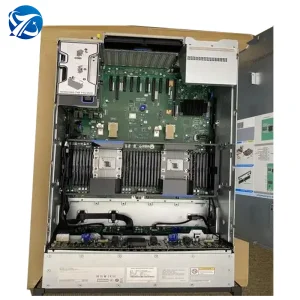
Browse our full selection of enterprise switches, computing servers, and server memory solutions engineered for modern workloads in Latin America.


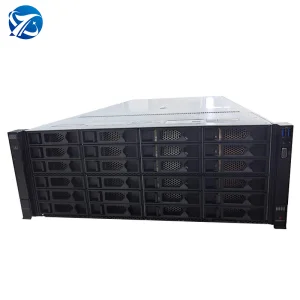
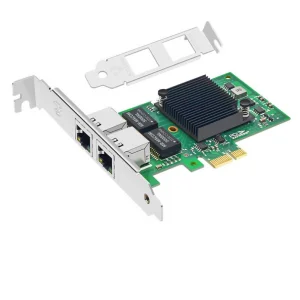

Connect with our technical design office. We provide full configurations, compliance paperwork, and direct OEM manufacturing quotes tailored to your business needs.
Request a Custom Proposal