 Bexora
Bexora
Bexora
Explore our selected top-tier core switches and AI server platforms designed for massive enterprise network infrastructure and heavy workloads.
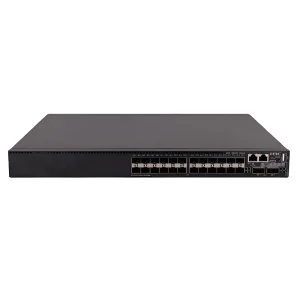
Essential core layer switch providing 10G optical downlinks and 40G uplinks, designed for San Francisco tech companies requiring high bandwidth and low-latency clustering.
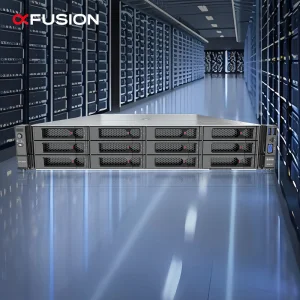
High-density 2U dual-socket enterprise rack server optimized for virtualization, local storage processing, and core corporate database management.
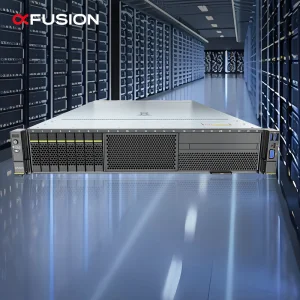
Reliable 2U dual-socket rack server ideal for hybrid cloud, remote office branches, and scaling business storage infrastructure securely.
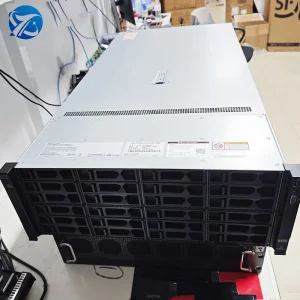
Ultimate AI server system built for deep learning models like DeepSeek. Supports 8 GPU boards with intensive multi-path system backplanes.
The San Francisco Bay Area remains the global epicenter of technology innovation. With the rise of Generative AI, Large Language Model (LLM) training hubs, and massive financial transaction processing systems, the demand for enterprise-grade Network Switches and high-performance hardware has scaled exponentially. Modern Silicon Valley businesses no longer just ask for connectivity; they demand non-blocking, line-rate throughput, ultra-low latency, and robust spine-leaf configurations.
Our local enterprise customers in SoMa, South San Francisco, and the surrounding Silicon Valley tech parks face unique challenges: high rack space costs, strict power density regulations, and the need to run multi-gigabit workloads without packet loss. To address this, organizations are shifting towards 10G/40G/100G/400G and 800G optical networking infrastructures. Our supply solutions support this transformation by providing reliable global hardware routes coupled with Chinese factory-direct pricing efficiencies.
Modern data centers in Northern California operate at the edge of power and network technology. The graphic below represents the critical bottlenecks solved by our hardware imports:
Sub-microsecond switching speeds necessary for high-frequency financial trading systems and real-time distributed database queries.
Leaf-Spine fabrics using all-optical core switches like H3C S6520X to prevent traditional STP/L2 bottlenecks.
Advanced server networks optimized for GPU clustering with reliable PCIe Gen4/Gen5 HBA interfaces.
Ensure your servers and switch fabrics have the proper bandwidth adaptors, storage configurations, and graphics processor backplanes.
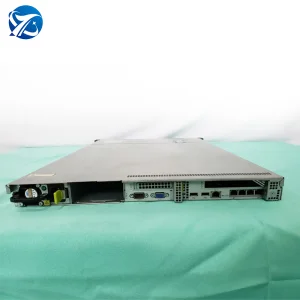
Dynamic 1U space-saving Xeon server adaptable for network attached storage (NAS) and edge virtualization projects in compact urban data rooms.
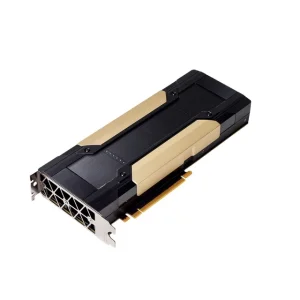
Cost-efficient graphics processing card providing 32GB of HBM2 memory, perfect for startup model inference nodes and experimental labs.
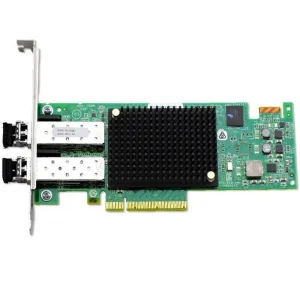
Dedicated 32Gb/s fibre-channel HBA interface card, enabling fast storage-area-network (SAN) linkups directly to storage fabrics.
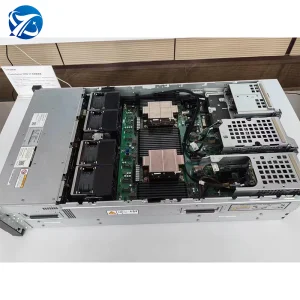
Next-generation 2U high-density AI storage and compute hybrid node. Optimized for DeepSeek and similar open-source models.
Direct partnerships with high-tier manufacturers allow overseas procurement offices to secure robust hardware pipelines without technical compromises.
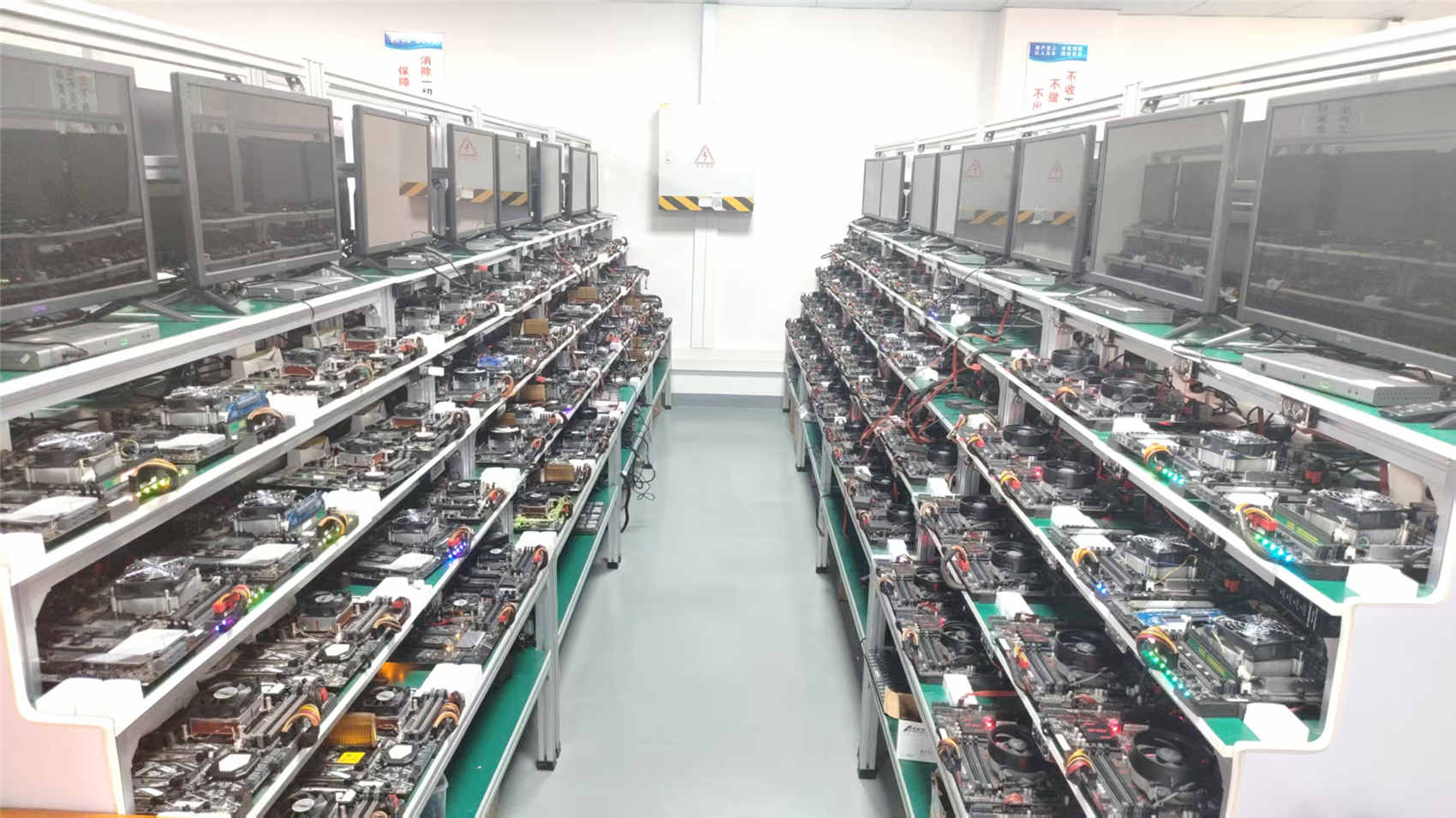
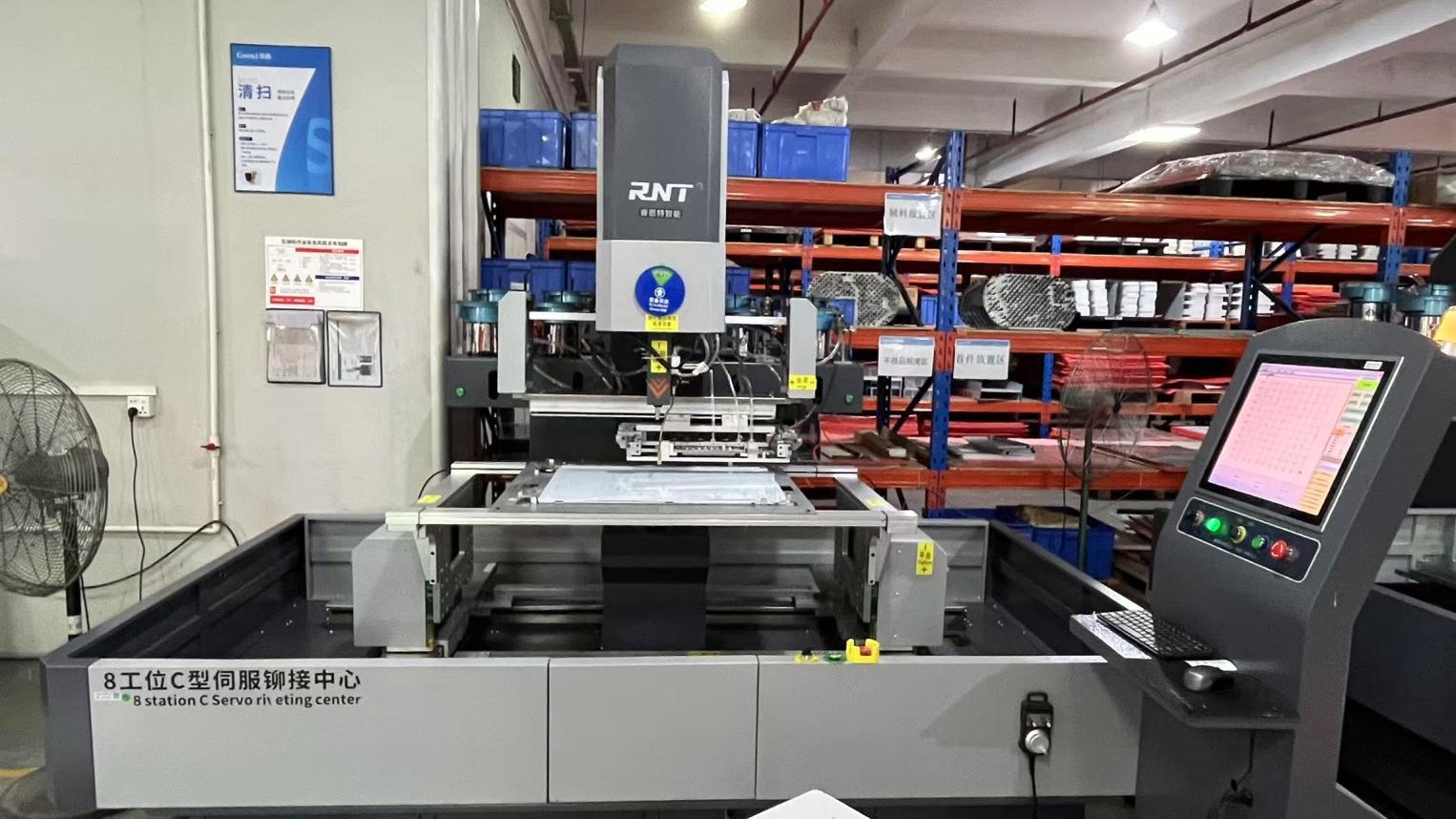
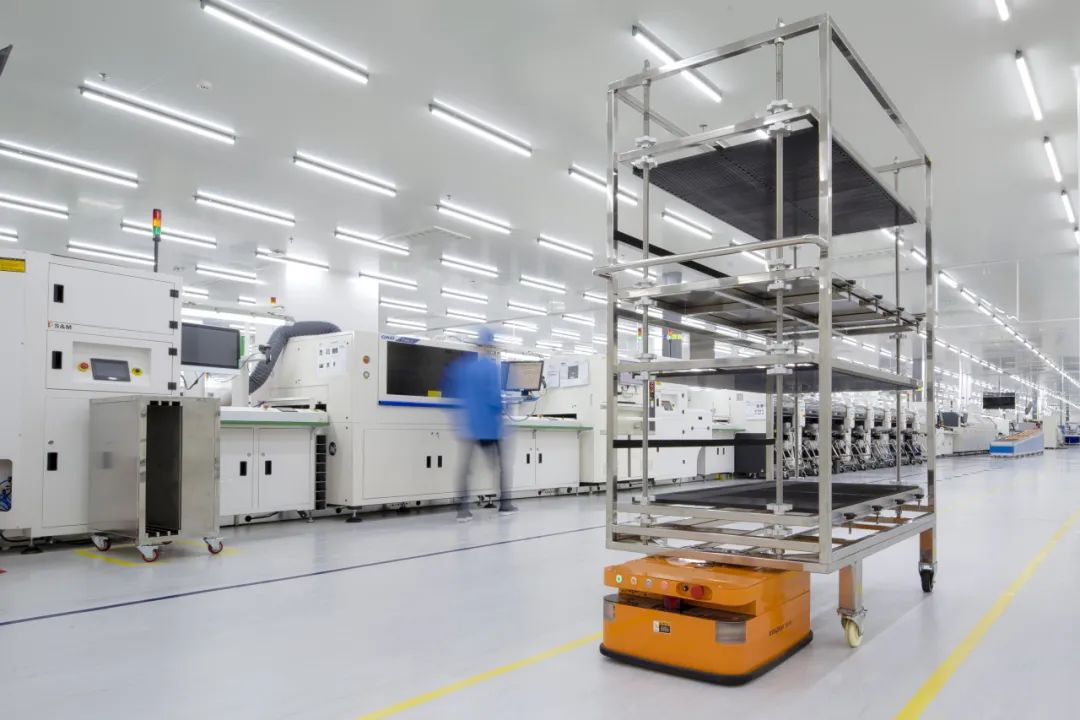

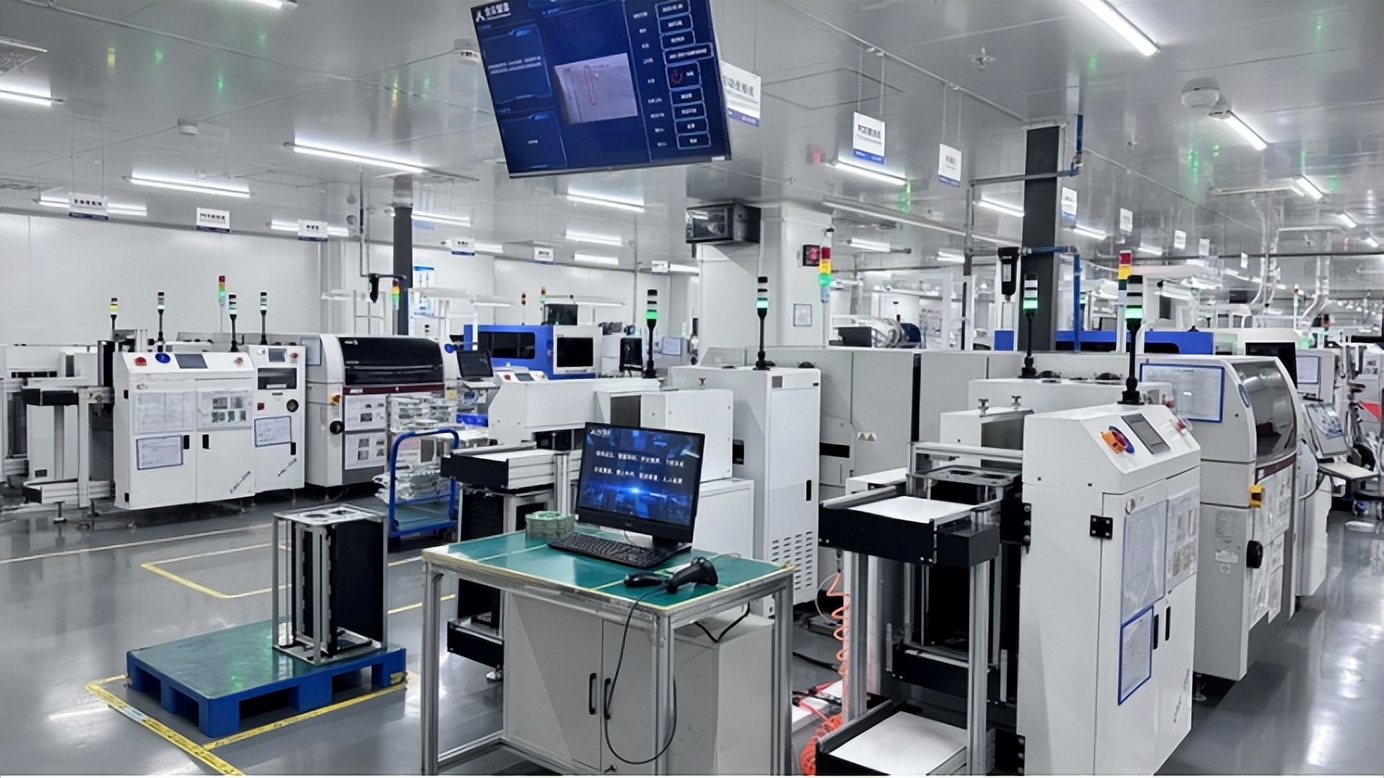
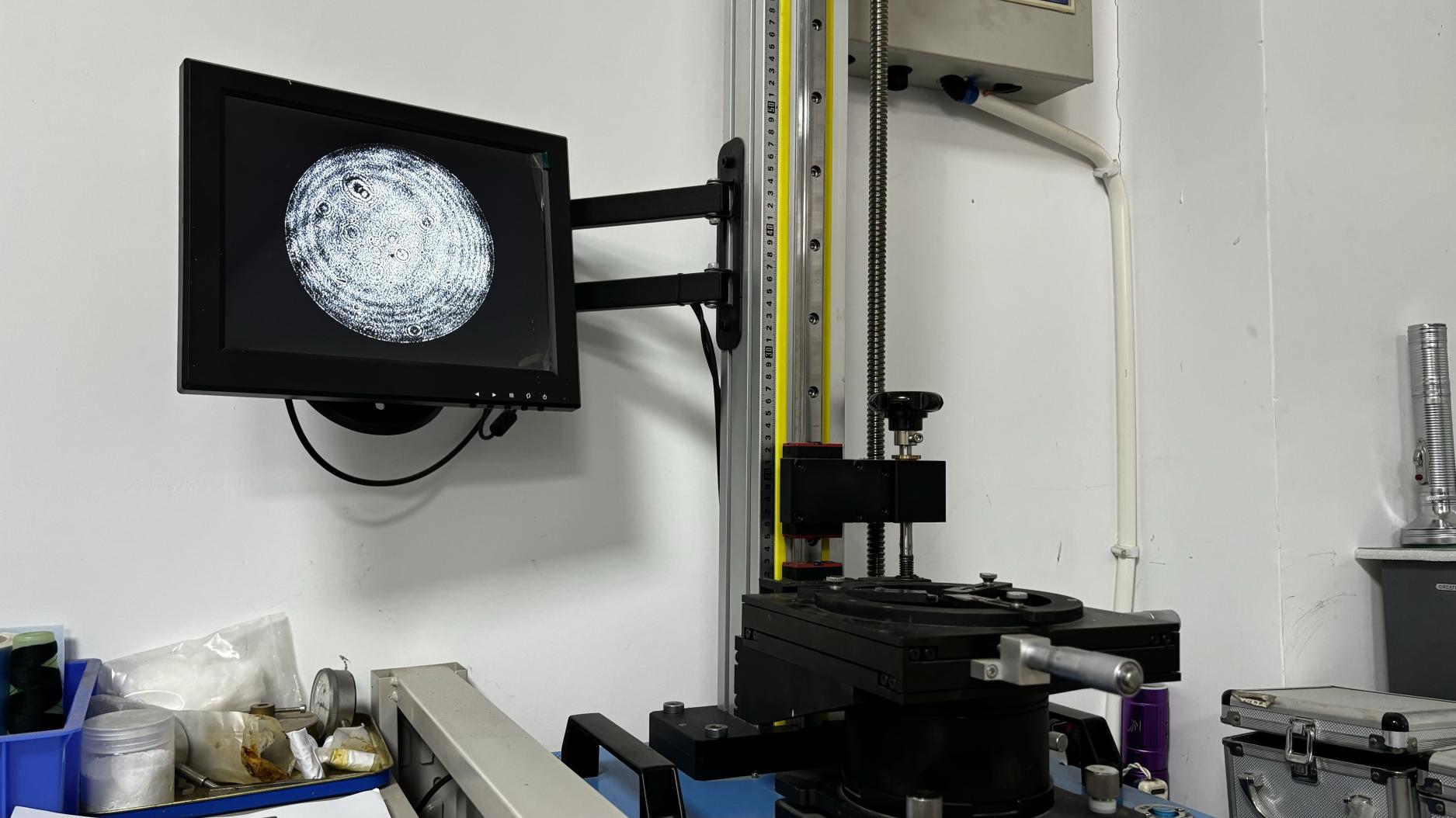
Our advanced manufacturing zones utilize Automated Optical Inspection (AOI), thermal stress testing chambers, and full structural testing units to ensure zero component failure.
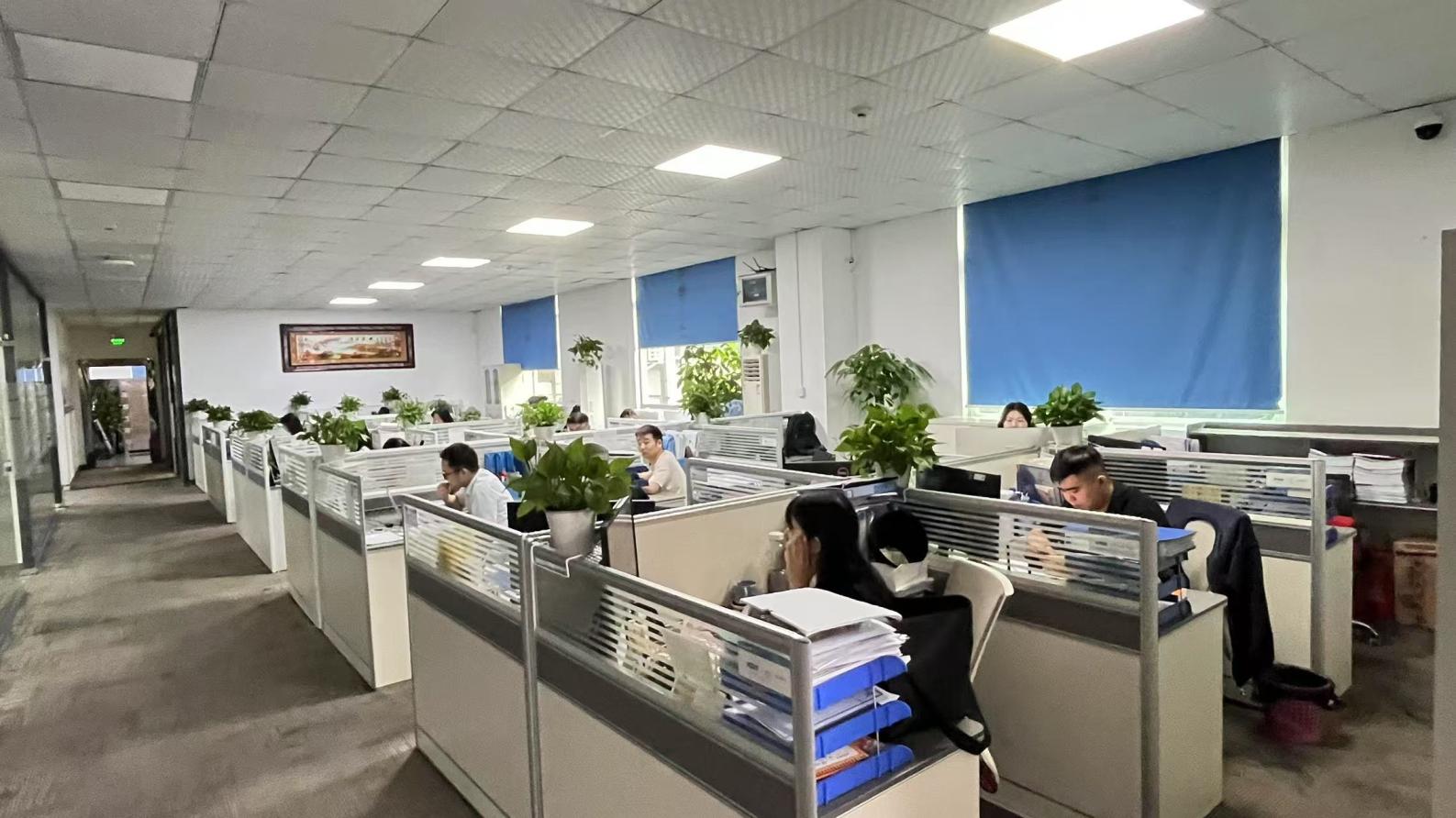
Sourcing network infrastructure directly from a specialized factory offers significant structural advantages for San Francisco and international tech organizations. Established in 2016, Bexora is an industry-leading manufacturer focused on high-performance compute fabrics and AI acceleration platforms. Operating from an 18,600㎡ facility, we optimize the complete hardware life cycle: design, fabrication, firmware validation, and shipment.
Our quality control protocols exceed standard export guidelines. With a 45-person professional QC team, we conduct 100% full inspection checks alongside random sampling reliability testing. This ensures systems remain completely stable under high-load AI training and low-latency core switching workloads.
| Benchmark Metric | Bexora Factory Specifications |
|---|---|
| Factory Building Area | 18,600 Square Meters |
| Years of Industry / Export Experience | 12 Years Industry / 7 Years Dedicated B2B Exports |
| R&D Engineering Capacity | 160 Expert Engineers / 120 Model Iterations Annually |
| Inspection Methodologies | Burn-in, Thermal Stress, AOI, AI Workload Simulations |
In modern technology hubs like San Francisco, networking setups require a cohesive integration between the central routing switches and the server racks they connect. Leaf-Spine topologies require robust, low-latency, and high-throughput connections.
By integrating high-throughput core optical switches with modern xFusion server arrays, we create high-density non-blocking network grids. These networks are fully compatible with RDMA over Converged Ethernet (RoCEv2) protocols, allowing GPUs to share memory pools with virtually zero latency.
High-density workloads generate extreme heat. Modern deployments use liquid-cooled server racks (such as HPE ProLiant Gen12 nodes) connected to reliable switches, maintaining structural stability while reducing overall data center PUE (Power Usage Effectiveness).
Integrating high-performance Emulex HBA interface cards with multi-port high-density RAID arrays guarantees swift storage read-write access speeds, ideal for large financial datasets and generative video model generation.
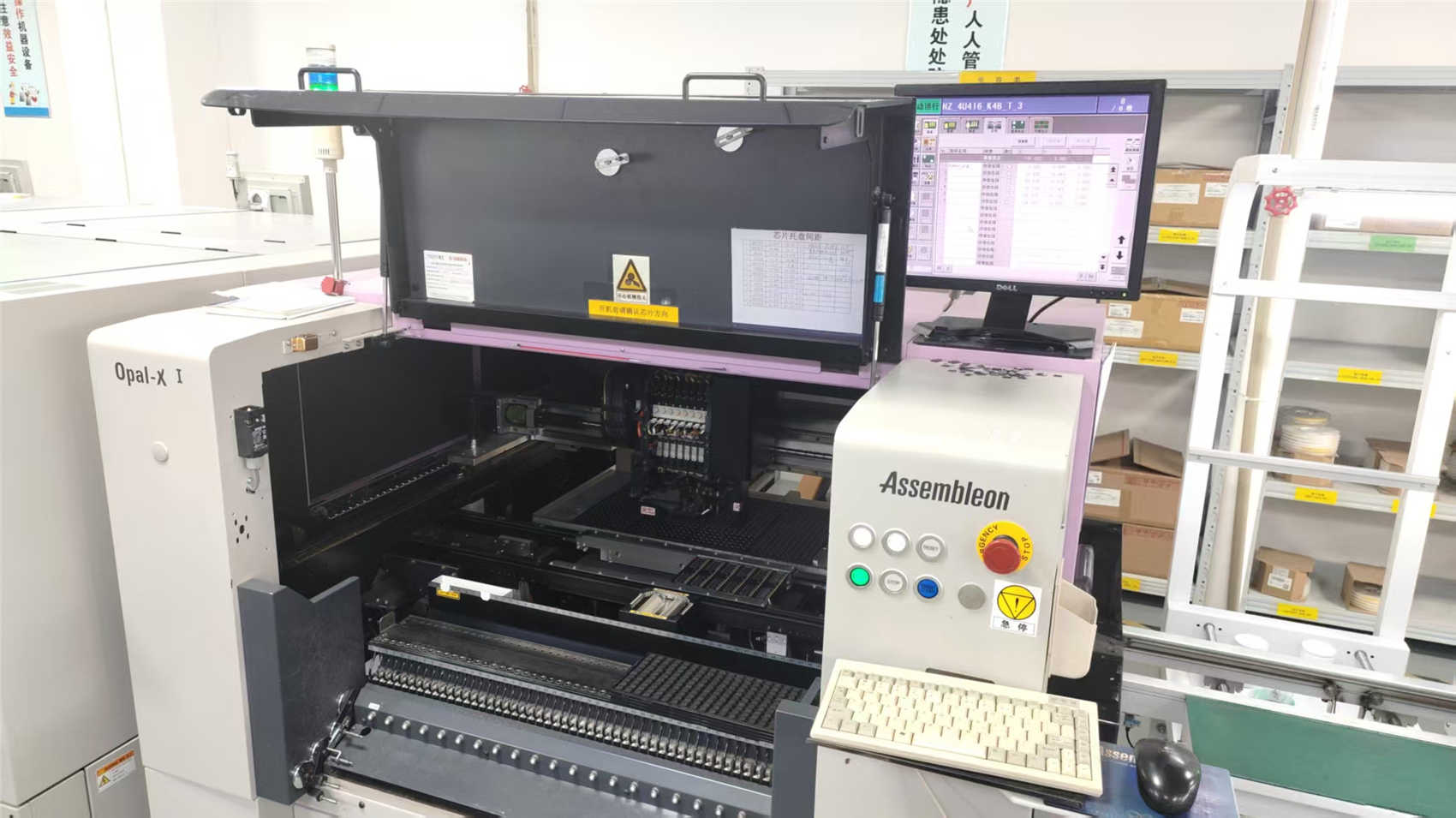
We support high-capacity OEM and ODM orders, delivering customized hardware systems tailored to the configurations required by global logistics partners.
Understanding where network engineering is headed prepares your business for future growth and keeps networks competitive.
Transitioning from traditional 10G/40G backplanes to 800G links to feed high-bandwidth GPU clusters.
Optimized switches with cut-through switching to limit delay times to sub-microsecond levels.
Transitioning to intelligent control layers that allow network administrators to program switches dynamically.
Using machine learning to continuously monitor traffic patterns, preempting network failures before they occur.
Our comprehensive inventory features high-performance 2U platforms, tri-mode RAID cards, liquid-cooled network servers, and custom system solutions.
Dedicated 2.5-inch drive storage server powered by Intel Xeon processors, ideal for processing intensive web workloads.
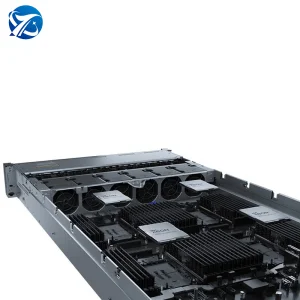
Optimized 4-socket GPU rack server designed to support large-scale deep learning training, AI inference datasets, and high-capacity storage applications.
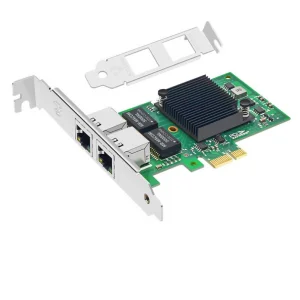
High-speed 12Gb/s SAS/SATA/NVMe tri-mode RAID adapter card. Enables fast read/write speeds for enterprise storage nodes.
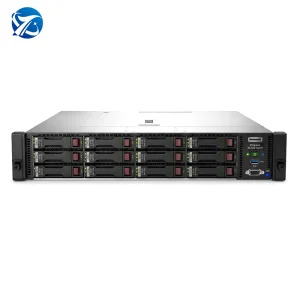
Equipped with liquid cooling integration, this 1U high-density server runs intense applications while maintaining thermal efficiency.
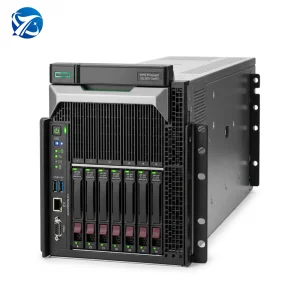
Flexible 2U rack server optimized for virtualization, private cloud setups, and core enterprise storage.
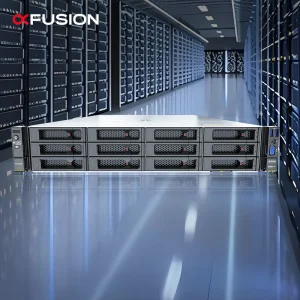
Equipped with expanded drive bays to support high-density cold and warm data storage platforms across corporate networks.
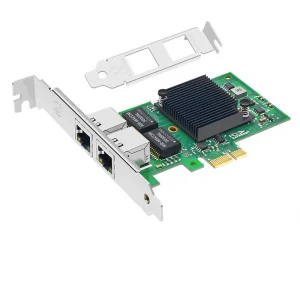
Standard internal array interface card, providing RAID 0, 1, and 10 configurations for secure internal disk array management.
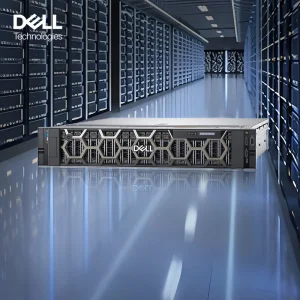
High-density 1U rackmount server offering reliable processing power in a compact footprint, ideal for space-constrained colocation facilities.
Detailed, technical answers to common queries regarding network imports, product compatibility, and high-performance server architectures.
InfiniBand requires dedicated host channel adapters (HCAs) and InfiniBand switches, creating a high-performance network fabric. RoCEv2 (RDMA over Converged Ethernet) allows RDMA data transfers over standard Ethernet networks. By using lossless Ethernet switches configured with Priority Flow Control (PFC) and Explicit Congestion Notification (ECN), organizations can deploy high-speed networks at lower infrastructure costs.
Optical switches use SFP+, SFP28, QSFP28, or OSFP ports to transmit data via fiber optic cables. Fiber optic transmissions support significantly longer distances, offer higher bandwidth capacities, and run cooler than copper cables, reducing overall power demands. They are also immune to electromagnetic interference (EMI), which is critical in high-density rack deployments.
Standard hardware configurations ship within 7 to 15 business days. Custom ODM requests—including specialized hardware layouts, custom-flashed firmware, and custom rails—typically ship within 3 to 5 weeks, depending on component availability and test durations.
Every hardware unit undergoes a 100% full inspection process overseen by our 45-person QC team. This includes automated optical inspections (AOI), thermal stress testing in heat chambers, system-level burn-in, and simulated heavy workloads. Devices are also pre-flashed with the latest validated firmware before shipment.
Yes, H3C switches run standard routing protocols like OSPF, BGP, LACP, and STP/RSTP, ensuring compatibility with Cisco, Arista, and other enterprise networking hardware. For SFP+ and QSFP transceivers, we supply globally compatible coding options to prevent lock-in errors.
Yes, through our OEM/ODM services, customers can customize chassis designs, power supply units (such as 900W, 1200W, or 2000W redundant PSUs), memory channels, storage backplanes (SAS/SATA/NVMe), and PCIe slot options.
1U servers maximize computing density per rack unit, making them ideal for web hosting, load balancing, and firewall applications. 2U servers (like the DL380 or FusionServer 2288H) offer more physical space for extra storage drives, PCIe expansion cards, and larger cooling fans.
Our specialized GPU servers (such as the FusionServer G8600 V7) are designed with high-power power supplies, optimized cooling systems, and PCIe Gen5 interfaces. These systems provide the high bandwidth and low-latency interconnects needed for training and running large language models (LLMs).
We support multiple shipping terms, including FOB, CIF, and DDP. We work closely with experienced customs brokers to ensure all imports comply with FCC regulations and local entry requirements.
You can request a custom quote by clicking our inquiry button. A dedicated hardware engineer will follow up within 12 hours to discuss your project requirements and provide a detailed price breakdown.
Whether you are upgrading an enterprise core network in downtown San Francisco, building out AI training clusters in Silicon Valley, or sourcing high-density hardware for global export, our engineering team is here to support your project.