Bexora
Bexora
Bexora
High-performance DDR4 ECC RDIMMs, enterprise storage arrays, and network cards tailored for the computational demands of emerging markets like Malakal.
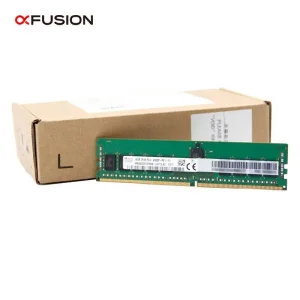
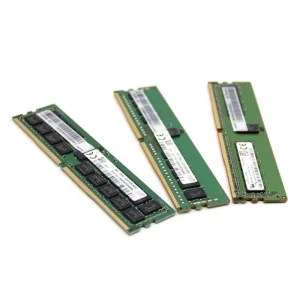
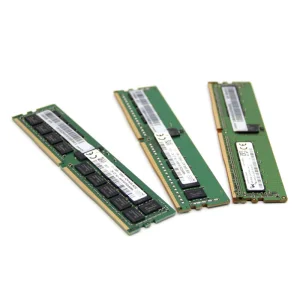
As South Sudan and the Upper Nile state accelerate their modernization paths, the administrative and commercial hub of Malakal is transforming into a critical digital node. Reliable connectivity, humanitarian organization operations, regional banking portals, and local public services demand absolute operational stability. At the core of this transformation are local server networks, edge computing nodes, and municipal data configurations.
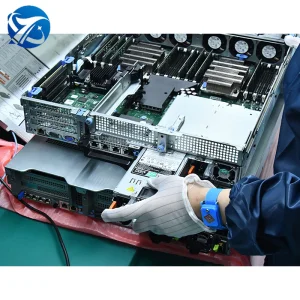
To maintain uptime in challenging environmental conditions characterized by elevated dust, power grid irregularities, and extreme ambient temperatures, enterprise infrastructure requires high-reliability Server RAM designed with active Error-Correcting Code (ECC) engineering. Bexora AI Systems (China) Co., Ltd., a professional server hardware and high-performance computing components manufacturer, delivers top-tier, rigorously tested RDIMM memory architectures and infrastructure equipment to the Malakal region, bridging Chinese supply chain efficiencies with localized operational resilience.
Unlike established cloud hubs in major metropolitan areas globally, the computational environment in Malakal operates under unique constraints and high stakes. The regional capital requires locally managed server architectures to run municipal databases, health management platforms, and international NGO communications clusters.
Malakal's typical daytime temperatures frequently exceed 38°C (100°F). Without high-grade server components, memory modules suffer accelerated electron leakage, resulting in data loss. Our ECC modules feature dynamic thermal sensor integration (TSOD) to ensure safe operational thermal thresholds.
Major aid distribution hubs and cellular operators in Upper Nile rely on local servers to coordinate logistics and distribute relief resources. Memory failure in these systems can lead to critical communication drops, highlighting the need for redundant multi-rank memory profiles.
Generators and microgrids power local operations. These power cycles generate transient voltage spikes. Bexora’s registered memory operates reliably at low 1.2V and incorporates robust Power Management IC (PMIC) equivalent protections, avoiding logic malfunctions.
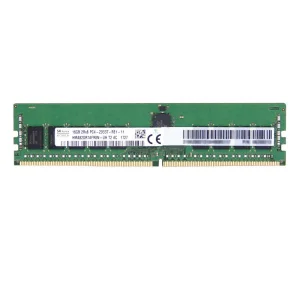
Modern server memory engineering relies on precision timing, electrical optimization, and physical board design. Bexora's DDR4 RDIMM designs are engineered around three core parameters: reliability, latency, and throughput.
At high altitudes or in systems exposed to minor electrical fluctuations, cosmic rays or electromagnetic noise can trigger a "single-event upset" (SEU), causing a bit flip (from 0 to 1 or vice versa) in memory registers. In standard consumer RAM, this results in a system crash (Blue Screen of Death). Our DDR4 ECC RDIMM features an extra DRAM chip dedicated to running Hamming code algorithms. It detects and corrects single-bit errors in real-time, preventing unexpected system downtime and data corruption.
For servers supporting extensive database indexing, UDIMMs put heavy electrical loading on the memory controller. By integrating a Register Clock Driver (RCD), Bexora's RDIMM buffers control signals and addresses, reducing the electrical load on the system bus. This allows servers to scale up to maximum memory capacities without compromising signal integrity.
Operating at 3200MHz (3200000KHz) with a sub-nanosecond column access time (tAA) of 0.625ns, these modules maximize data throughput. Running on a low-voltage 1.2V profile, they generate significantly less heat compared to older DDR3 designs, making them ideal for warm climates.
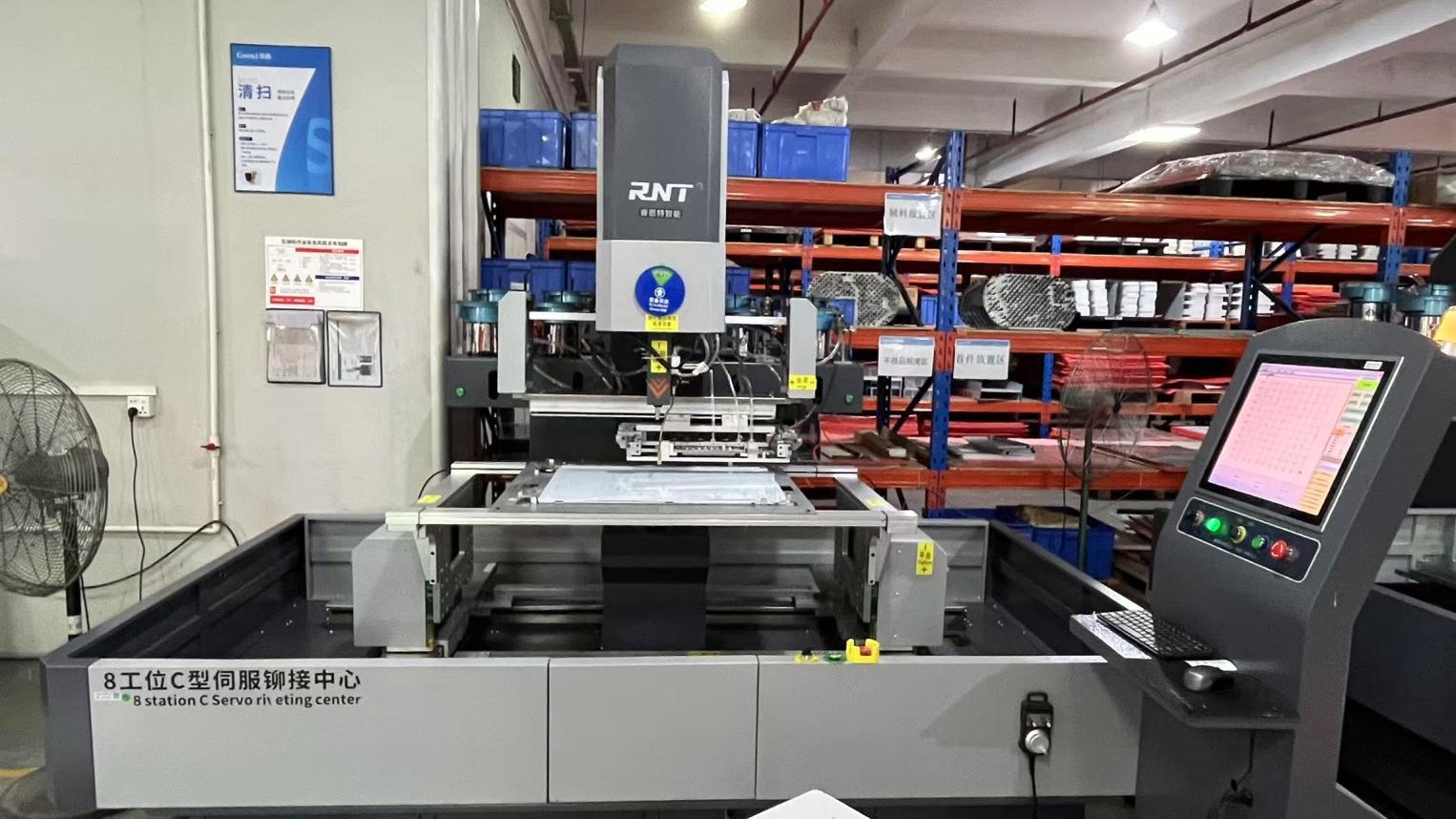
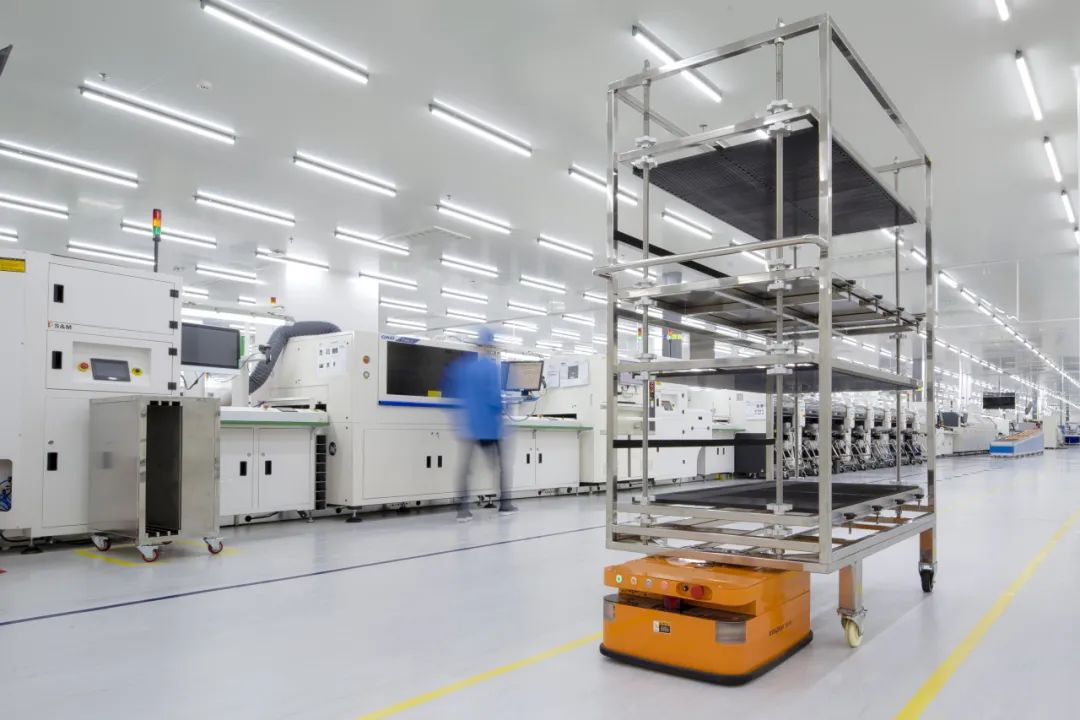
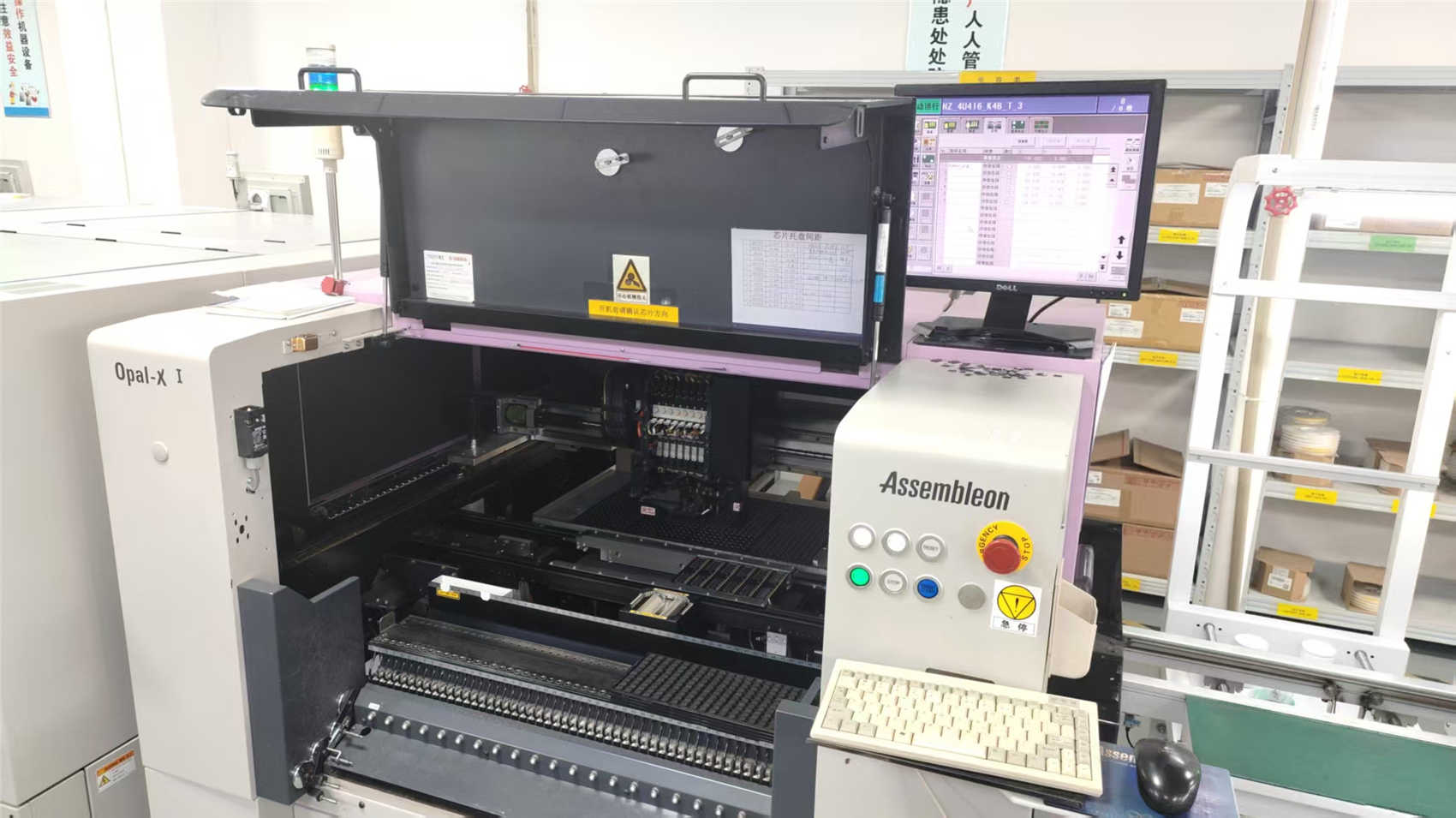
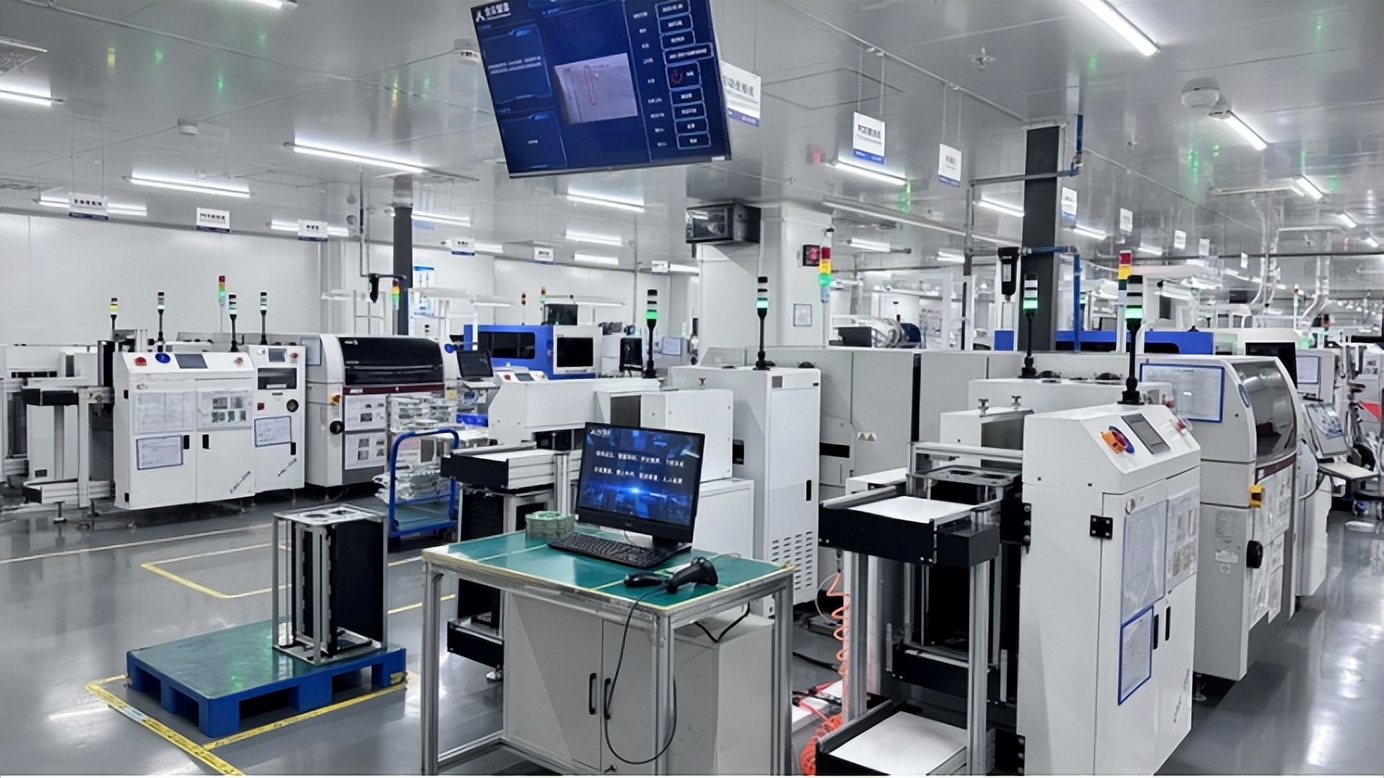
Bexora AI Systems’ production facility spans 18,600 square meters in China’s high-tech manufacturing corridors. We leverage a robust industrial supply ecosystem of over 860 partners, ensuring secure access to premium raw materials and components, such as high-purity PCB backplanes and DRAM dies sourced from major global fabs.
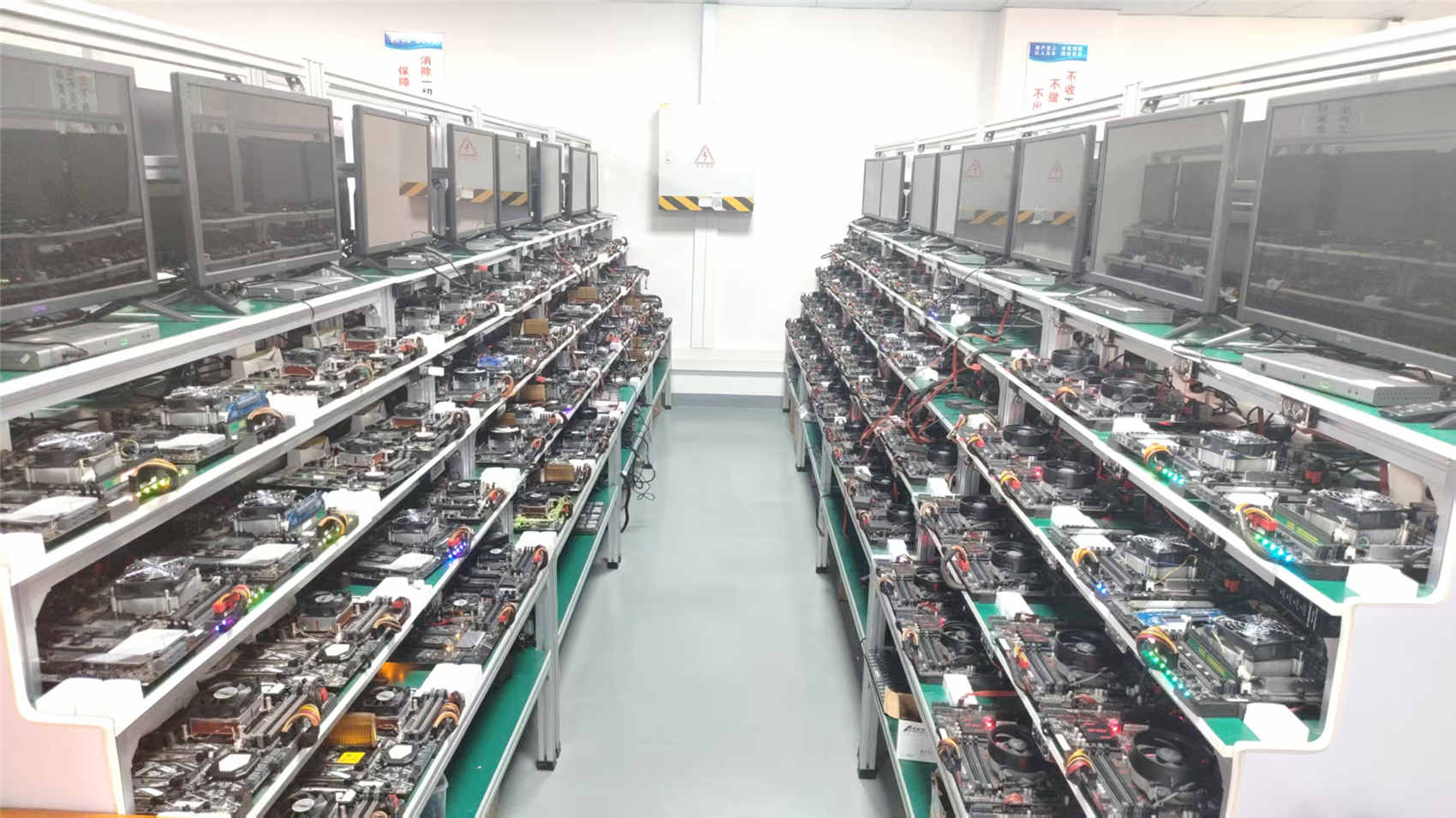
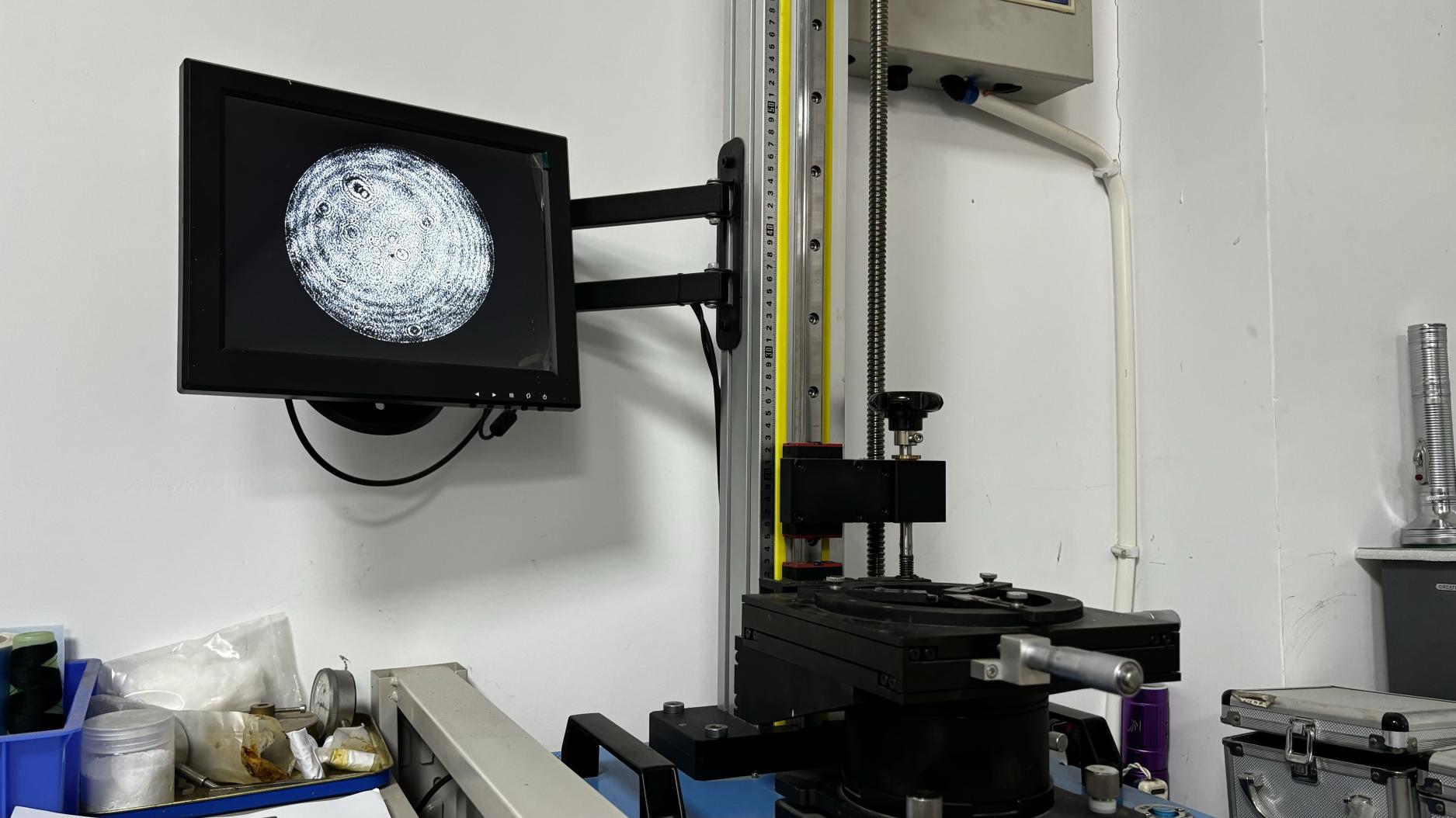
Our quality testing protocol involves a 100% full inspection cycle combined with advanced hardware stress analysis:

| Parameter | Specification details | Malakal Environmental Target |
|---|---|---|
| Memory Standard | DDR4 Registered ECC (RDIMM) | Compatible with local legacy systems and modern networks |
| Frequency Range | 2400MHz / 2933MHz / 3200MHz | Optimal bandwidth under high temperature variables |
| Voltage | 1.2V Low Power Consuming Profile | Minimizes local battery grid load and thermal output |
| Latency Timing | 0.625ns access speed (tAA) | High response performance for telecom switches |
| Capacity Configuration | 8GB / 16GB / 32GB / 64GB / 128GB | Scalable modular upgrades matching data growth |
Exporting high-technology equipment to East Africa requires complex logistical coordination and adherence to international trade guidelines. Bexora operates a dedicated logistics department experienced in handling custom declarations, cargo security compliance, and transit routing to South Sudan.
Our logistics pathway features multi-modal shipping options. Cargo is typically dispatched from Shenzhen/Guangzhou ports to regional maritime entries like Mombasa (Kenya) or Port Sudan, followed by secure overland transit to Juba and Malakal. We assist local organizations with standard customs clearing documentation, certificate of origin paperwork, and import tax categorization to minimize processing delays.
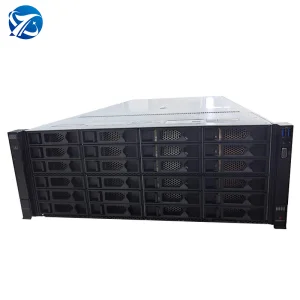
Explore our full line of enterprise storage, AI GPU computing platforms, high-speed RAID controllers, and network interface adapters.

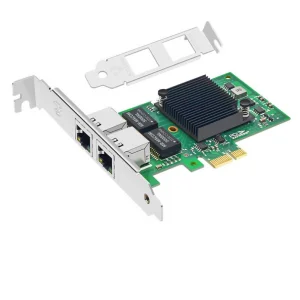

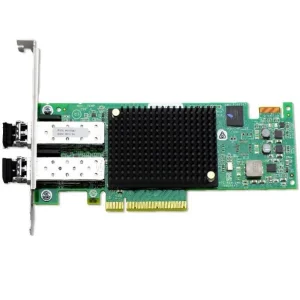



Technical insights, import logistics guidelines, and compatibility profiles explained by our engineering department.