Bexora
Bexora
Bexora
Immediately available enterprise solutions deployed in Australia for localized compute clusters, AI development, and scalable cloud networks.

Examining the infrastructure expansion, regulatory changes, and environmental constraints shaping computing options down under.
Australia is witnessing an unprecedented transition in its computational infrastructure. Driven by the mandates of the Australian Privacy Principles (APP) and the absolute requirement for domestic processing of critical government, security, and healthcare datasets, local enterprise organizations are moving away from centralized offshore clouds toward hybrid setups. Sovereign data environments located in centers such as Canberra, Sydney, and Melbourne require hardware configurations that maintain physical separation, localized redundancy, and reliable thermal profiles.
In industrial regions like Western Australia and Queensland, mining and heavy extraction operations deploy localized GPU nodes on-site. Real-time telemetry, seismic mapping, and automated haulage execution demand sub-millisecond local compute capacity. Under these environments, hardware stability is critical. Dust, extreme atmospheric temperatures, and remote power grids mean that servers must utilize rugged chassis, high-MTBF power units, and intelligent out-of-band management platforms.
With data center cooling power accounting for up to 40% of operational overheads, local facilities face significant pressure to lower their Power Usage Effectiveness (PUE) scores. The integration of high-TDP (Thermal Design Power) accelerators, such as multi-GPU rigs, requires highly optimized thermal conduction pathways. Servers designed with dual-path heatsinks, counter-rotating fan walls, and fluid dynamic layouts are essential to survive sustained operational peaks without experiencing thermal throttling.
The progression of enterprise hardware from V5 architecture to V6 and V7 highlights a dramatic leap in bandwidth, storage efficiency, and deep learning compute capability. PCIe Gen4 and Gen5 interfaces, coupled with next-generation DDR5 memory technology, provide the required data pipelines for massive models (such as deep learning networks, large language models, and DeepSeek environments).
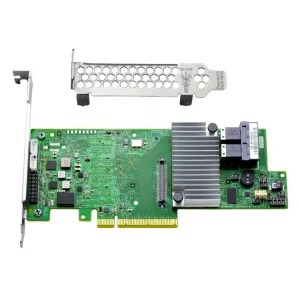
By eliminating operational bottlenecks at the system bus level, modern V5/V6 servers operate as high-density micro-datacenters. Integrating enterprise RAID controllers, high-speed SFP28/SFP56 network interface cards, and NVMe-over-Fabrics protocols ensures that computational cores are continually supplied with clean data pipelines, maximizing capital expenditure returns.
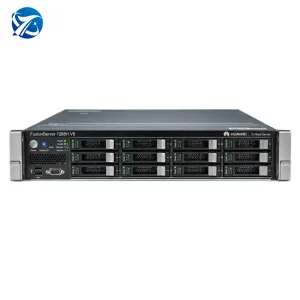
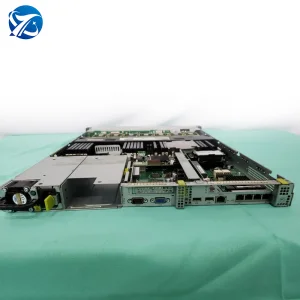
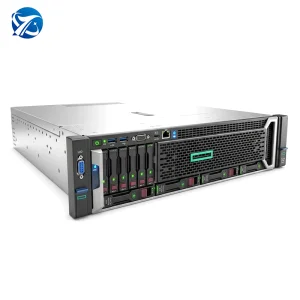
V5 and V6 multi-socket configurations handle virtualization instances, software-defined storage, and containerized AI orchestration within a compact footprint.
Specialized engineering including variable air-cooling channels, low-vibration structural designs, and sensor-driven power allocation algorithms.
How our advanced manufacturing lines in China deliver high-density computing systems with global reliability and precise quality assurance.
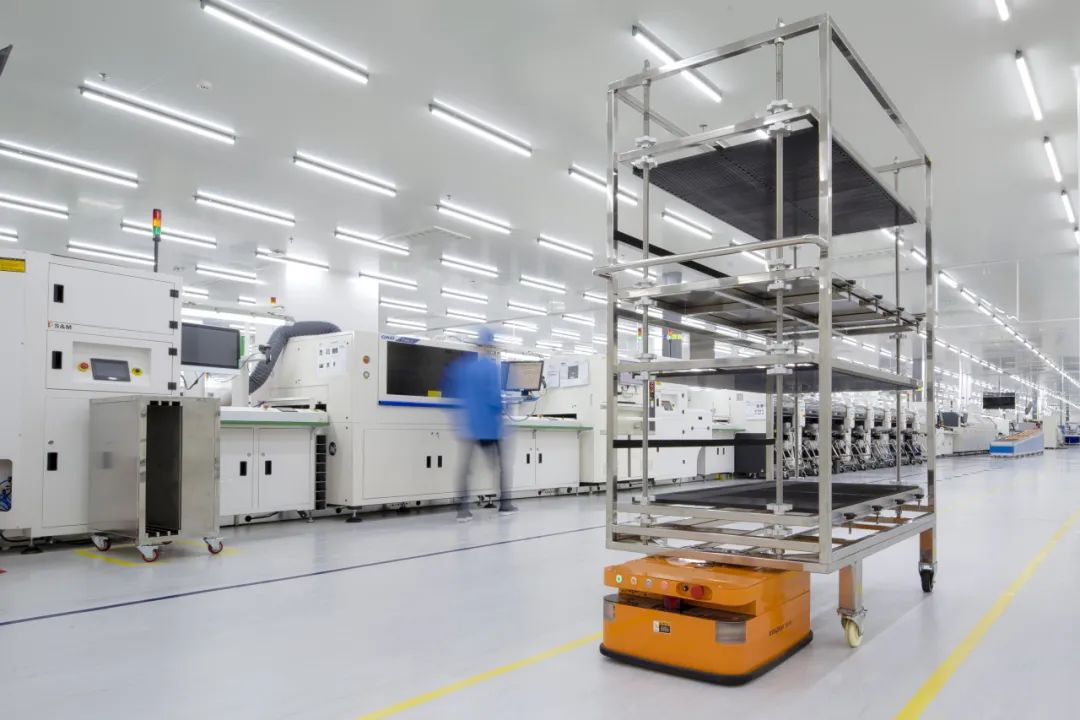
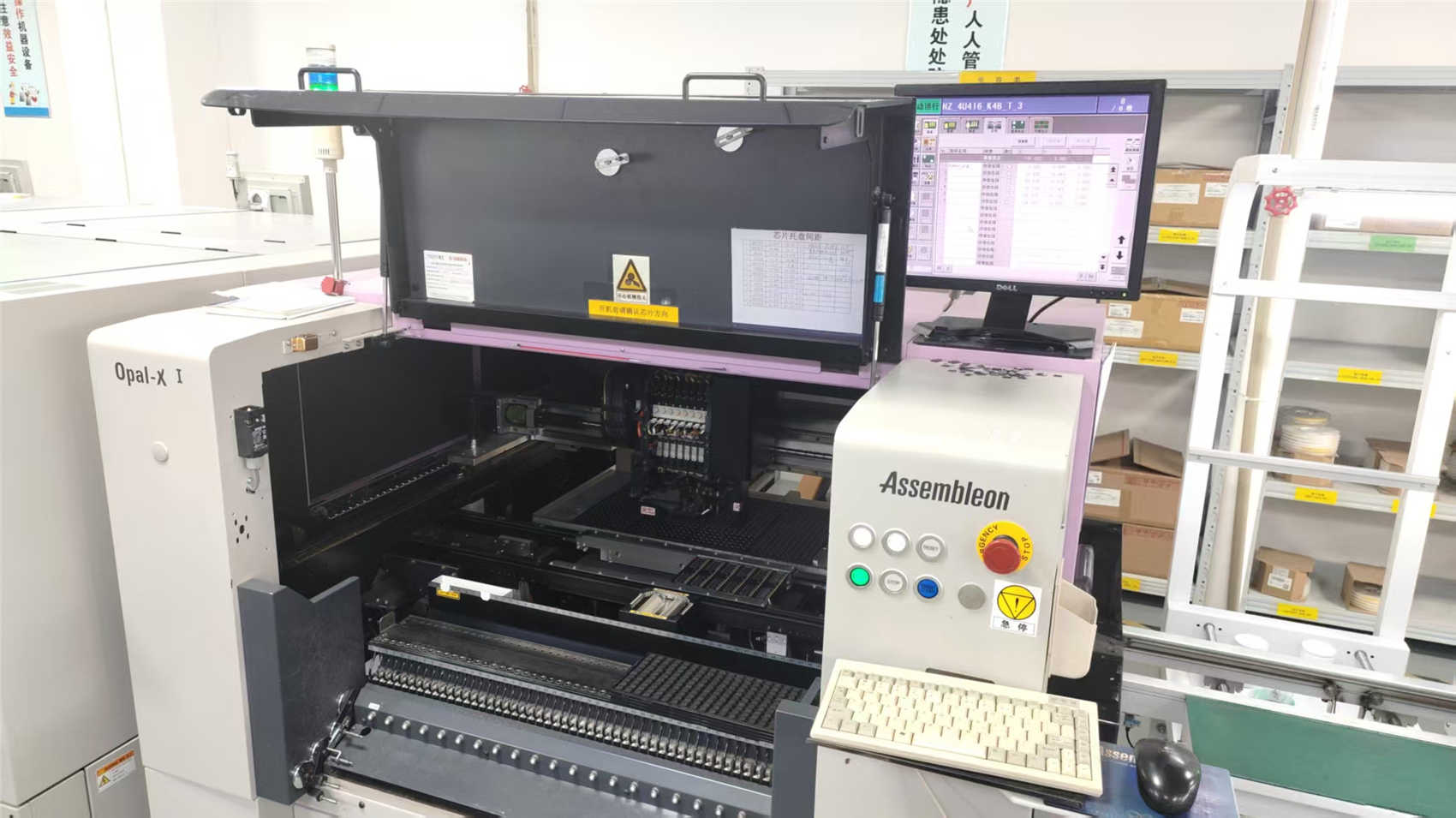
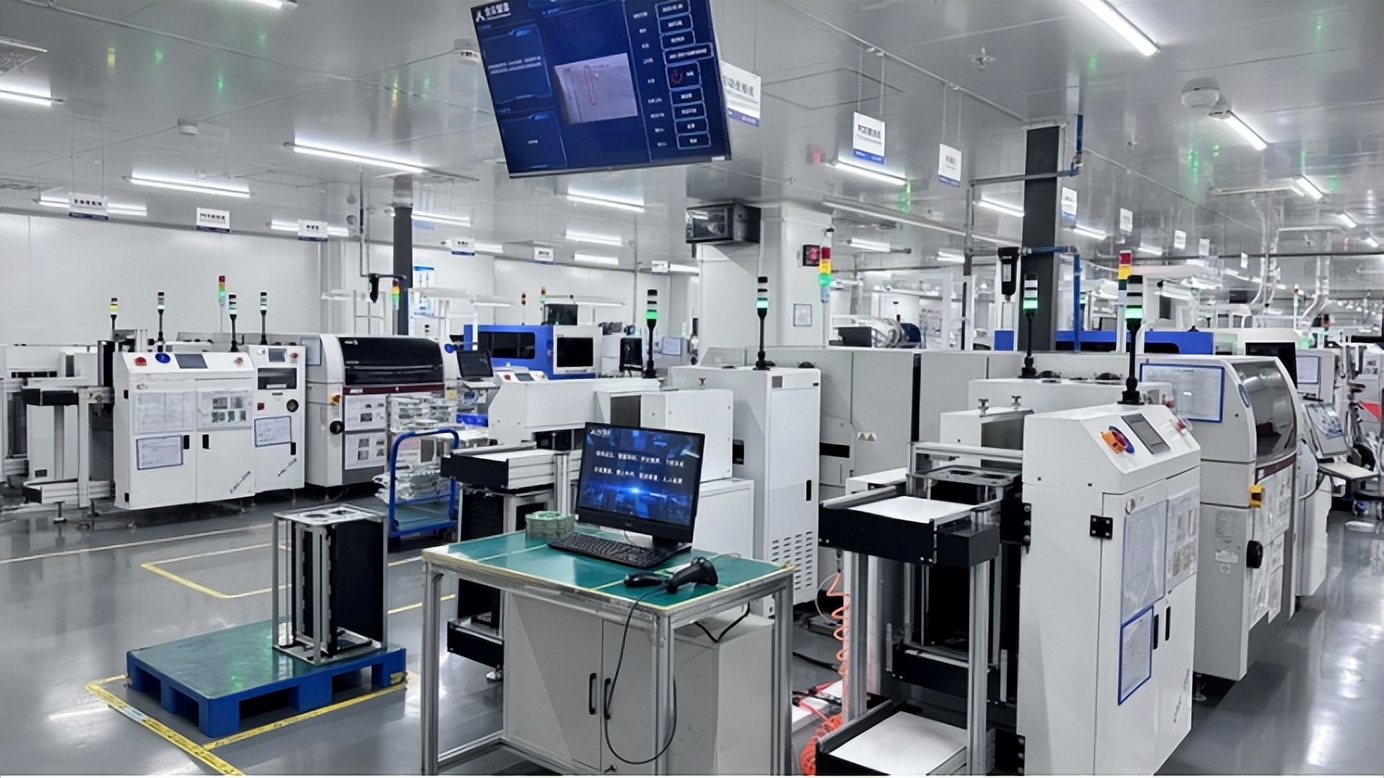
As an industry-focused manufacturer, Bexora AI Systems (China) Co., Ltd. bridge the gap between architectural server design and physical deployment. Operating a state-of-the-art facility covering 18,600 square meters, Bexora delivers scalable compute platforms engineered to maintain peak output under relentless industrial workloads.
Our manufacturing advantage relies on a tightly-integrated supply chain of 860 global component suppliers. This ecosystem enables rapid component selection, custom metal chassis engineering, and high-frequency backplane optimization. This structural advantage allows Bexora to launch over 120 new products and iterations yearly, adapting to changes in AI accelerators, memory technologies, and cooling architectures.
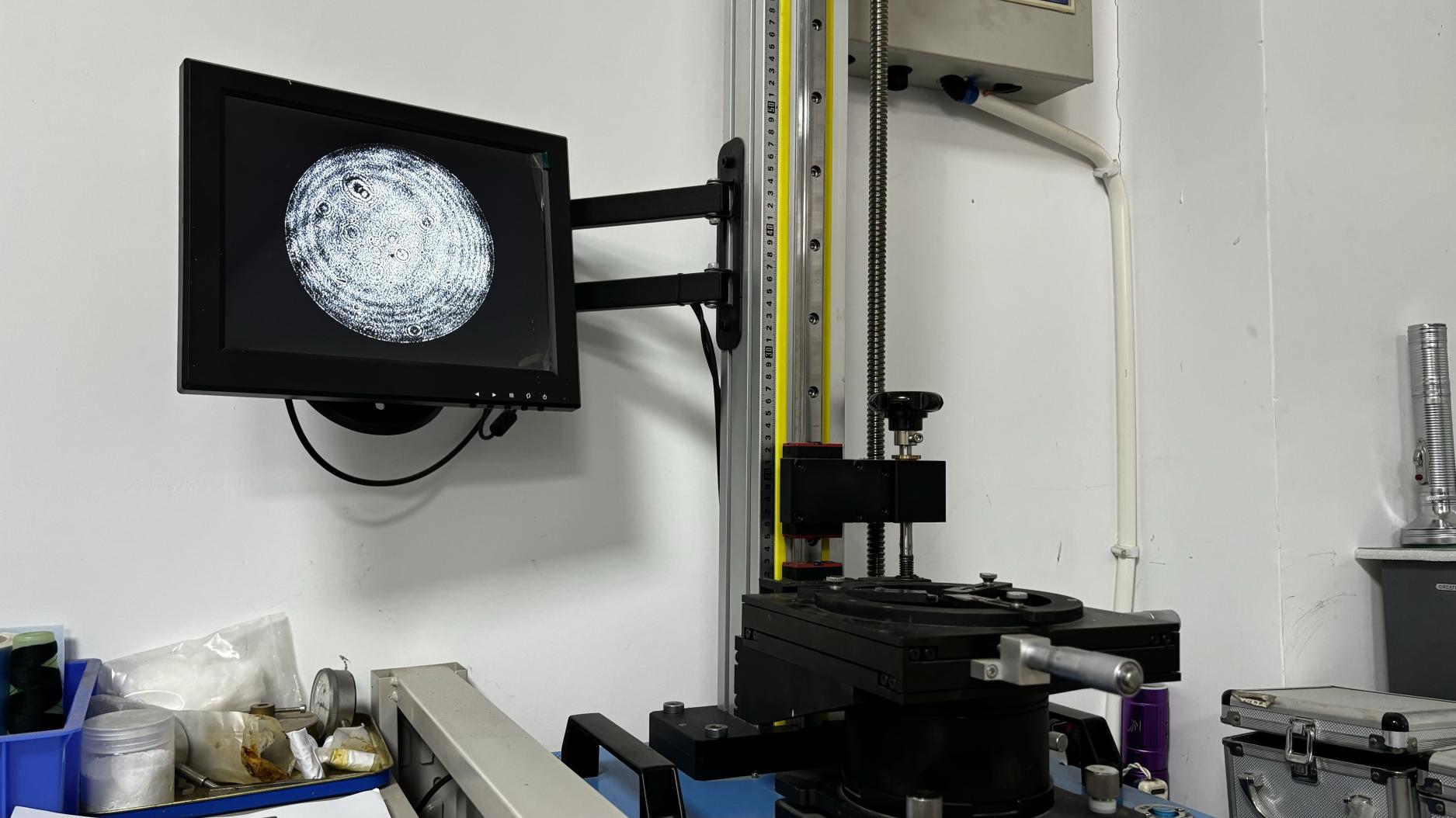
To qualify for deployments in Australian critical operations, all Bexora server systems undergo a rigorous multi-stage quality control process:
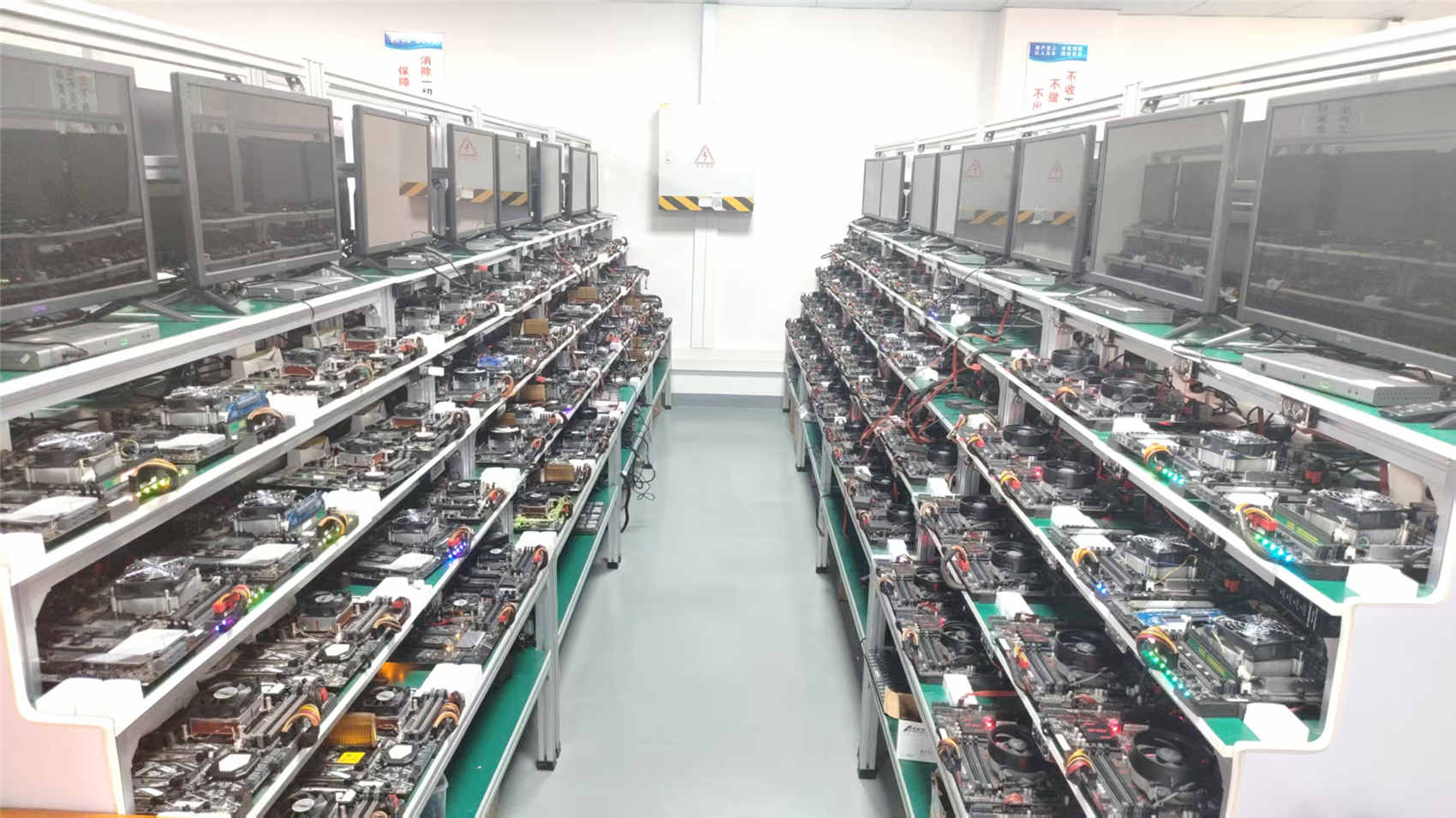


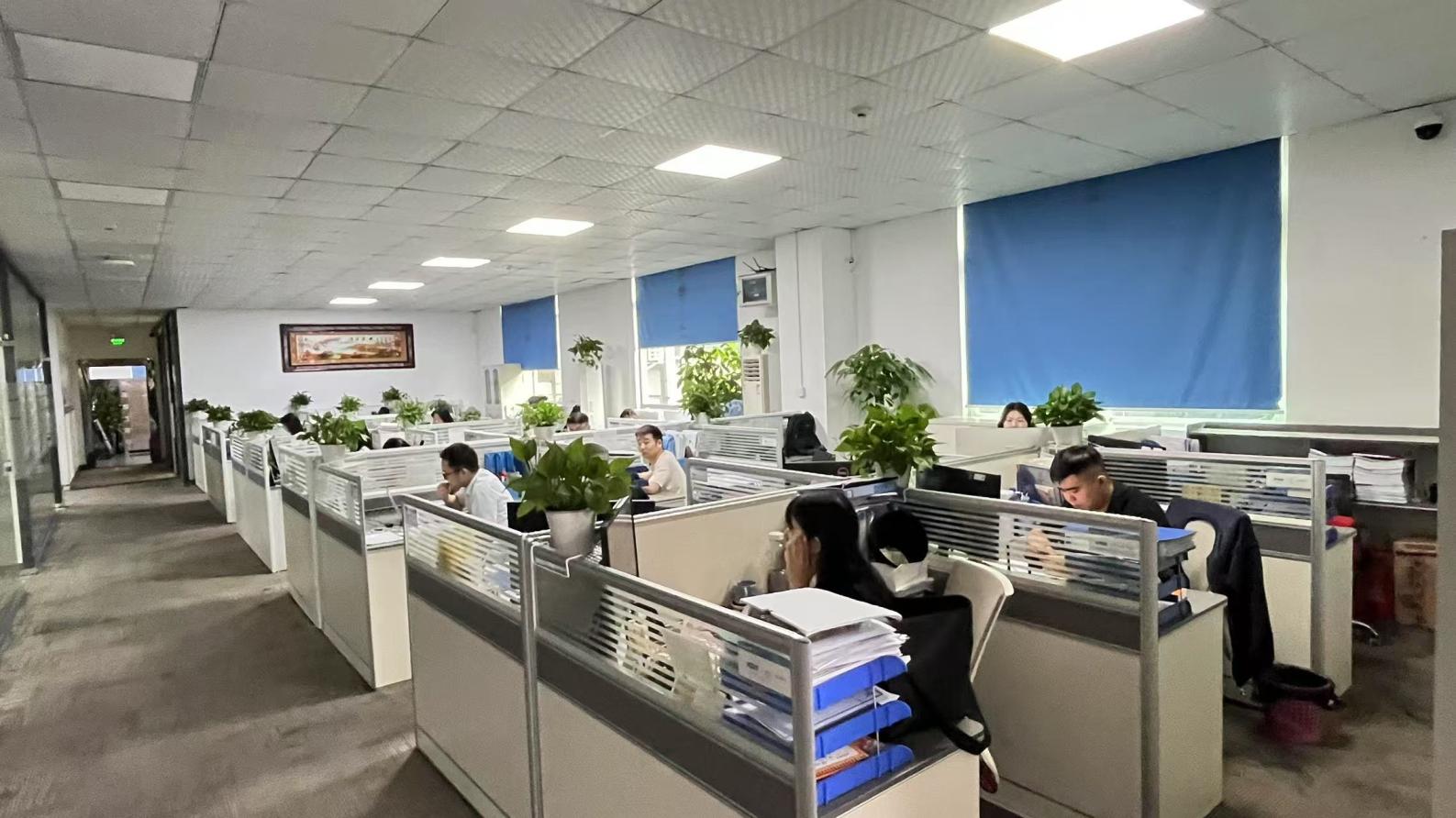
Maintain computational efficiency and redundant configurations with enterprise-grade components verified for high-availability systems.
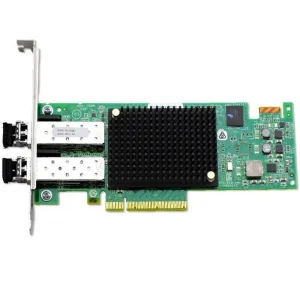
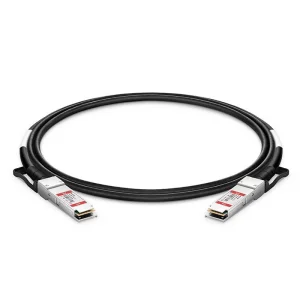
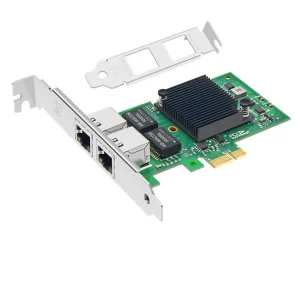
Tailored hardware profiles designed to meet the strict technical standards of Oceania's core industries.
In harsh mining areas like the Pilbara, field operations require rugged server options. Computing infrastructure must endure continuous vibrations, temperature fluctuations, and airborne dust particles. Rackmount setups featuring clean dust-filtering panels, industrial fans, and dual-redundant hot-swap 80 Plus Platinum power systems are crucial. These nodes run heavy geotechnical modeling and real-time sensor processing right at the edge of the pit, minimizing data transmission latencies to offshore clouds.
For financial services based in Sydney's CBD, data security and minimal transit latencies are critical parameters. Servers configured with high-performance host bus adapters and ultra-low latency network interface cards enable instant transactions. These systems help local brokerages remain compliant with ASIC guidelines while maximizing data throughput.
Australian universities and institutes studying ocean patterns and weather trends require massive processing capacity. Deploying 1U and 2U rack servers equipped with multi-socket processors and up to 8TB of system memory enables researchers to process vast data sets. This hardware capacity supports complex simulation pipelines, climate tracking, and academic research.
Key factors to evaluate when sourcing server hardware to ensure compliance, longevity, and thermal stability.
Verify that the server's thermal design power (TDP) profile matches your data center's cooling capabilities. In Australia, peak cooling loads require systems designed with high-efficiency fan arrays to prevent hardware throttling.
Ensure imported hardware carries standard industrial markings (CE, FCC) and conforms to RCM standards for electromagnetic compatibility in Australia.
Work with suppliers that provide verifiable component lists. Ensuring verified DRAM, solid-state controllers, and authentic controller chips helps mitigate early component failures and security risks.
Look for manufacturers that support structural changes, including custom chassis configurations, different GPU slot layouts, and specialized cooling options like liquid-loop integration.
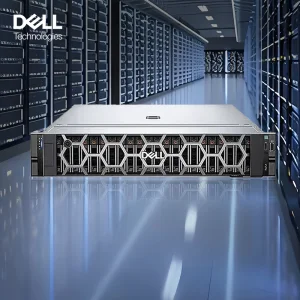
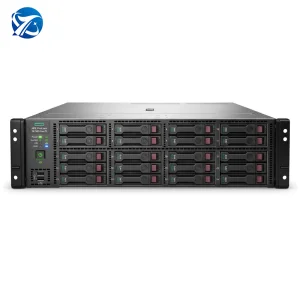
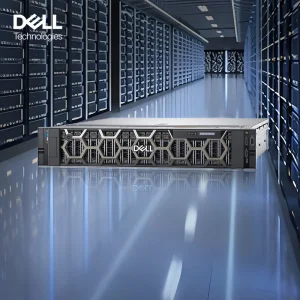
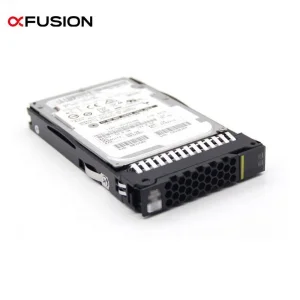
Explore our wide selection of enterprise servers, hardware arrays, and high-performance components available for prompt international dispatch.
Answering common technical questions about importing, custom configurations, and deployment of Bexora servers.
Contact our engineering and procurement team for a detailed hardware estimate, custom integration quote, or compatibility assessment.
Send Inquiry Now