Bexora
Bexora
Bexora
Premium server infrastructure configured specifically to optimize Japan's edge cloud computing applications.
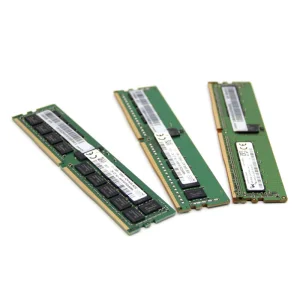
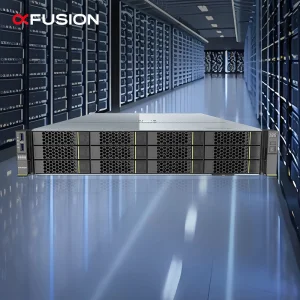
A technical assessment of infrastructure modernizations, power targets, and hardware deployments in Japan.
As Japan accelerates its national digital evolution through the Society 5.0 blueprint, demand for localized computing infrastructure has evolved dramatically. The digital transformation (DX) initiatives led by Japan's Ministry of Economy, Trade and Industry (METI) highlight a critical transition from legacy hardware architectures to highly agile, cloud-native, and AI-optimized infrastructures. Organizations across Tokyo, Osaka, and Fukuoka are transitioning their bare-metal clusters to modern cloud architectures that demand highly reliable, high-density server configurations.
Japan's server landscape faces unique regulatory and ecological parameters. High metropolitan land values necessitate spatial conservation, which drives data centers to choose 1U and 2U rack server options with optimized footprints. Moreover, in alignment with Japan's 2050 carbon neutrality pledge, modern facilities target stringent Power Usage Effectiveness (PUE) ratios. This regulatory pressure shifts purchasing trends toward systems that exhibit high thermal efficiency, variable fan control algorithms, and optimized power delivery interfaces, such as the V5/V6 server platforms.
Furthermore, Japan's seismic risk profile imposes physical stability requirements. Data centers demand servers with robust structural frames, secure locking drive trays, and modular power units that prevent brief disruptions from turning into extensive downtimes. Hardware redundancy, particularly in storage controllers and memory units, is critical for high-availability systems running within Japanese financial, telecom, and automotive sectors.
Evaluating standard computing tiers and the long-term utility of V5 architectures in scalable infrastructures.
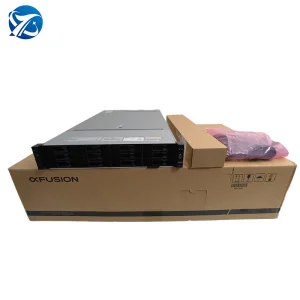
Globally, enterprise networks balance raw performance against capital expenditure (CAPEX) and operating expenses (OPEX). V5 series servers represent a balanced intersection in this environment. Built on mature architecture platforms, these servers offer cost-effective, high-throughput capability for general virtualization, storage networks, and distributed enterprise databases. While newer generation architectures handle bleeding-edge workloads, the V5 server family remains a reliable, highly optimized option for standard corporate computing needs.
Our V5 Rack Server portfolio provides significant advantages for international buyers, including:
Additional systems built to bridge traditional virtualized environments and deep learning operations.
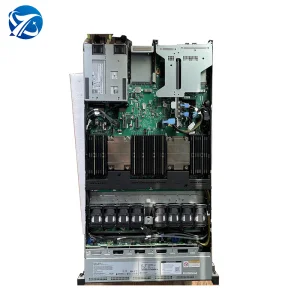
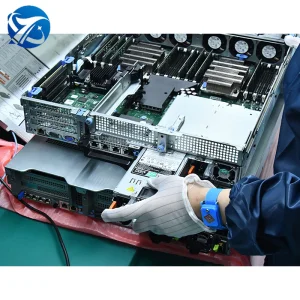
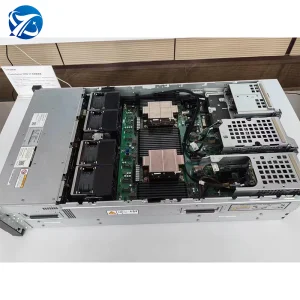
How Bexora AI Systems ensures system longevity under intensive commercial workloads.
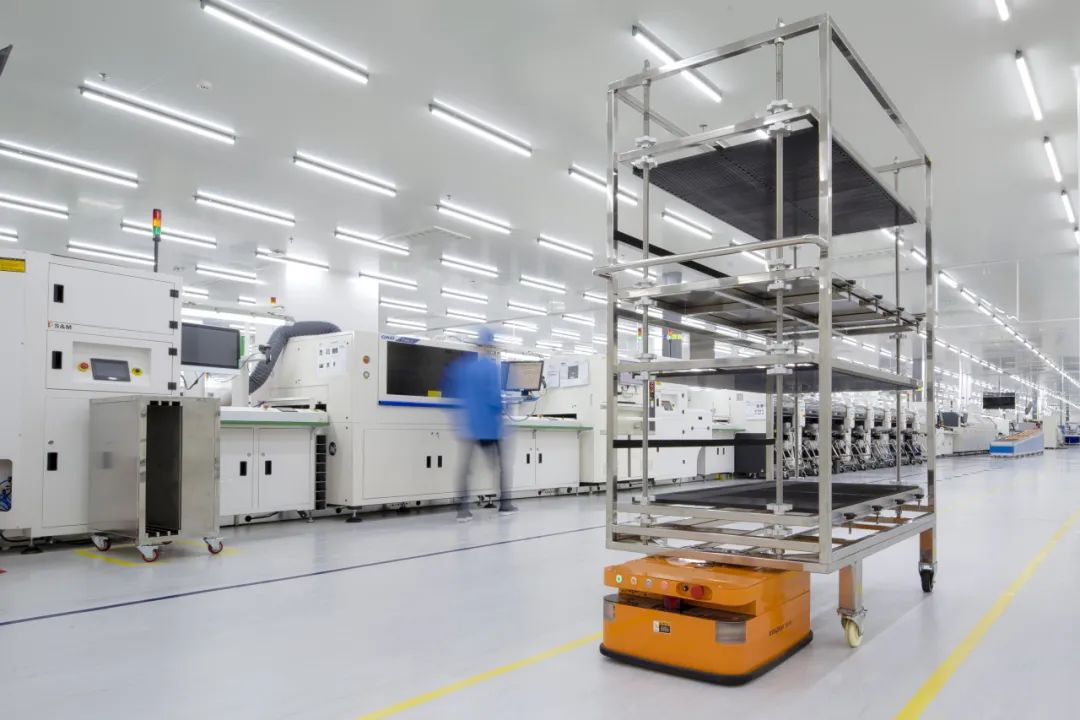
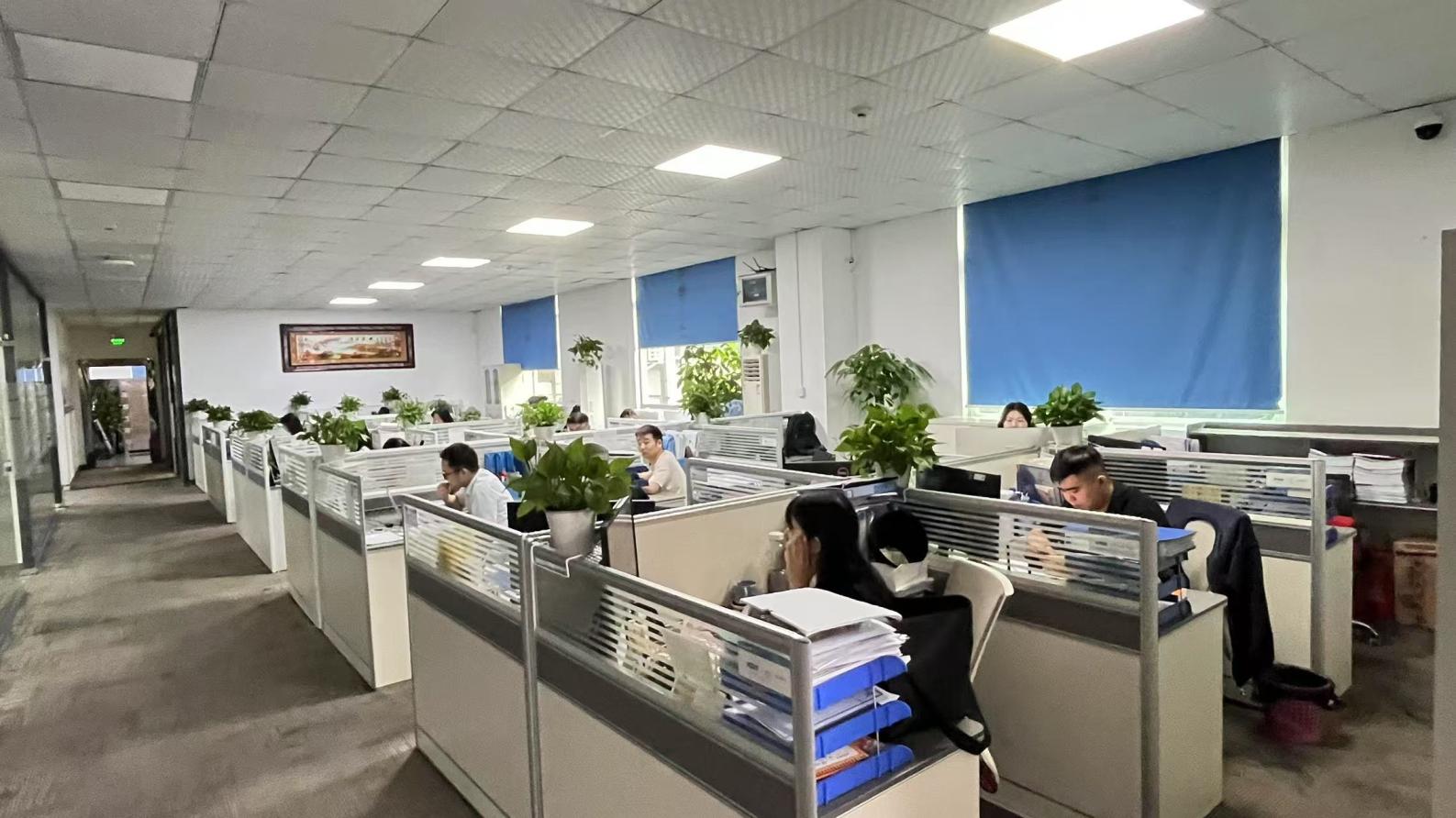
At Bexora AI Systems (China) Co., Ltd., we understand that server reliability directly impacts data center service levels. Established in 2016, our operations are built on 12 years of industry experience, with 7 years of global B2B export experience. Our facility in China spans 18,600 square meters, generating an annual export revenue of USD 18 million. This scale supports a supply chain of over 860 partners, ensuring access to quality server components, power subsystems, and chassis elements.
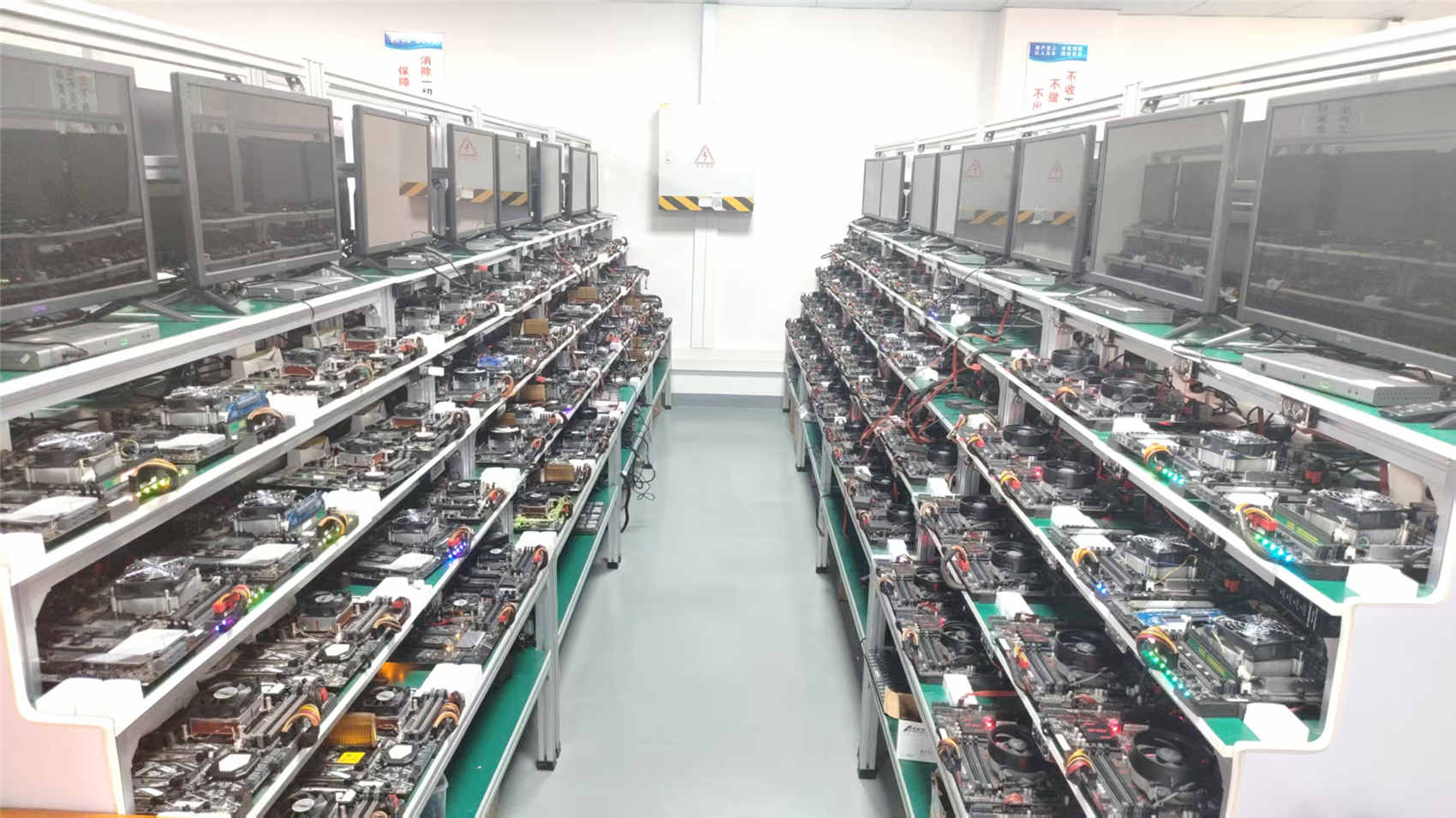
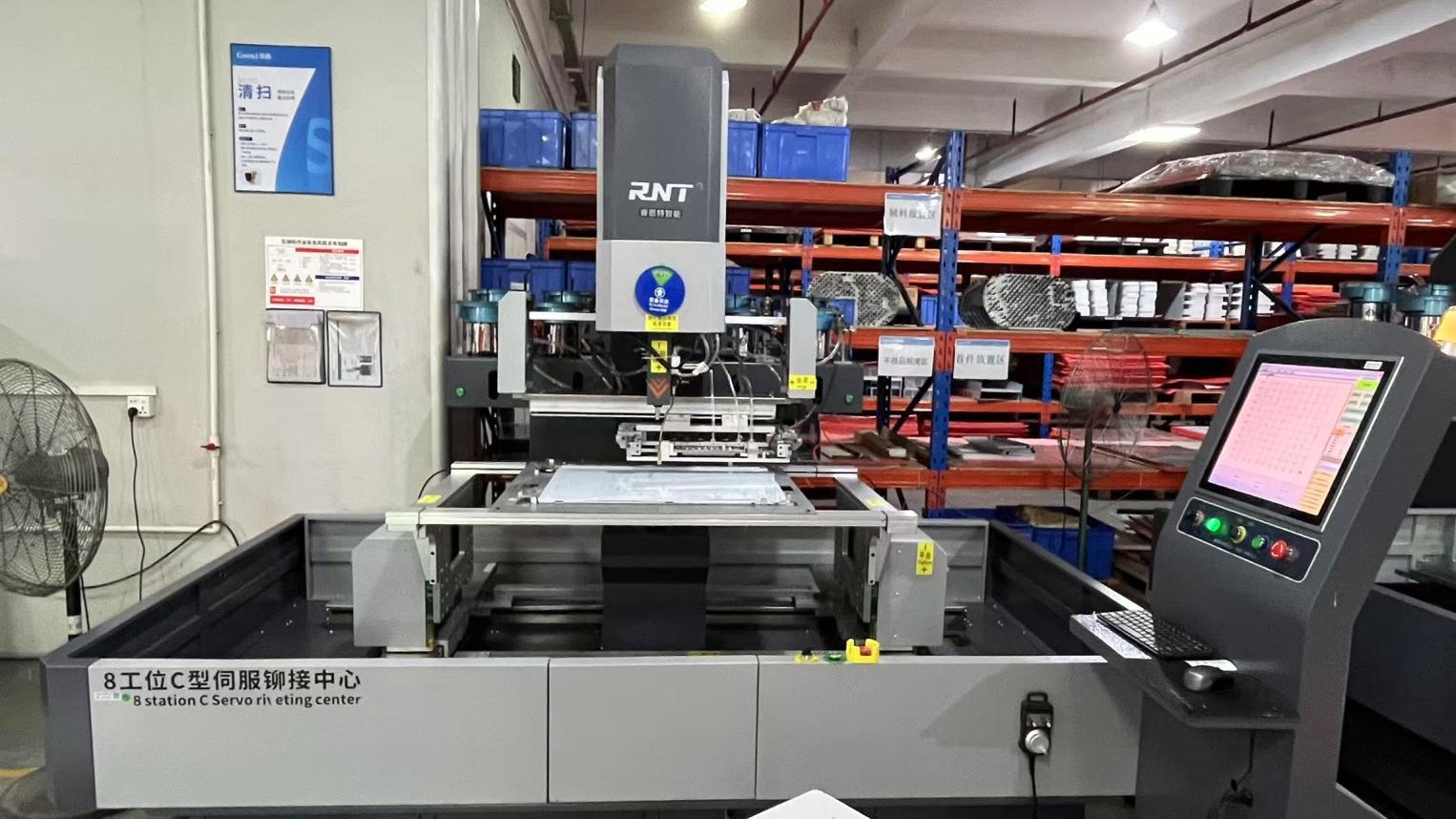
We maintain a Quality Control (QC) team of 45 industry professionals. Each unit undergoes a multi-step inspection pipeline before shipment:

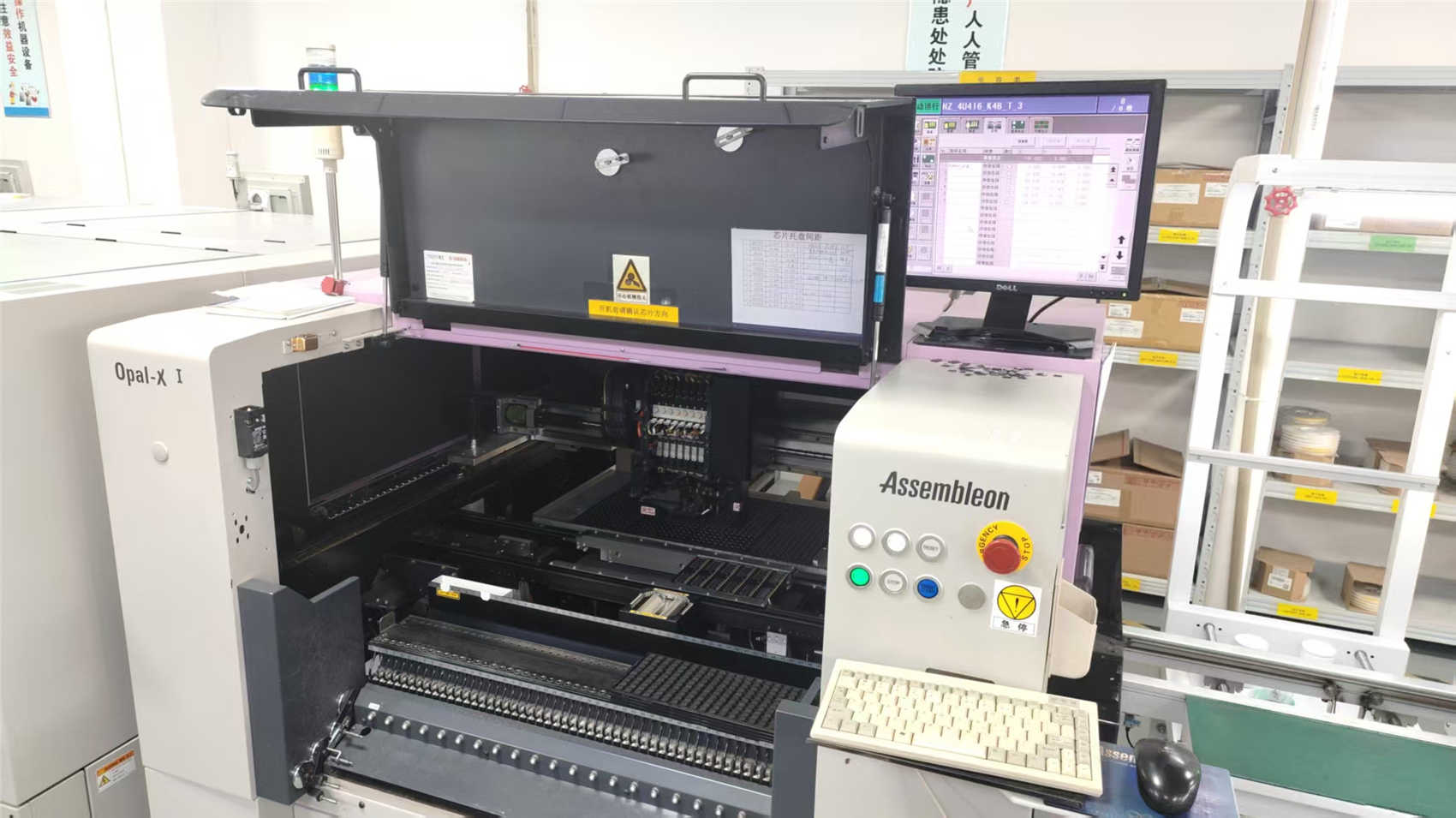
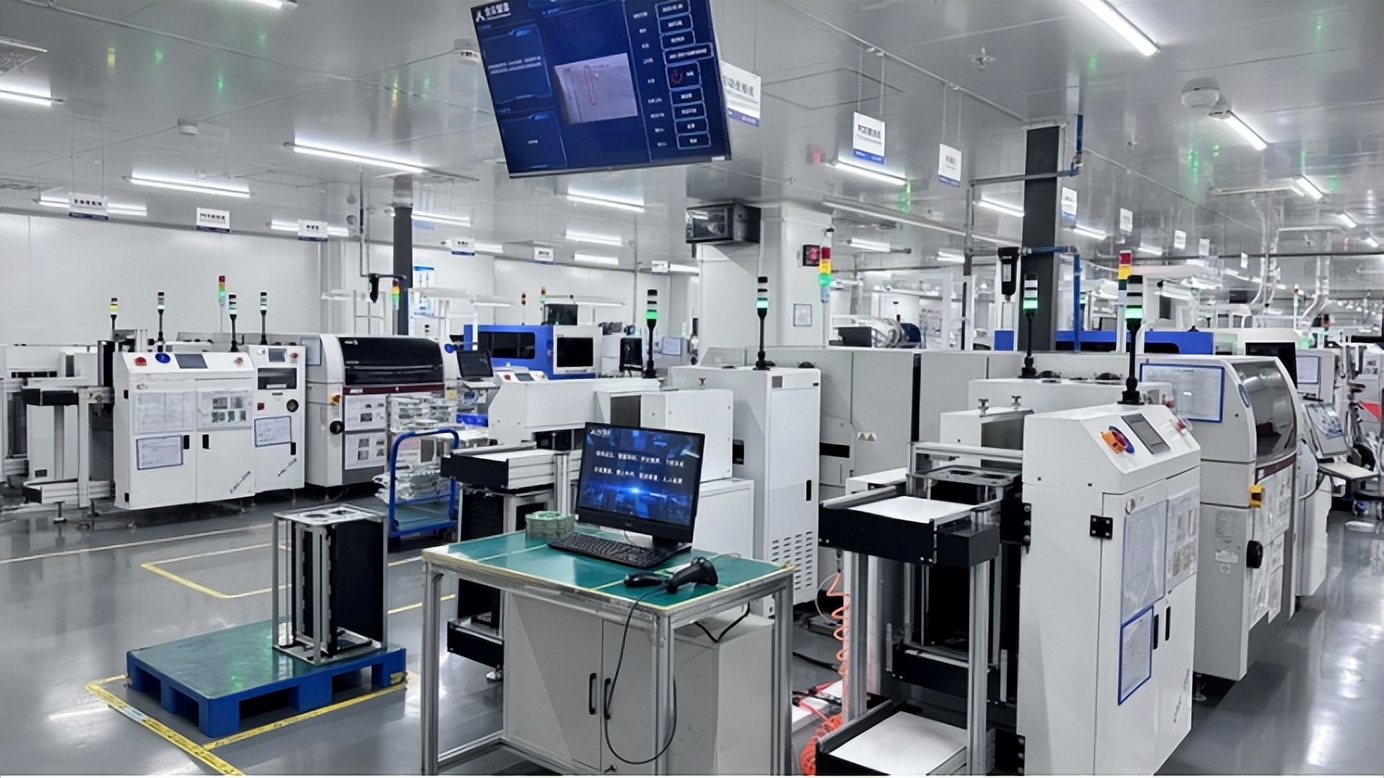
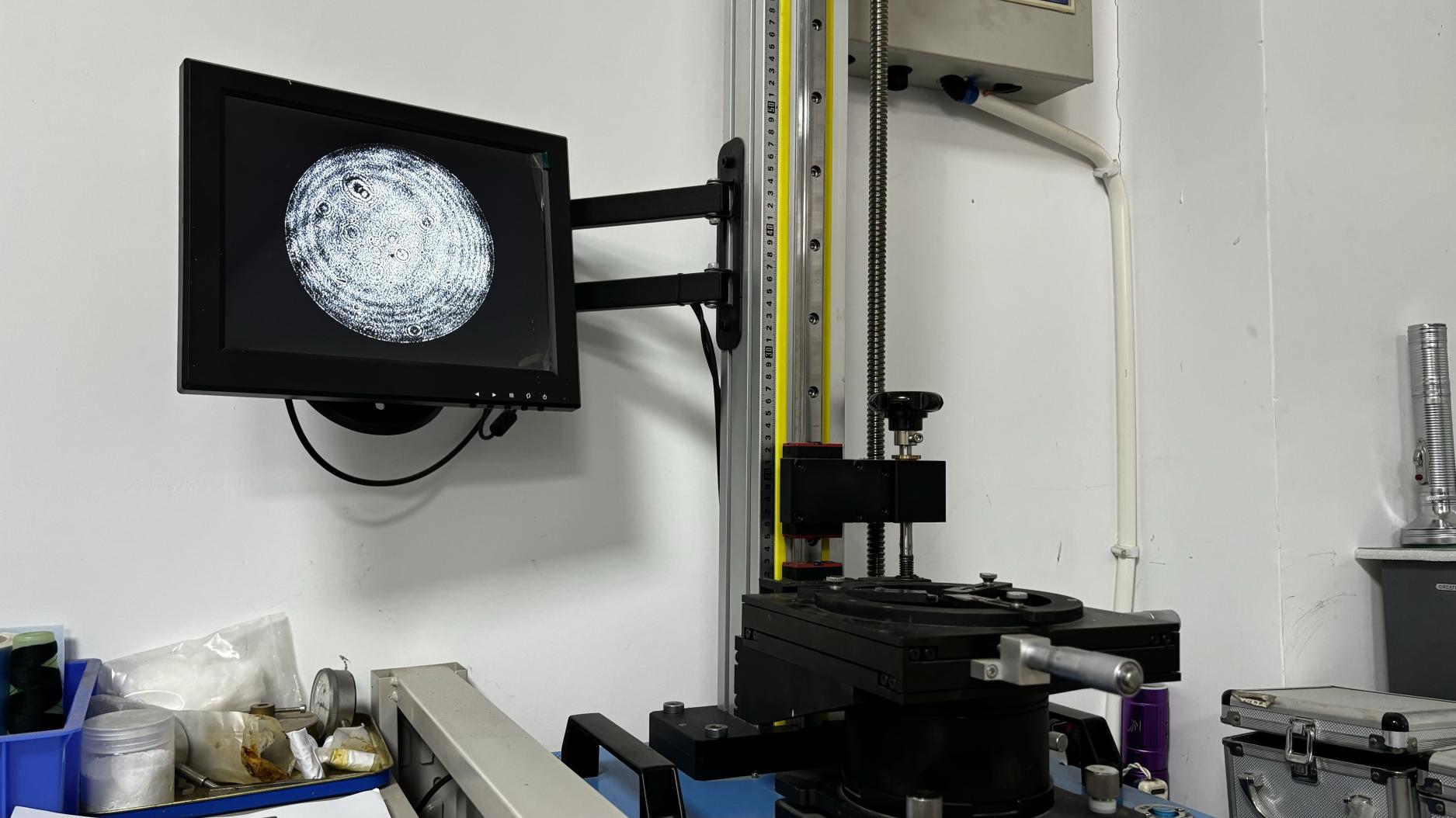
Specific hardware configurations aligned to local enterprise requirements.
In regions like Kyoto and Aichi, automation lines generate high volumes of telemetry data. Edge-deployed V5 servers run local control applications and monitor hardware conditions. Equipped with PCIe 4.0 expansion channels and high-cache RAID controllers, these units process streaming data locally, minimizing latency to central control loops.
Financial firms in Tokyo rely on systems with low latency and consistent read-write operations. Outfitting 2U dual-socket servers with fast, low-density ECC memory and direct PCIe-attached NVMe storage supports transactional databases, order execution systems, and analytics processing.
Universities and laboratories in regions such as Sendai and Tsukuba deploy high-performance cluster compute nodes. System customization options allow for hybrid storage configurations and custom cooling loops, supporting processing tasks in physics, fluid dynamics, and climate modeling.
How architectural improvements meet changing compute requirements.
The progression of server architecture matches the increasing complexity of enterprise data workloads. This roadmap highlights how standard V5 platforms compare to V6 and V7 models, helping data center managers balance investment costs against performance targets.
| Platform Generation | Memory Standard | PCIe Interface | AI/Deep Learning Target | Typical Use Cases |
|---|---|---|---|---|
| FusionServer V5 Series | DDR4 ECC RDIMM (2666/2933 MHz) | PCIe Gen 3.0 | Standard Inference / Light Analytics | Virtualization, ERP, Corporate Mail, Web Hosting |
| FusionServer V6 Series | DDR4 ECC RDIMM (3200 MHz) | PCIe Gen 4.0 | Medium-scale Deep Learning Inference | Private Clouds, Medium Database Clustering, AI Inference |
| FusionServer V7 Series | DDR5 ECC RDIMM (4800/5600 MHz) | PCIe Gen 5.0 | Deep Learning Training & DeepSeek AI Models | High-Density GPU Clusters, Real-time Big Data Engine |
Moving from V5 to V7 architectures involves changes in processor density, bus speed, and thermal parameters. V7 systems deliver high throughput for deep learning models, while V5 systems remain a cost-effective, dependable choice for standard virtualized environments and enterprise software suites.
Key information regarding hardware configuration, system architecture, and compatibility.
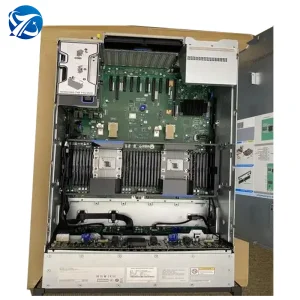
Our V5 servers feature an intelligent cooling design that adjusts fan speed based on thermal readings from the processor, memory modules, and expansion slots. Operating temperatures should be kept between 5°C and 35°C, with a target ambient temperature of 22°C to help balance cooling costs and system reliability.
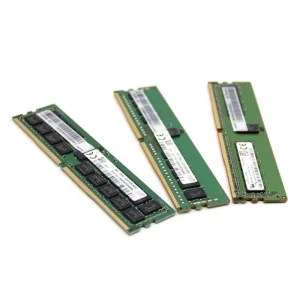
No, RDIMM and LRDIMM memory modules cannot be mixed within the same physical motherboard configuration. To maintain system stability and prevent POST failures, users must populate the memory channels with only one type of module. We recommend matching part numbers and ranks for high-performance memory configurations.
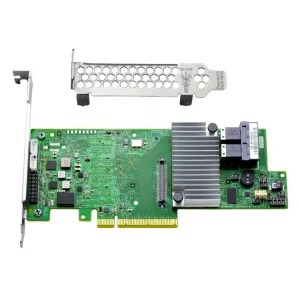
The 9560-16i controller uses a PCIe Gen 4.0 host interface to support high transfer rates and features an 8GB onboard cache. This configuration helps improve read-write performance for hypervisor software, ensuring data access speeds for large virtual disk deployments.
Yes, we offer custom BIOS and BMC configurations to help users meet specific energy targets. We can modify C-states, adjust fan curves, and limit socket power bounds to optimize power consumption in various enterprise applications.
A selection of server options, memory kits, and expansion controllers designed for modern enterprise environments.
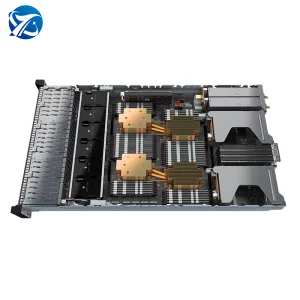
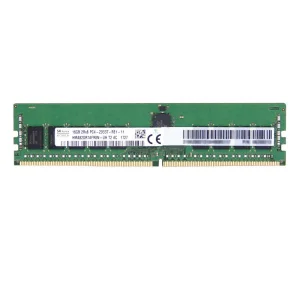
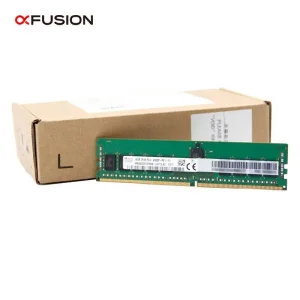
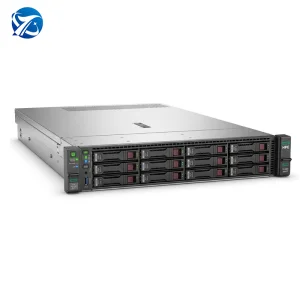
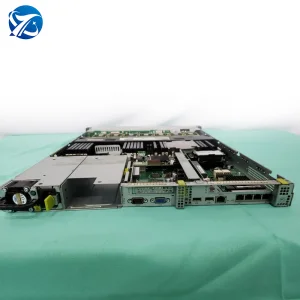
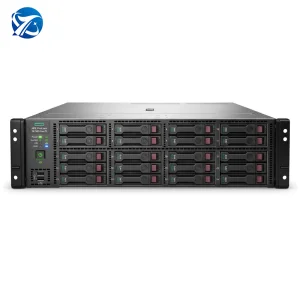
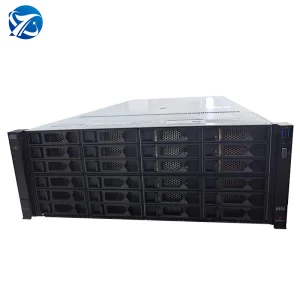
Bexora AI Systems provides custom OEM configurations, tailored storage options, and verified hardware components for your specific database and application needs.
Send Inquiry Now