Bexora
Bexora
Bexora
Enterprise compute configurations calibrated for data-intensive workflows, virtualization nodes, and AI analytics in South African private and public clouds.
Deploying rack-scale infrastructure under constraints requires deep awareness of regional dynamics, grid properties, and operational parameters.
As the industrial engine of Sub-Saharan Africa, South Africa—centered on the technological powerhouse zones of Gauteng (Johannesburg, Midrand, and Pretoria) and the growing hyper-scale hubs of the Western Cape (Cape Town)—is experiencing a massive transformation in its data processing requirements. Major global cloud service providers have established sovereign cloud regions in the country. However, local enterprises are increasingly demanding hybrid cloud models and high-performance on-premise compute nodes to protect critical intellectual property, secure local database access, and support edge operations.
A primary defining challenge of the South African computational landscape is power quality and availability. Operating heavy enterprise rack infrastructure like V6 and V7 multi-socket servers requires robust energy tolerance strategies. With legacy grid issues, local installations rely significantly on localized microgrids, massive uninterruptible power supplies (UPS), and hybrid solar/generator setups. Server hardware must therefore support optimized high-voltage direct current (HVDC) configurations, exhibit extreme energy efficiency, and maintain robust thermal design parameters to handle dynamic environmental adjustments when backup cooling cycles engage.
From mineral exploration mapping to real-time risk assessment in Sandton, our infrastructure powers the core of regional commerce.
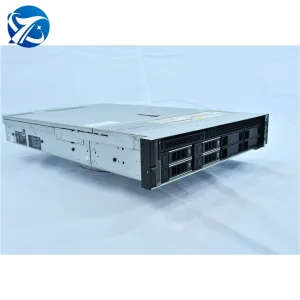
In the Witwatersrand Basin and the Bushveld Igneous Complex, seismic imaging, remote telemetry processing, and automation algorithms demand immense CPU and GPU processing capability at the edge. V6 rack-mount options process dense geophysical profiles locally, removing dependency on high-latency satellite or fiber backhauls.
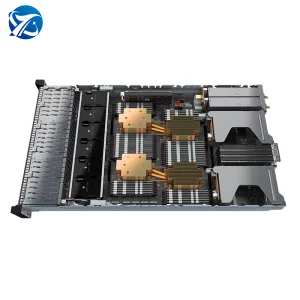
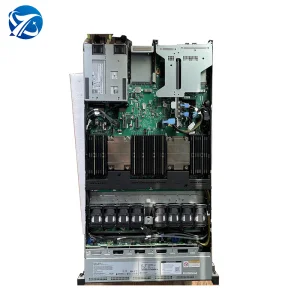
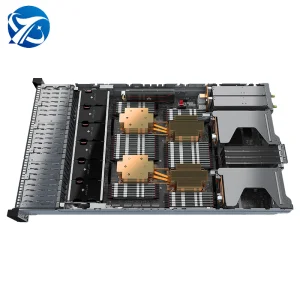
Sandton's tier-one banking operations demand sub-millisecond fraud checking and real-time transaction processing. The four-socket architecture of the 2488H V6, configured with massive ECC DDR4 RDIMM, delivers the memory-dense pipeline needed for lightning-fast database structures.
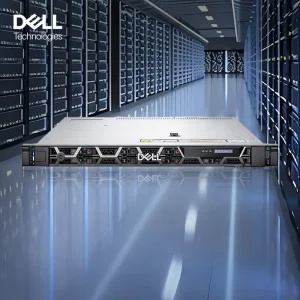
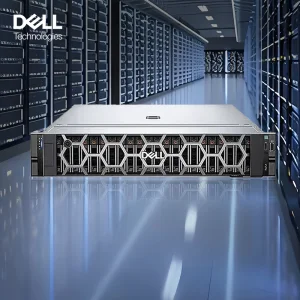
Regional telecommunications operators rolling out 5G and fiber-to-the-home across metropolitan hubs require reliable rack nodes for Network Functions Virtualization (NFV) and edge caching. Low-profile, high-density 1U form factors like the Dell PowerEdge R660 optimize rack footprint and power draw.
A professional guide to selecting the right computing tier for your corporate lifecycle.
As enterprise storage speeds and data ingestion volumes climb, hardware selectors must determine whether to base their computational strategy on the proven efficiency of V6 technology architectures or plan transitions toward next-generation V7 and PCIe Gen 5 topologies.
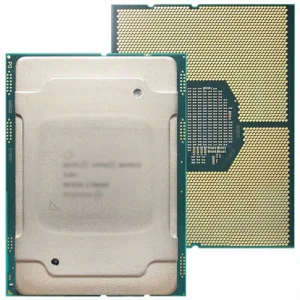
The V6 architecture (built around 3rd Gen Intel Xeon Scalable Processors, like the Gold 5318H/5320H series, combined with 3200MHz DDR4 ECC memory) remains the global standard for reliability, cost-efficiency, and predictable thermal behaviors. These systems are highly suitable for companies seeking to scale up their standard virtualization environments, scale-out databases, and mid-range application servers without committing to the premium price point and high power requirements of Gen 5 chipsets.
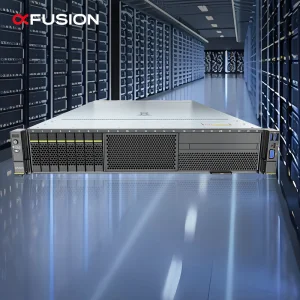
In contrast, the newer V7 generation (utilizing PCIe Gen 5.0 lanes, DDR5 memory pools, and advanced AI optimization capabilities) is designed to handle demanding workflows, such as local training of large language models, complex neural network inference, and dense NVMe storage pipelines. For South African enterprises looking to run AI models on-site to maintain compliance, deploying V7 configurations (such as the FusionServer 5288 V7) provides the modern PCIe connectivity required for high-bandwidth accelerator boards and ultra-fast network interfaces.
| Technical Component | V6 Rack Platforms (Standard Selection) | V7 AI-Optimized Platforms (Future Trend) |
|---|---|---|
| CPU Architecture | 3rd Gen Intel Xeon Scalable (Cooper Lake / Ice Lake) | 4th/5th Gen Intel Xeon Scalable / High-Core PCIe Gen 5 Nodes |
| Memory Interface | DDR4 RDIMM up to 3200 MT/s (High-density ECC protection) | DDR5 RDIMM up to 4800/5600 MT/s |
| PCIe Lanes & Bus Speeds | PCIe Gen 4.0 (16 GT/s per lane) for SAS/SATA/NVMe | PCIe Gen 5.0 (32 GT/s per lane) with CXL support |
| Optimal Storage Tier | Universal SAS 12Gb/s HDD & SATA SSD array combinations | High-density NVMe U.2 / U.3 Flash-optimized environments |
Leveraging advanced Chinese manufacturing processes, strict quality management, and international logistics integration.
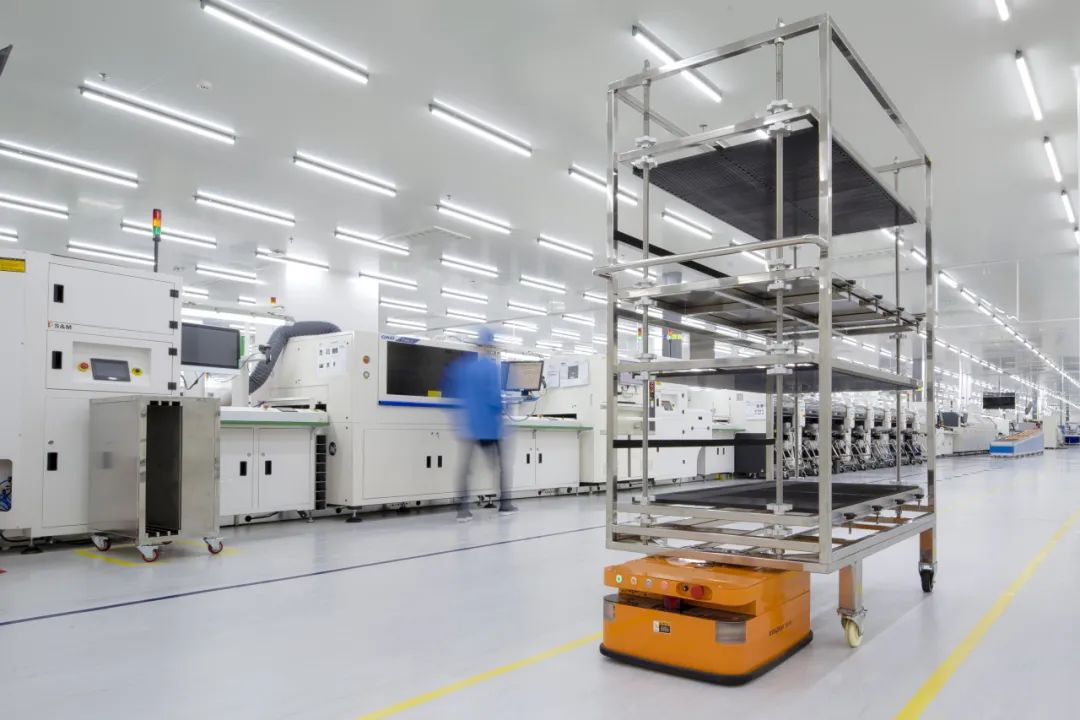
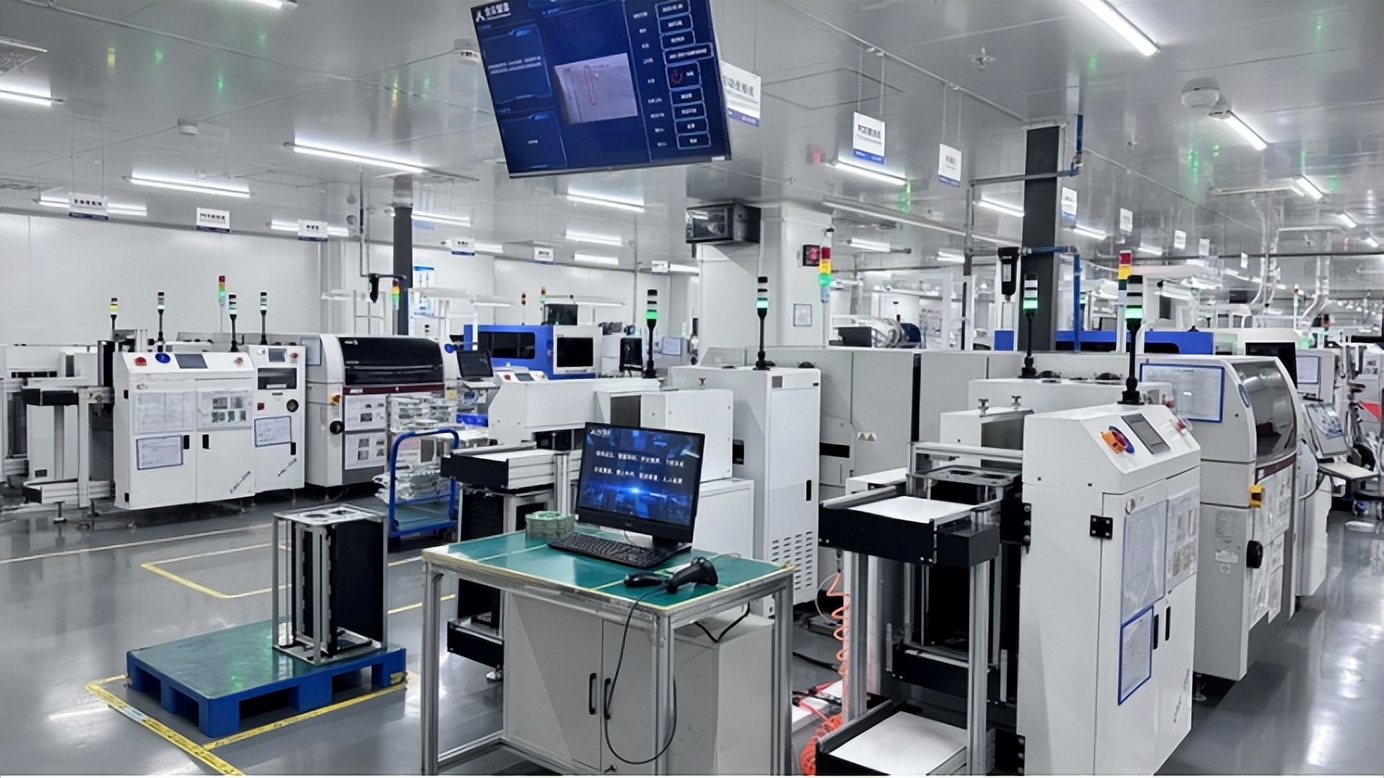
Bexora AI Systems (China) Co., Ltd. serves as a foundational manufacturing partner to distributors, system integrators, and enterprise customers globally. With a modern 18,600 square meter production facility, our factories maintain the dynamic scaling capacity needed to manage large order volumes while offering detailed product customization.
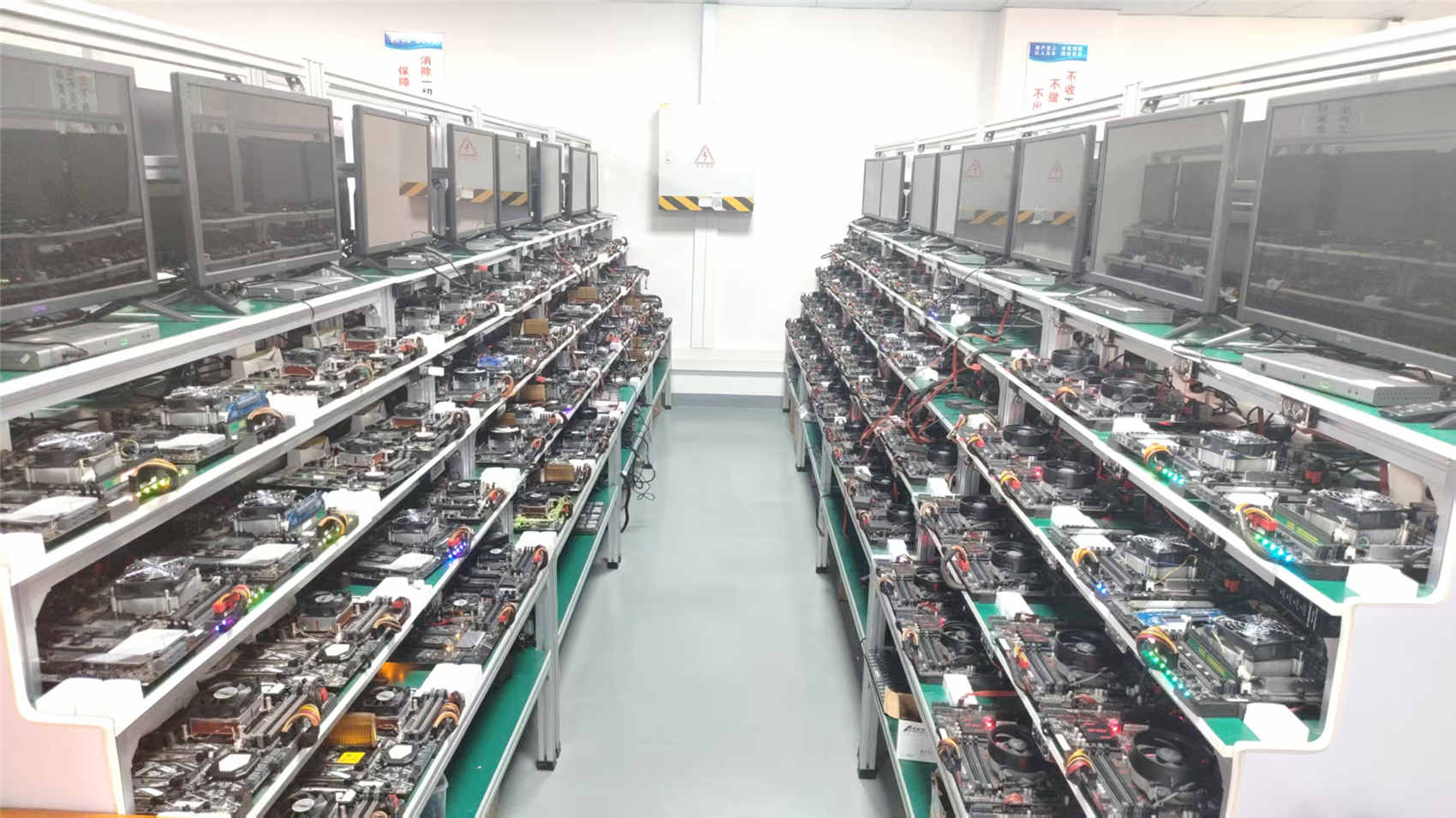
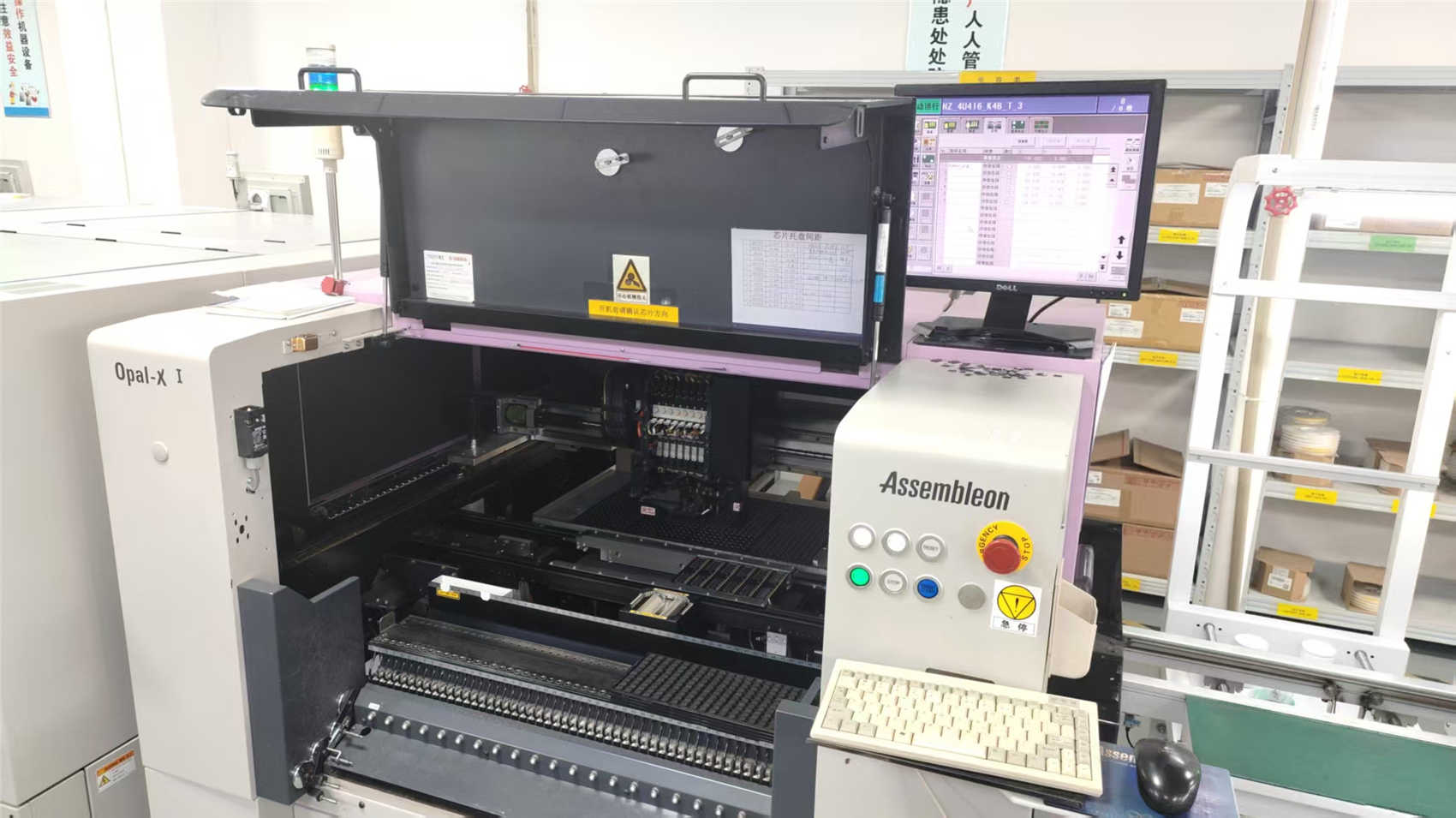
Our quality assurance framework relies on a specialized team of 45 QA and QC professionals. Every server node undergoes a rigorous process that includes automated optical inspections (AOI), high-temperature dynamic stress testing, full component burn-in cycles, and full system workload simulations. This testing protocol ensures that hardware components, storage controllers, and memory banks perform reliably in diverse real-world environments.
Additionally, we work closely with an established ecosystem of over 860 raw material and component supplier partners. This strong network helps secure consistent access to key components like high-current power units, chassis steel, SAS/SATA backplanes, and critical cooling fans. By managing component sourcing effectively, we help shield our clients from shipping delays and supply chain interruptions.


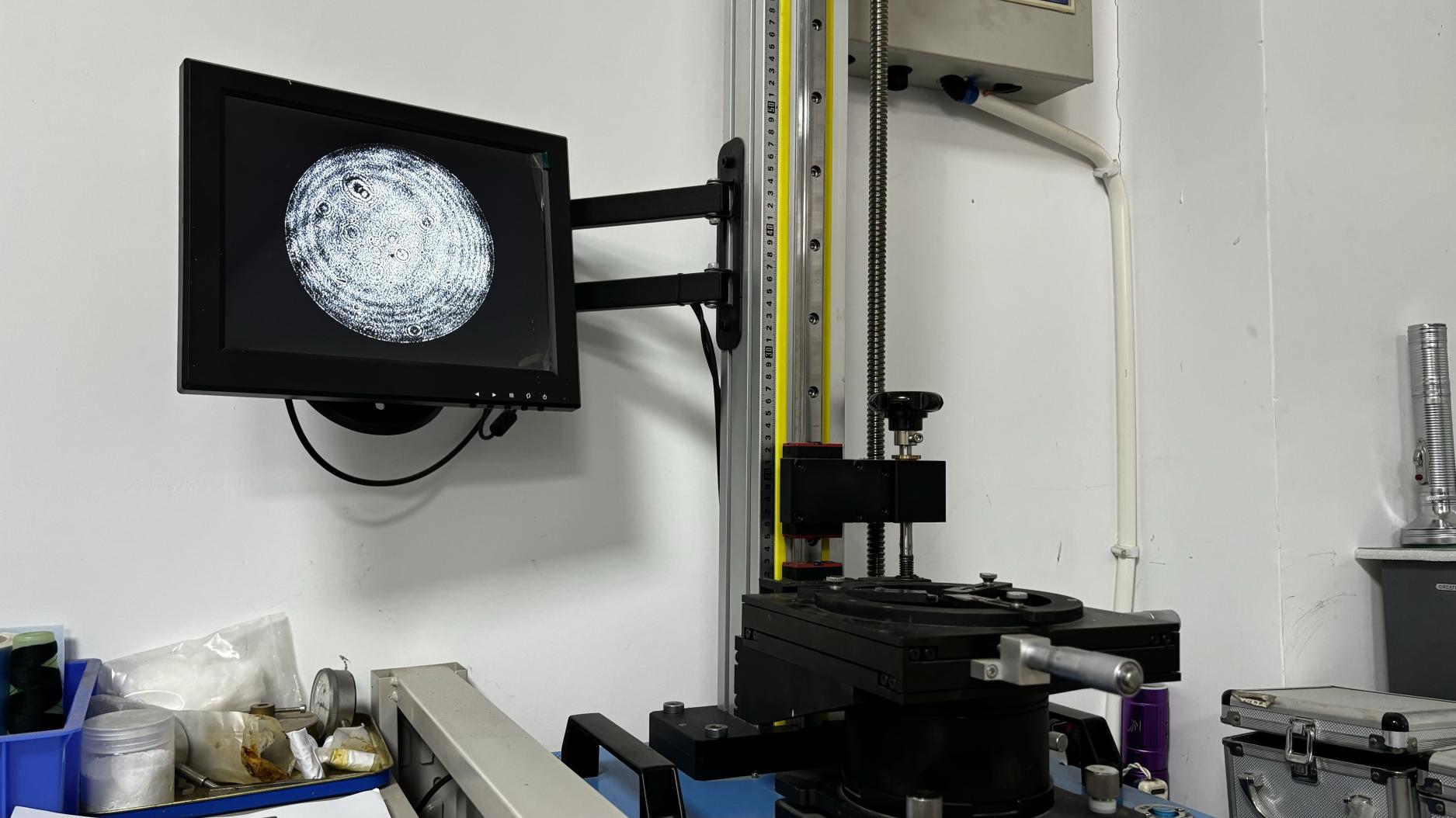
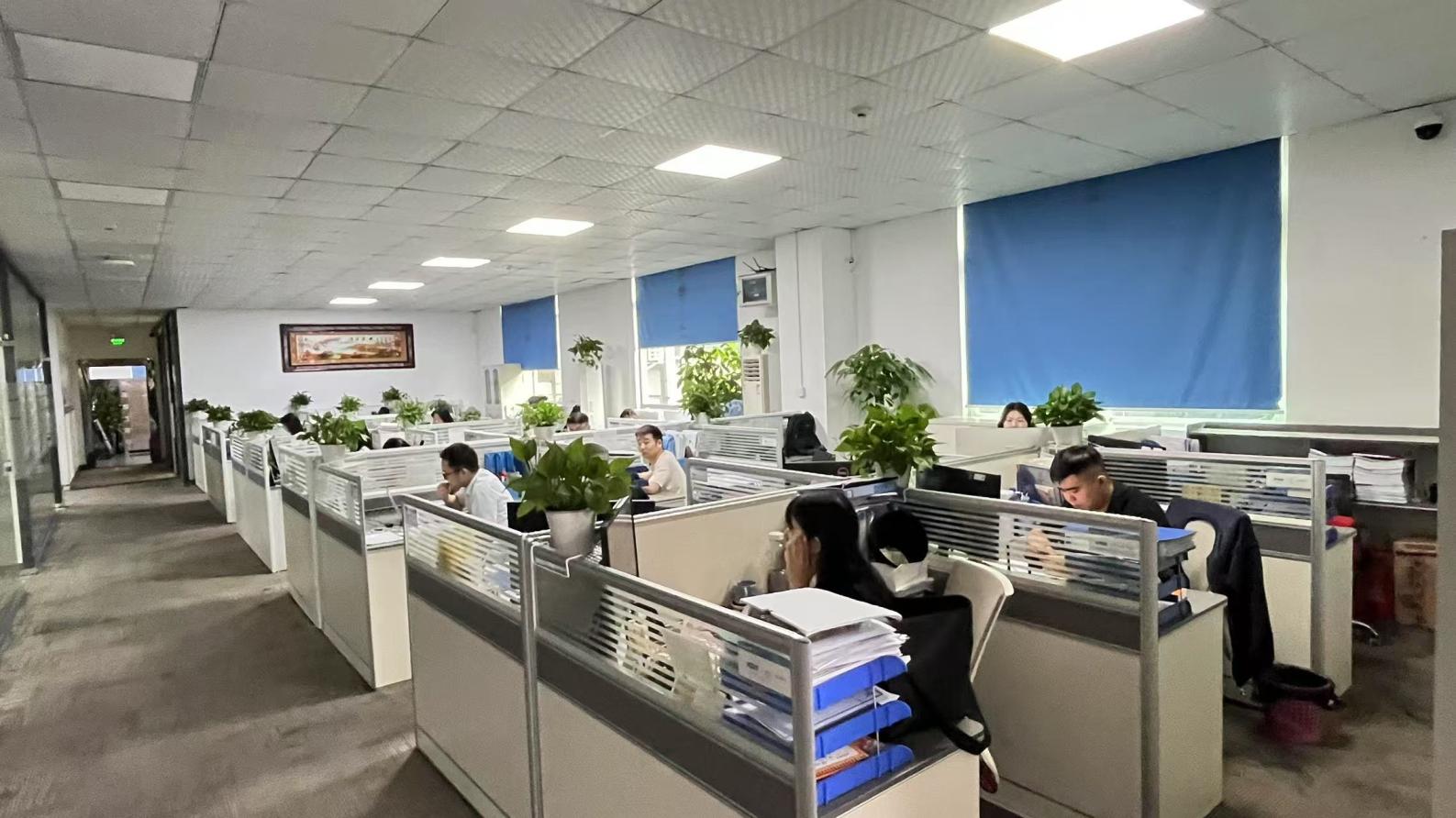
Ensuring hardware imports align with domestic legal protections and electrical engineering expectations.
Deploying physical infrastructure in South Africa requires strict adherence to local laws, electrical safety guidelines, and security requirements:
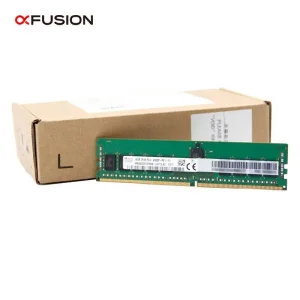
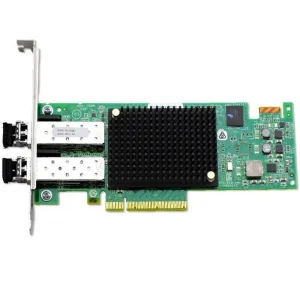
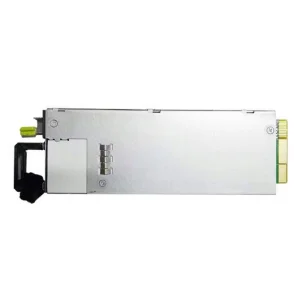
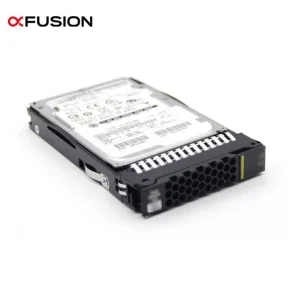
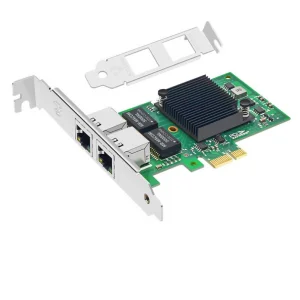
Select from our certified list of server spare parts, storage units, controller boards, and processors to maintain your server deployment.
Technical answers directly from Bexora AI Systems' engineering lead team regarding specifications and transport to South African ports.