Bexora
Bexora
Bexora
Engineered for extreme performance and validated for LATAM enterprise, colocation, and high-frequency communication environments.

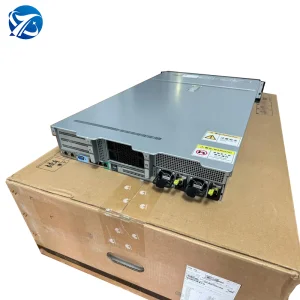

The Valley of Mexico, particularly the metropolitan area of Mexico City (CDMX) and adjacent tech corridors in Querétaro and Estado de México, has emerged as the premier datacenter and telecom powerhouse of Latin America. Driven by aggressive digital transformations across banking, retail, and manufacturing sectors, enterprise infrastructure requires unmatched reliability, localized compliance, and hardware resilience.
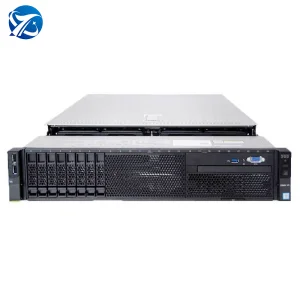
For operations in Santa Fe, Polanco, and the expanding industrial developments around Toluca and Tepotzotlán, xFusion servers provide the ultimate combination of processing dense datasets and low-latency throughput. Coupled with Chinese supply chain efficiency from Bexora AI Systems (China) Co., Ltd., we deliver robust solutions bridging custom OEM/ODM manufacturing directly to Mexican enterprise doors.
Designed to operate seamlessly at Mexico City’s high altitude (2,240m above sea level) with enhanced smart cooling algorithms and high-reliability PSUs.
Fully compliant with Mexico's safety regulations (NOM-019-SCFI-1998) ensuring seamless customs clearance and hassle-free data center deployment.
Key challenges faced by systems integrators in the CDMX valley and how our xFusion servers resolve them:
Standard high-load 1500W to 2000W redundant PSUs configured with 80 Plus Platinum/Titanium certifications, minimizing electrical losses under industrial fluctuation.
Equipped with high RAM capacity (up to 32 DIMMs, 64GB+ modules) supporting VMware ESXi, Proxmox, and OpenStack clusters for financial sector segmentation.
Automotive assembly lines in State of Mexico leverage GPU-optimized setups for AI-driven QA testing and inventory orchestration.
An analytical evaluation of the Intel Xeon Scalable Gen 2 (V5) and Gen 3 (V6) architecture engineered for extreme throughput.
Hyperconverged systems, such as the xFusion 2288H V6, incorporate server virtualization, software-defined storage, and unified management. This eliminates legacy SAN/NAS bottlenecks and provides instant deployment capabilities for scale-out clouds.
Operating servers at high-altitude CDMX data centers requires efficient heat dissipation. Advanced thermal engineering isolates memory and GPU channels, dynamically adjusting fan duty cycles using digital temperature sensor arrays.
Equipped with cryptographically signed firmware, trusted platform module (TPM 2.0), and silicon root of trust. This ensures that unauthorized code cannot compromise server execution paths during boot or runtime stages.
| Server Model Series | Processor Architectures | Max Storage Capacity Options | Network Interfaces | Best Target Application |
|---|---|---|---|---|
| xFusion FusionServer V5 (e.g., 2288H V5) | 2nd Gen Intel Xeon Scalable Processors | 12x 3.5" or 8x 2.5" SAS/SATA/SSD Drives | OCP 2.0 NIC slots, Dual 10GbE / 1GbE ports | Legacy App Hosting, Mid-size databases, Web infrastructure |
| xFusion FusionServer V6 (e.g., 2288H V6, 1288H V6) | 3rd Gen Intel Xeon Scalable Processors | 20x 2.5" or 12x 3.5" Drive, NVMe SSD supported | OCP 3.0 NIC slots, supports high bandwidth InfiniBand/FCoE | High Performance Computing, Hyperconverged Clouds, AI Inference |
| xFusion FusionServer V6 4-Socket (e.g., 2488H V6) | 3rd Gen Intel Xeon Scalable (4-Socket structure) | 25x 2.5" SAS/SATA/NVMe SSD Drives | High density PCIe expansion cards, up to 100GbE / 200GbE cards | Large scale databases, high density virtualization, heavy SAP HANA |
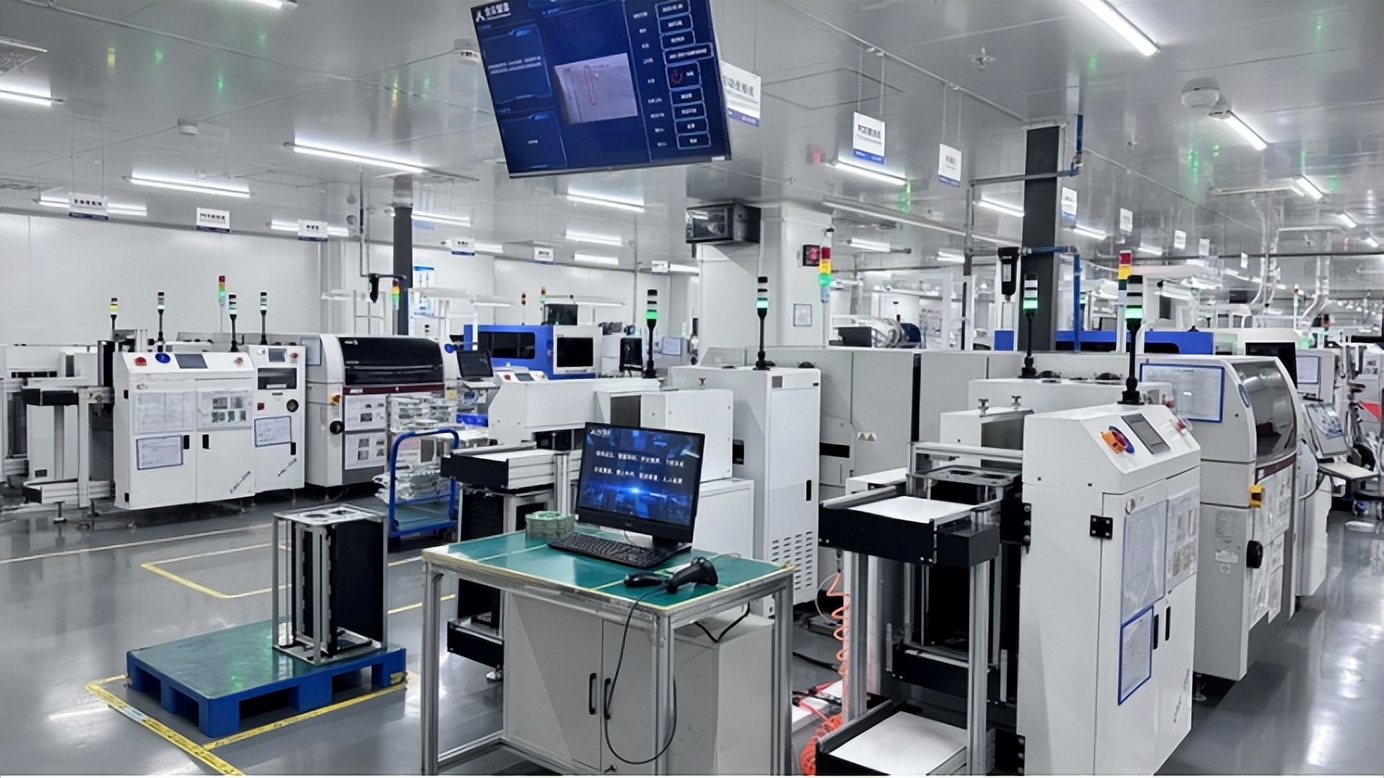
As a key supply chain partner and master exporter, Bexora AI Systems (China) Co., Ltd. integrates state-of-the-art server chassis manufacturing, memory layout integration, and high-performance component sourcing. Spanning an 18,600 square meter ISO-certified manufacturing layout, our facility ensures maximum supply chain resilience.
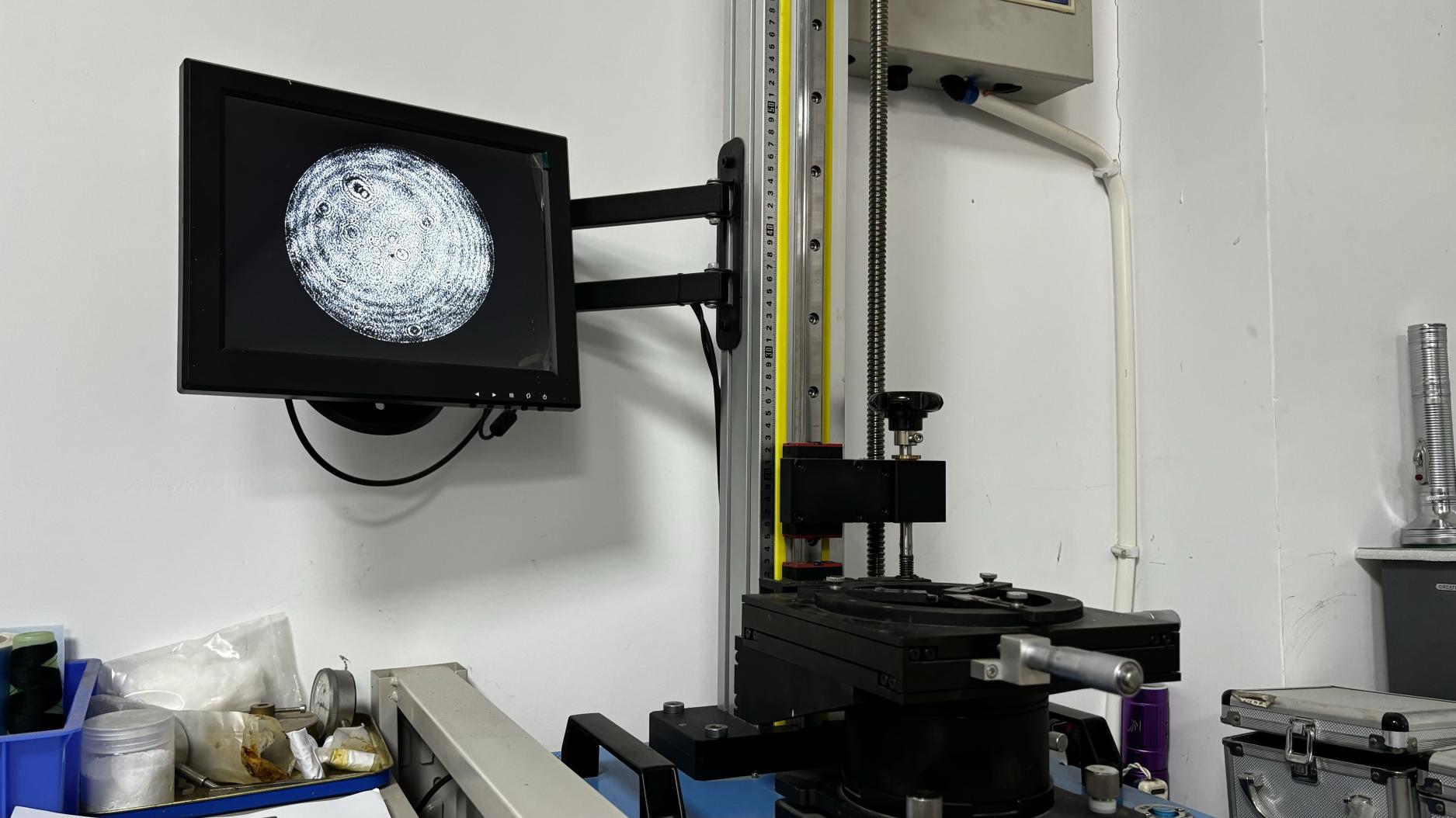
Every single server system built for export undergoes an extensive 100% full inspection and reliability testing workflow before shipment. We validate physical connections, perform automated optical inspections (AOI), subject all motherboards to thermal chamber burn-in routines, and conduct complete virtualization and compute system simulation tests under extreme loads.
Providing component validation, system level diagnostic sweeps, and firmware verification to secure long-term deployment viability.
Providing direct access to GPU platforms, DDR4/DDR5 modules, specialized PCIe expansion systems, and complex thermal dynamics hardware.
Ensuring hardware leaves the assembly line with near-zero failure rates:
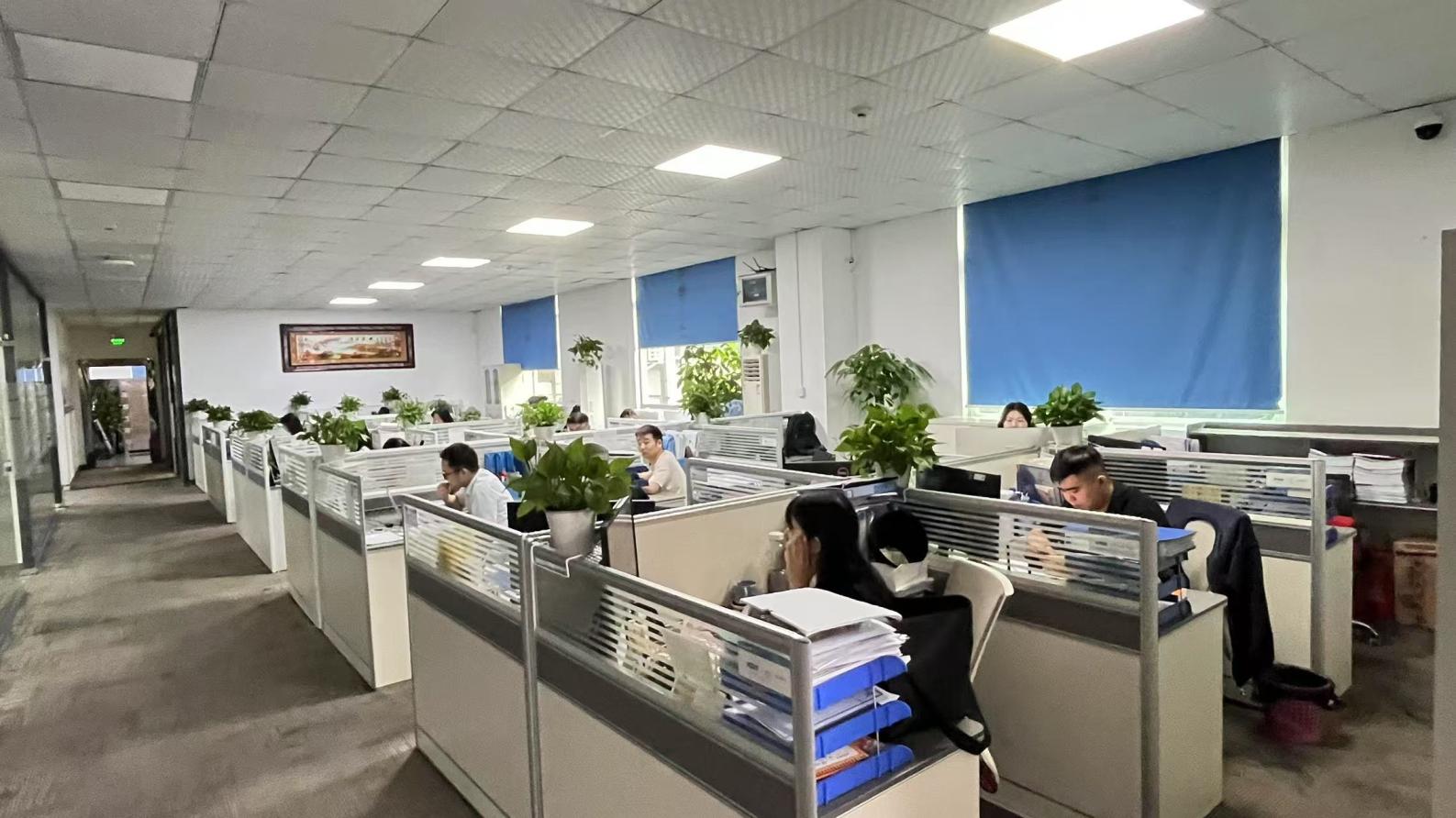
Inside our advanced China production plant: where compute power is built, tested, and optimized for world markets.
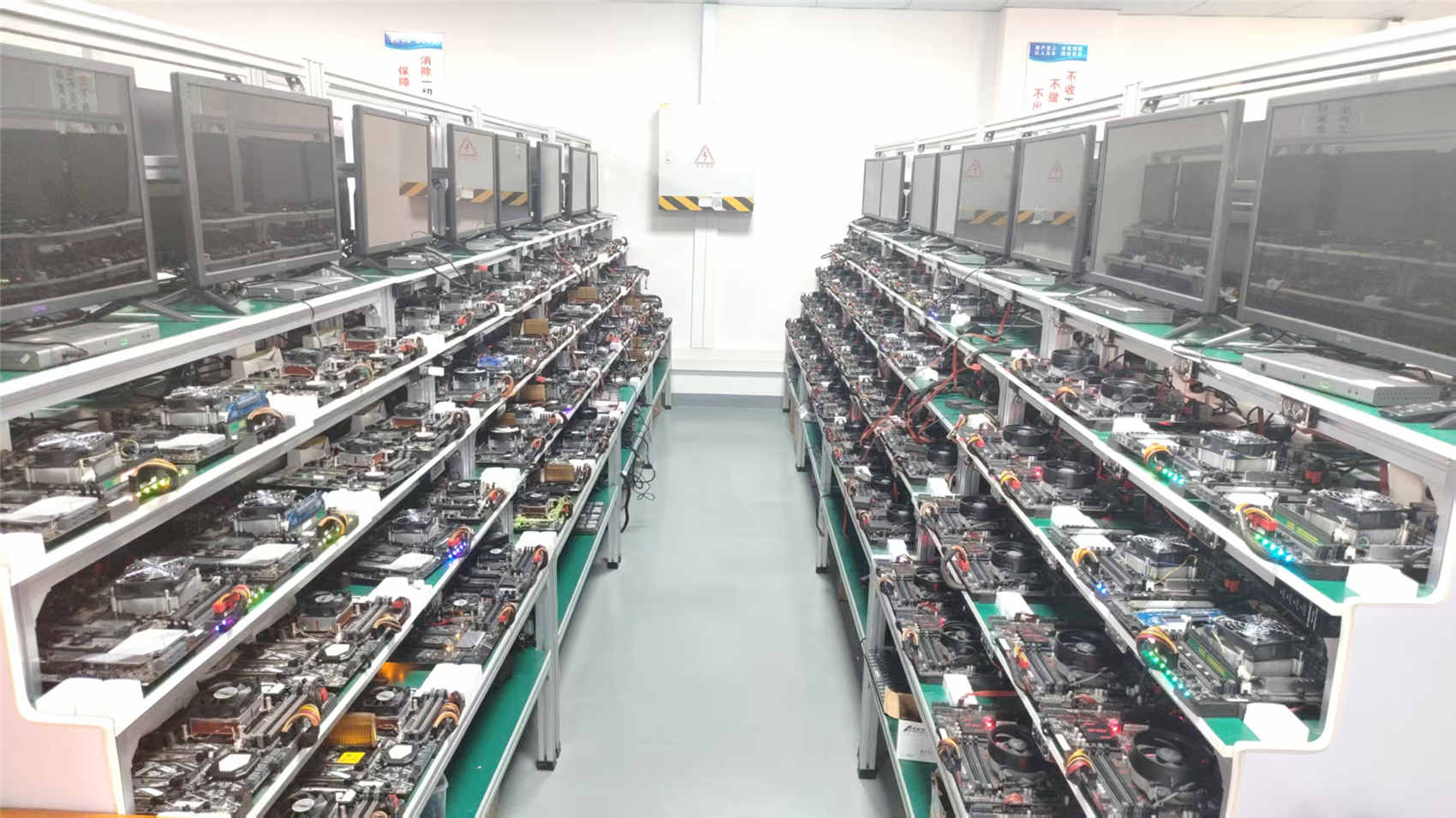

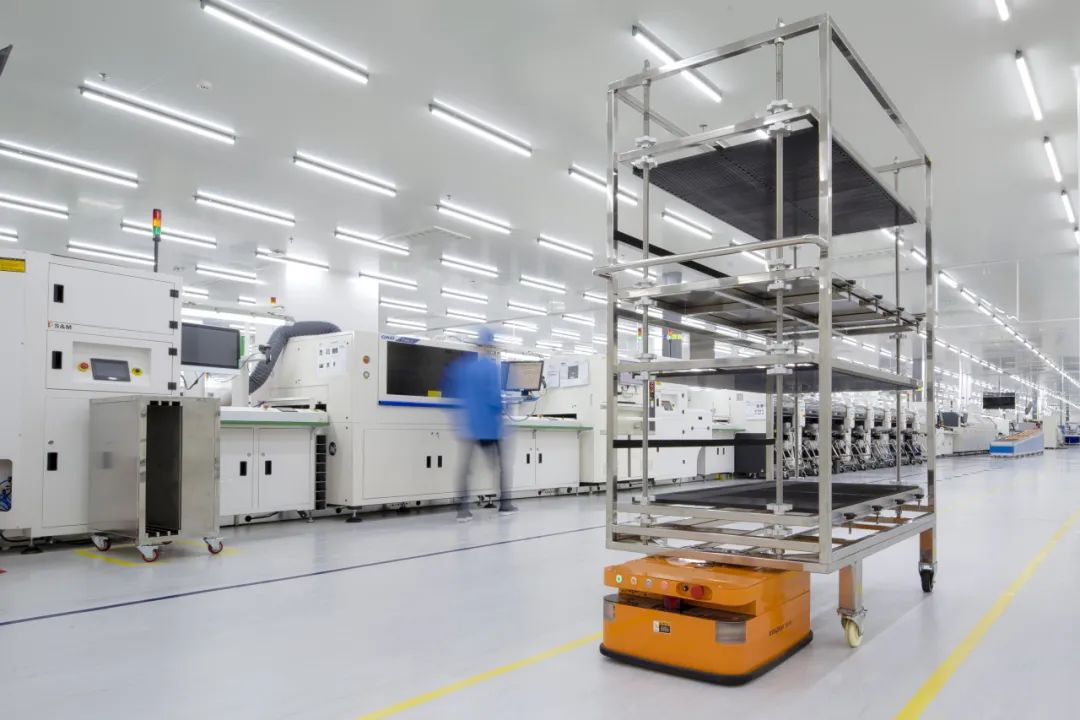

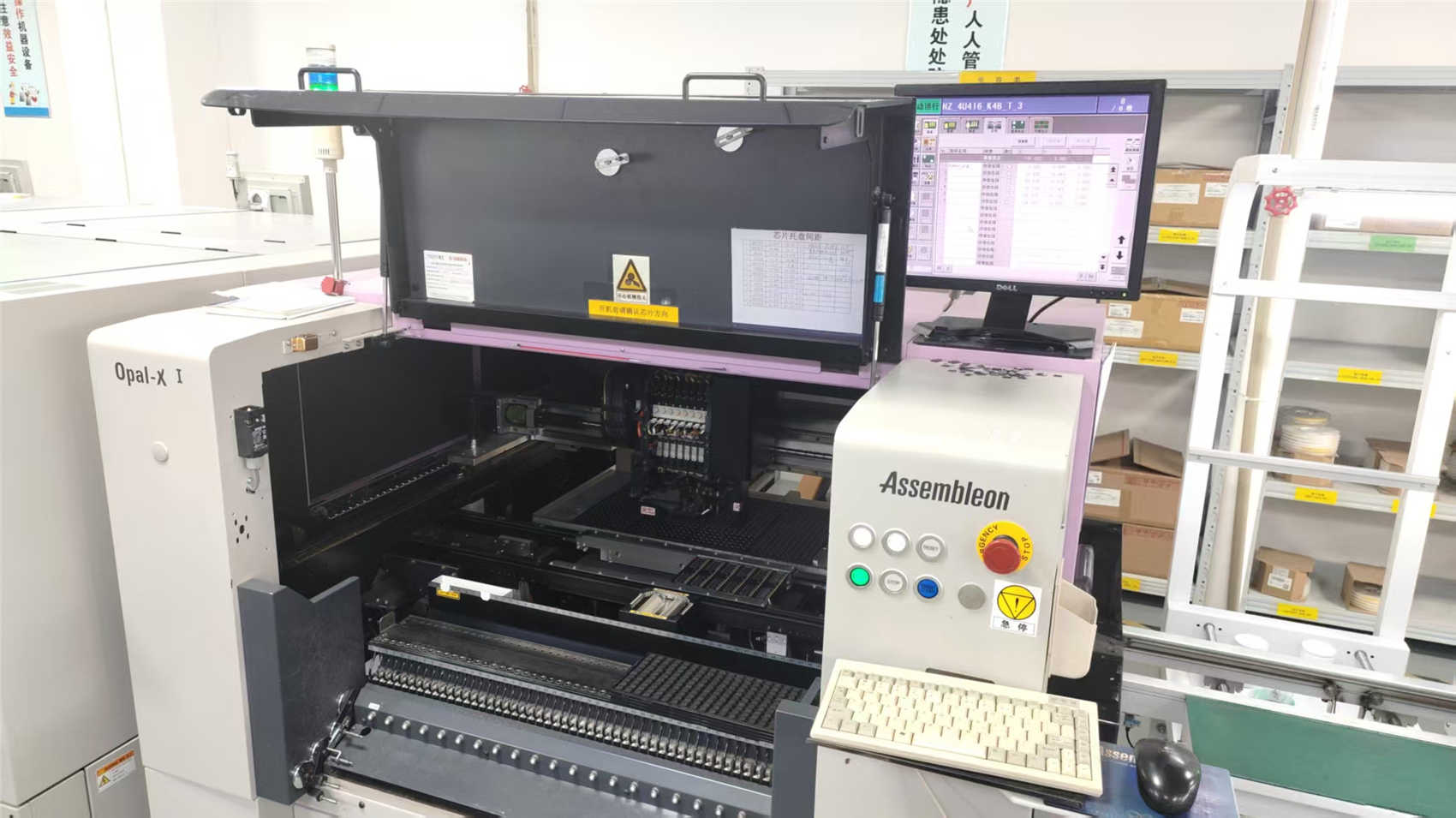
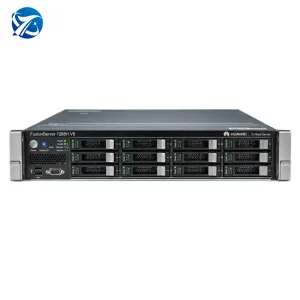
Retain full compatibility with your standard enterprise setups. Explore complete technical specifications below.
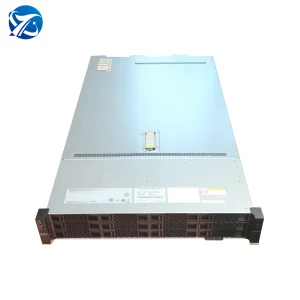
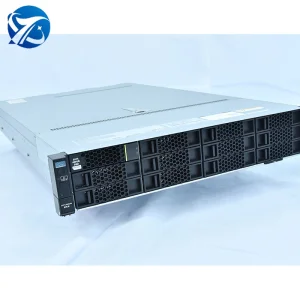
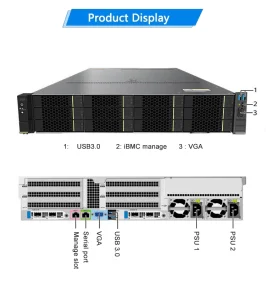
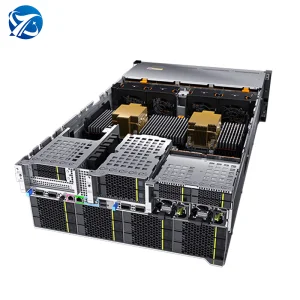
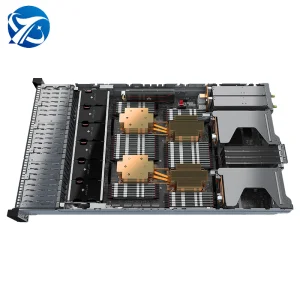
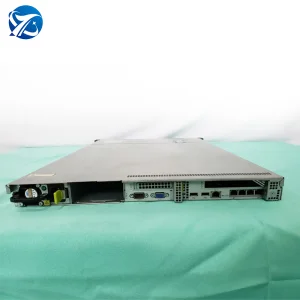

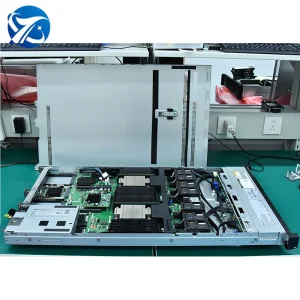
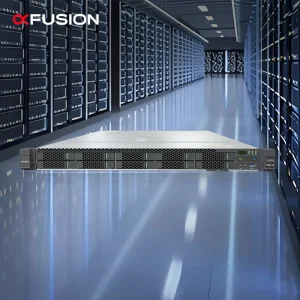
How Bexora simplifies international shipping, custom clearances, and physical hardware deployment across Mexico.
Utilizing direct export lanes from Chinese ports (Shenzhen/Shanghai) to major Mexican entry points including Manzanillo and Lázaro Cárdenas, reducing transport latency.
Bexora coordinates the necessary paperwork (Commercial Invoices, Certificates of Origin, NOM declarations) to clear customs fast without demurrage fees.
Available tier-based hardware warranty agreements with local parts dispatch in Mexico City, ensuring high system uptime for mission critical services.
From specialized chassis structures to customized GPU topologies, we build bespoke enterprise setups for cloud service providers and AI research facilities.
Send Inquiry NowExpert answers regarding importing, deploying, and maintaining xFusion server platforms within Mexican data center environments.
Yes. Every export-bound xFusion server configuration can be certified to meet NOM (Normas Oficiales Mexicanas) standards, specifically NOM-019-SCFI-1998, which ensures electrical and electronic data safety. This guarantees seamless integration into public or private datacenters across Querétaro, Valle de México, and Monterrey.
Mexico City is located at an altitude of approximately 2,240 meters, resulting in lower air density. Because lower air density reduces thermal cooling efficiency, our systems feature intelligent fan PID algorithms. These algorithms dynamically adjust to altitude-affected ambient environments, preventing thermal throttling while keeping PUE indexes low.
Air shipping typically takes 7 to 10 working days, including basic customs clearance, which is ideal for urgent compute upgrades. Ocean freight via standard container systems takes approximately 25 to 35 days, arriving at the ports of Manzanillo or Lázaro Cárdenas before being distributed by truck to CDMX warehouse hubs.
Absolutely. As an industry-leading OEM/ODM manufacturer with 160+ R&D engineers, we can customize hardware specifications, design custom chassis graphics, pre-configure BIOS firmware with specific thermal policies, and deploy specialized networking interfaces (OCP 3.0, 100G InfiniBand/FCoE) based on your target cloud workloads.
Before shipping, every system goes through a rigorous quality control program, which includes: Automated Optical Inspection (AOI) of the PCB, thermal stress profiling in environmental chambers, 72-hour system burn-in diagnostics under maximum compute loads, and full firmware validation (checking compatibility with virtualization platforms like ESXi, Windows Server Hyper-V, and Linux KVM).
Yes. Models such as the FusionServer 2288H V6 and 2488H V6 offer multi-slot PCIe Gen 4 expansion ports. This design allows them to host dual-slot GPU accelerators, making them ideal for machine vision, industrial QA on automotive assembly lines, and local natural language processing (NLP) applications.
We offer structured warranty levels tailored to enterprise customer demands. For critical compute clusters, we partner with regional parts distribution networks in the CDMX metro area to maintain an inventory of standard components, including power supply units (PSUs), memory sticks, hot-swap fans, and storage drives.
The nearshoring wave is driving global manufacturers to set up local operations in Mexico. This shift increases the demand for local databases, ERP execution servers (like SAP HANA), and edge processing systems. xFusion rack servers provide these new facilities with the high-reliability infrastructure they need to integrate seamlessly with global supply networks.