Bexora
Bexora
Bexora
Industrial-grade components optimized for high-performance scale-up deployment.
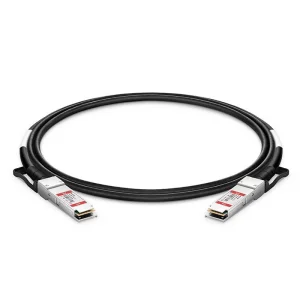

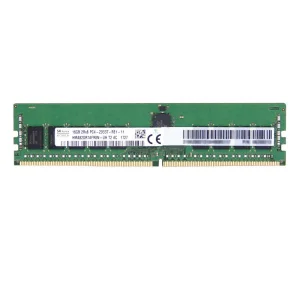
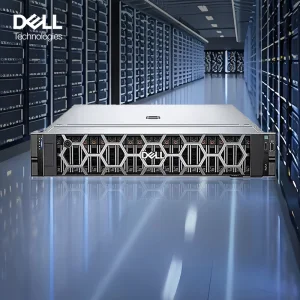
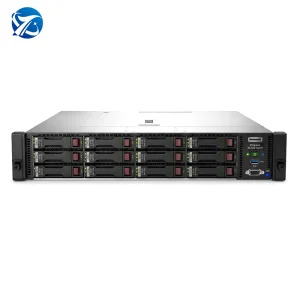
In the era of hyper-scale cloud computing, large language model (LLM) training like DeepSeek, and high-density virtualization, the demands on memory architecture have shifted dramatically. Once a auxiliary spec, memory bandwidth and capacity are now the primary engineering bottlenecks of the AI generation.
The global transition from DDR4 to DDR5 SDRAM brings crucial enhancements—including on-die ECC (Error Correction Code), independent dual 32-bit subchannels, and integrated PMIC (Power Management Integrated Circuit) architectures directly on the DIMM module. These technologies drastically lower latencies while boosting efficiency. As enterprise architectures deploy platforms powered by next-generation Intel Xeon and AMD EPYC processors, finding robust sourcing pipelines in China for server RAM and system integration is vital to scaling compute efficiency.
Global procurers frequently encounter volatility in DRAM chip spot prices, long manufacturing lead times for validated ECC modules, and compatibility integration hurdles in customized rack server deployments. Mitigating these issues requires working directly with established, integrated manufacturers in key assembly clusters.
Unparalleled supply chain integration, rigorous verification processes, and cost efficiency.
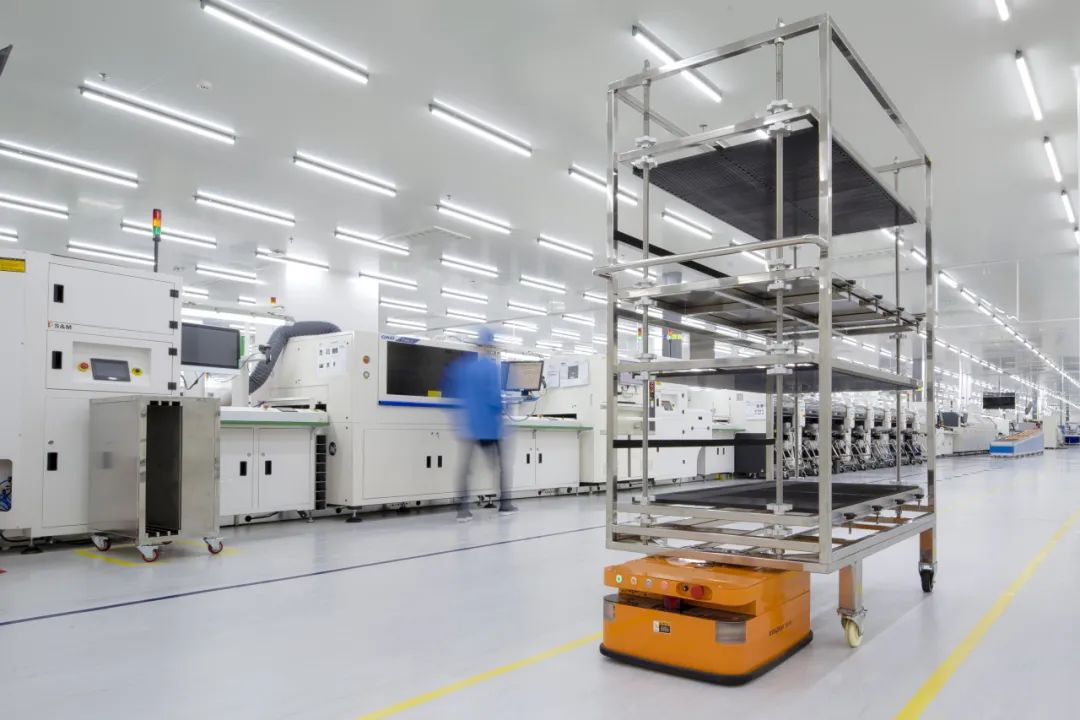
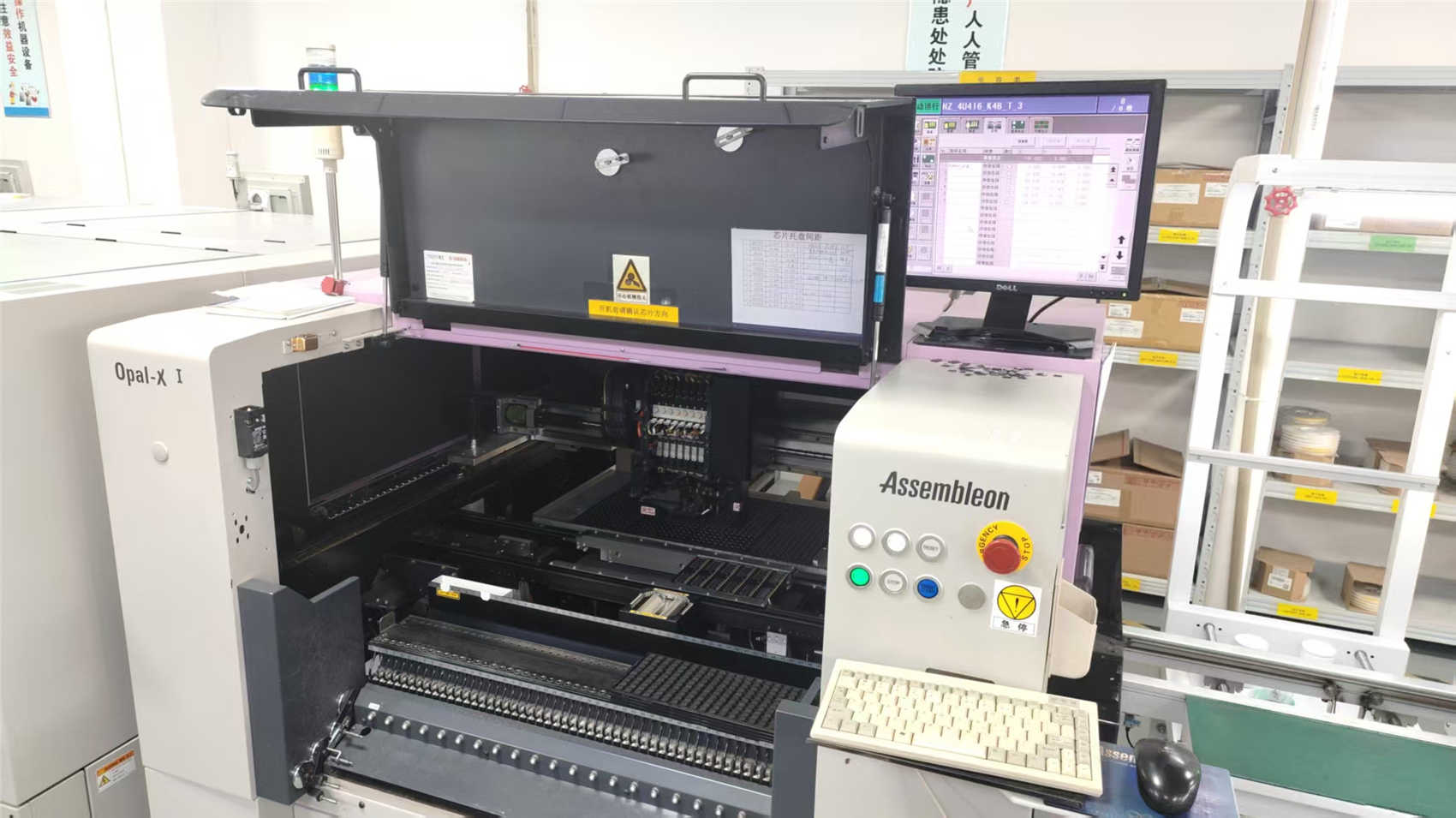
China hosts the world's most dense cluster of upstream semiconductor packaging partners and downstream chassis, power supply (PSU), and networking PCB manufacturers. This close proximity reduces raw component transit latency, enabling manufacturers to rapidly adapt and scale production.
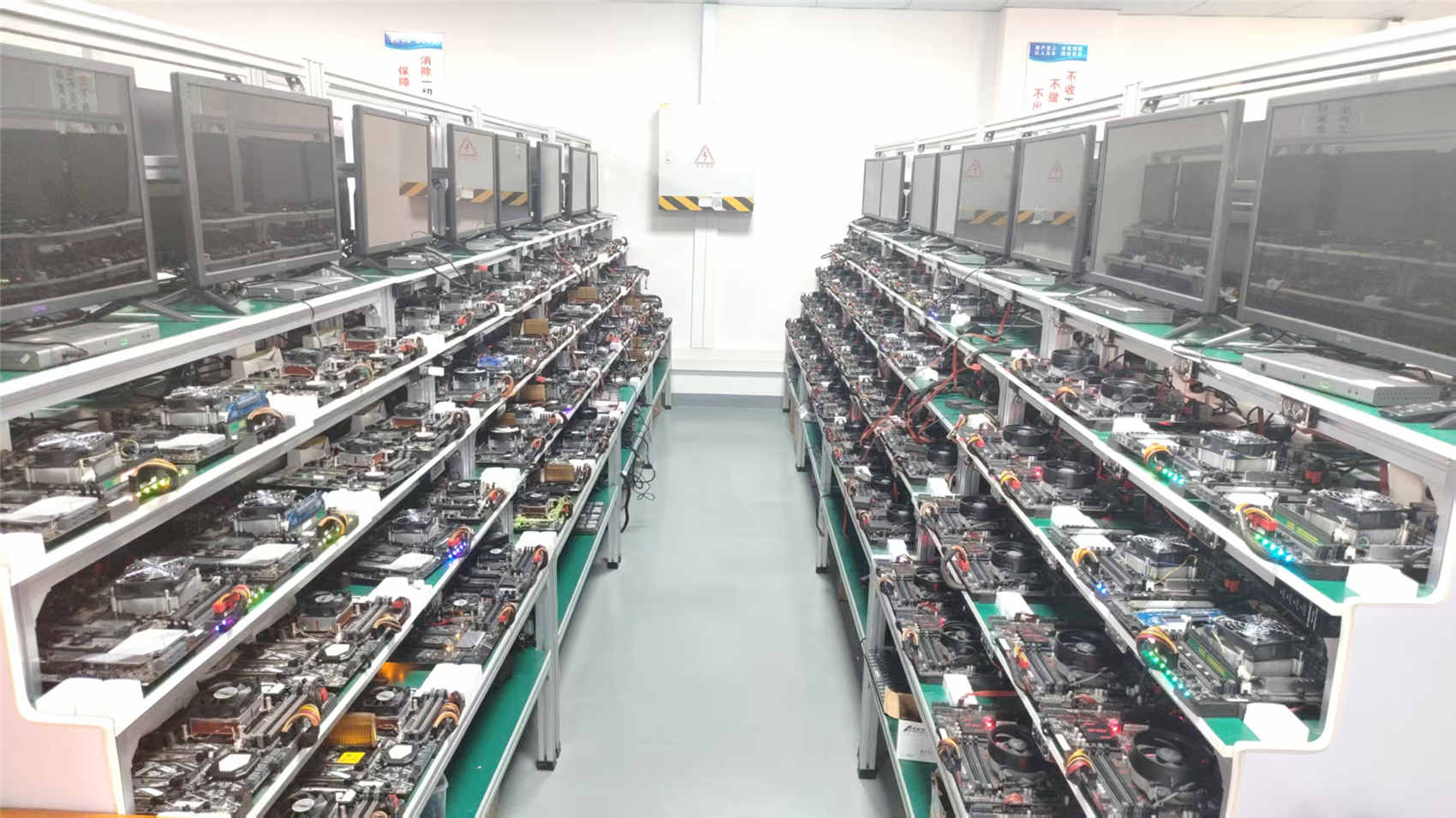
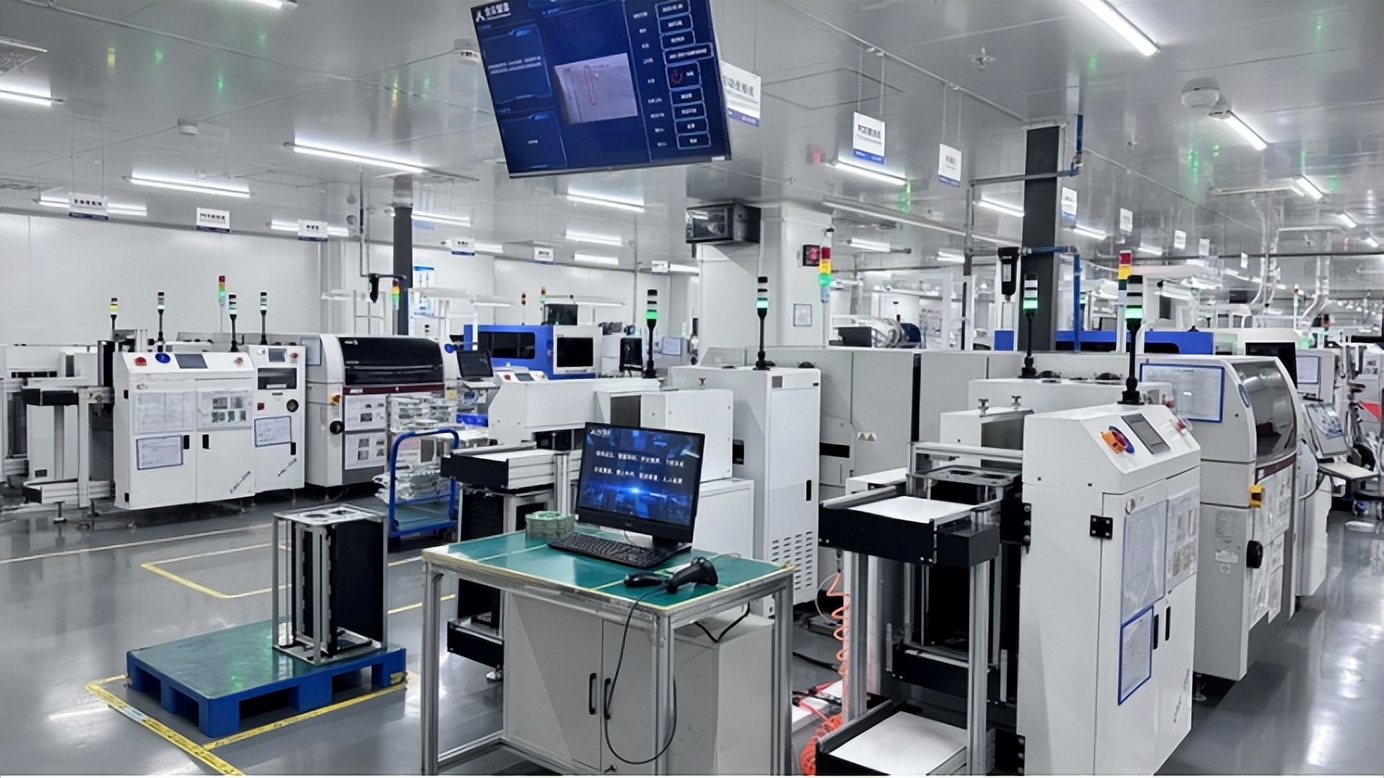
Modern Chinese server factories enforce rigorous validation standards. Modules undergo extensive thermal chamber runs, real-world hypervisor virtualization loads, and stress simulation testing to ensure compliance with enterprise-grade MTBF (Mean Time Between Failures) parameters.
Factories leverage dedicated hardware engineering teams to modify firmware BIOS settings, implement customized SPD (Serial Presence Detect) configurations, design custom heatsinks, and deliver bespoke memory architectures optimized for high-performance servers.
Established B2B enterprise supplying high-density compute systems and memory solutions to global markets.
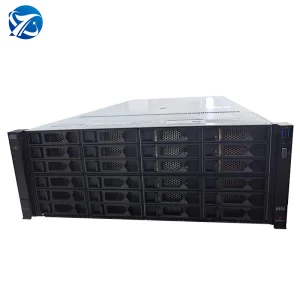
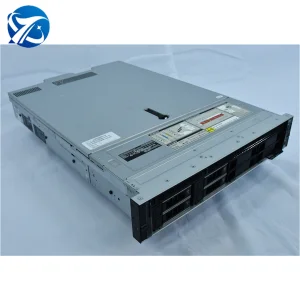
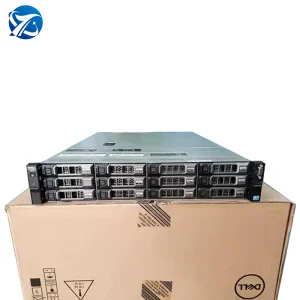
Bexora is a professional AI GPU server and high-performance computing infrastructure manufacturer based in China, specializing in scalable compute systems for AI training, inference, and data center deployment. Through close integration with premium manufacturing networks and a global B2B orientation, Bexora services high-demand markets across North America, Europe, Southeast Asia, and the Middle East.
With 7 years of export experience and a robust base of approximately 860 upstream and downstream partners, Bexora delivers critical supply chain support for GPU sourcing, server chassis manufacturing, networking components, and advanced thermal cooling system integrations.
Our dedicated R&D Engineering Team of 160 engineers specializes in hardware design, system integration, and AI infrastructure optimization. In the last year alone, Bexora launched 120 models and product iterations, helping AI startups, cloud service providers, research institutions, and enterprise data centers maintain their competitive edge.
How we guarantee maximum stability and performance under extreme AI workloads.
Operating system stability under high-density computing conditions depends on the resilience of the system memory. Bexora implements a 45-professional Quality Control Team to oversee a multi-stage testing pipeline:
We blend 100% full inspection on critical operational components with random sampling reliability testing. This dual-layer QA process guarantees system stability and long-term performance under demanding high-load AI workloads.
Deploying high-performance memory and computing nodes across next-gen infrastructure.
Enterprise clouds require high-density memory pools (RDIMMs) to handle thousands of concurrent tenant virtual machines (VMs). System memory stability directly impacts SLA metrics, making high-reliability server memory sourcing key for modern data centers.
Executing LLM architectures like DeepSeek requires rapid parameter swapping. Deploying multi-channel DDR5 server memory alongside state-of-the-art AI GPU servers minimizes latency and avoids compute execution bottlenecks.
Modern servers generate significant thermal output. Integrating liquid-cooled systems with high-density server memory helps run systems efficiently at lower operating temperatures, maximizing hardware lifespan.
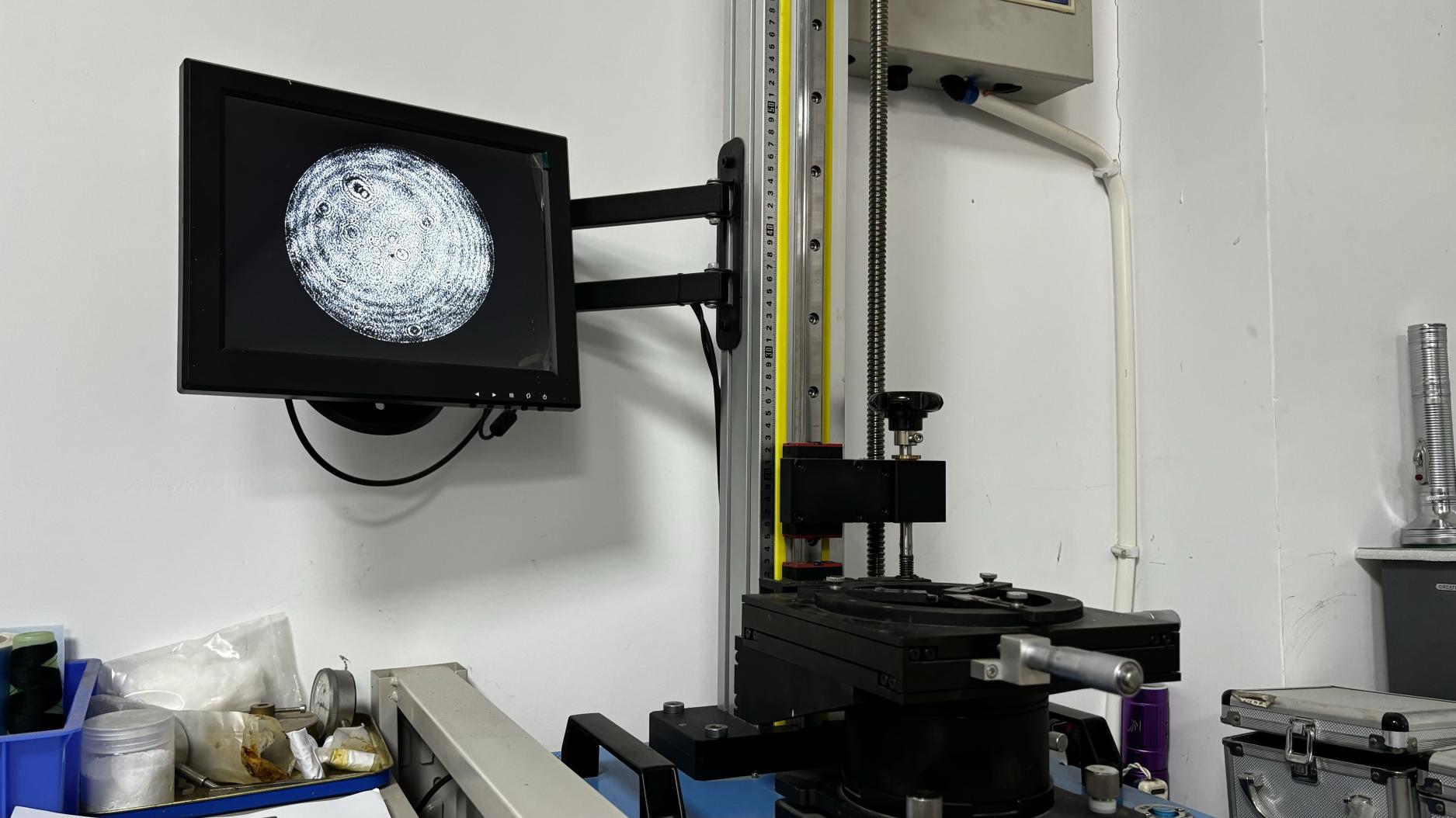
Take a look inside our high-tech manufacturing, testing facilities, and warehouse center.



When managing international B2B sourcing pipelines for server memory and high-performance computing systems, procurement teams should evaluate:
Technical insights and answers to typical questions in server memory sourcing.
RDIMMs (Registered DIMMs) buffer the command and address lines to reduce electrical load on the system memory controller. LRDIMMs (Load Reduced DIMMs) buffer both the command/address lines and the data lines, allowing systems to support much higher overall capacities and speeds per memory channel.
DDR5 doubles the bandwidth capabilities, features lower operational voltage (1.1V vs 1.2V), and integrates on-die ECC. It also uses on-module Power Management ICs (PMICs), giving the system motherboard cleaner power delivery and superior signal integrity during massive computational training steps.
Burn-in testing stresses the silicon under elevated thermal profiles to accelerate potential manufacturing weaknesses. This filters out early-stage failures prior to deployment, ensuring only reliable modules reach enterprise operations.
We offer full OEM/ODM services, including customized server chassis structures, flexible GPU arrangements, liquid cooling integrations, and specialized BIOS firmware tuning to fit custom client system configurations.
Expand your data center scale with high-performance networking, server components, and enterprise servers.