Bexora
Bexora
Bexora
In modern enterprise environments, virtualization has transitioned from basic resource consolidation to complete Software-Defined Data Centers (SDDC). The deployment of virtualization solutions—encompassing Hyper-Converged Infrastructure (HCI), bare-metal orchestration, Virtual Desktop Infrastructure (VDI), and containerized virtual micro-services—places immense demands on server hardware. For systems to host multiple virtual machines (VMs) and multi-tenant nodes reliably, hardware platforms must offer high-density computational power, elastic I/O bandwidth, low-latency memory architectures, and thermal reliability under sustained compute loads.
Modern servers utilize advanced CPU virtualization technologies (Intel® VT-x and AMD-V™) to offload hypervisor task management from software straight onto the silicon layer. This drastically mitigates virtualization overhead, ensuring near-native speeds for critical virtual environments.
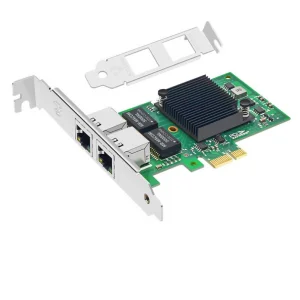
Single Root I/O Virtualization (SR-IOV) bypasses the standard hypervisor virtual switch by partitioning a physical network adapter into multiple Virtual Functions (VFs). This decreases latency and increases bandwidth throughput across highly demanding workloads.
Sourcing computing hardware optimized for virtualization from manufacturers in China offers global enterprises key competitive and logistical advantages. The combination of comprehensive upstream raw component ecosystems and advanced structural design ensures faster time-to-market and enhanced TCO (Total Cost of Ownership).
Chinese factories are situated in immediate proximity to the world's leading semiconductor packaging facilities, PCB fabricators, and custom chassis tooling shops. This allows vendors like Bexora to quickly source high-speed DDR5 memory, PCIe Gen 5 controller chips, and advanced multilayer backplanes with minimal lead times. The resulting systems are built to maximize memory-channel routing, enabling high VM densities per unit of rack space.
Virtualization servers running constant high workloads produce concentrated heat zones, especially when packing multiple dual-socket CPUs or high-power GPUs in 1U or 2U configurations. Chinese R&D engineering teams possess extensive expertise in liquid cooling manifolds, high-flow counter-rotating fan walls, and custom heat sink designs. These structural designs maintain CPU and memory temperatures well within optimal limits, preventing thermal throttling and safeguarding system uptime.
Enterprise virtualization setups are rarely uniform. Whether requiring custom IPMI (Intelligent Platform Management Interface) firmware modifications, custom BIOS settings for hypervisor passthroughs, or unique backplane layout variations, Chinese manufacturers provide the flexibility to customize hardware at the silicon and chassis level, catering directly to complex engineering specifications.
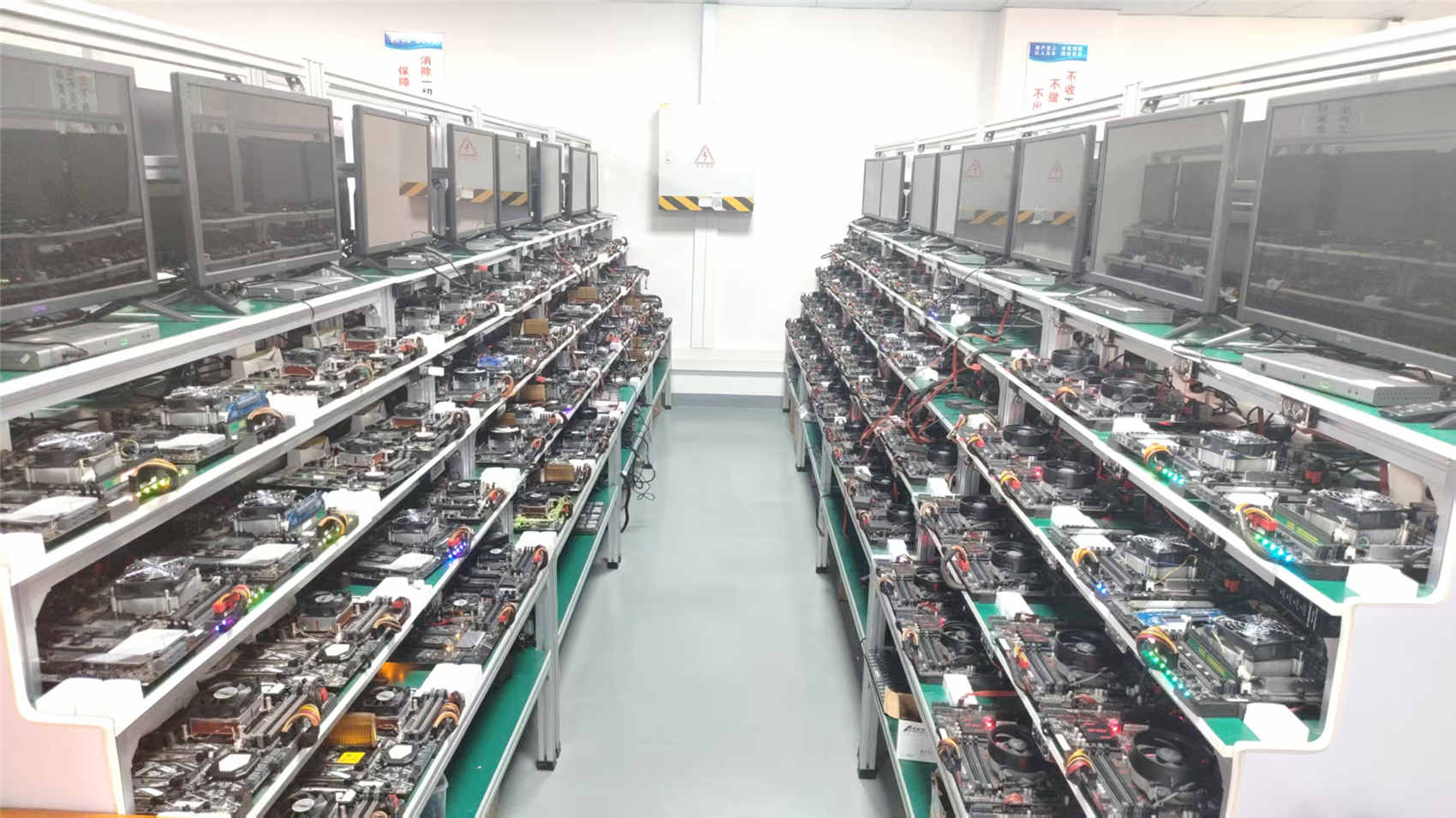
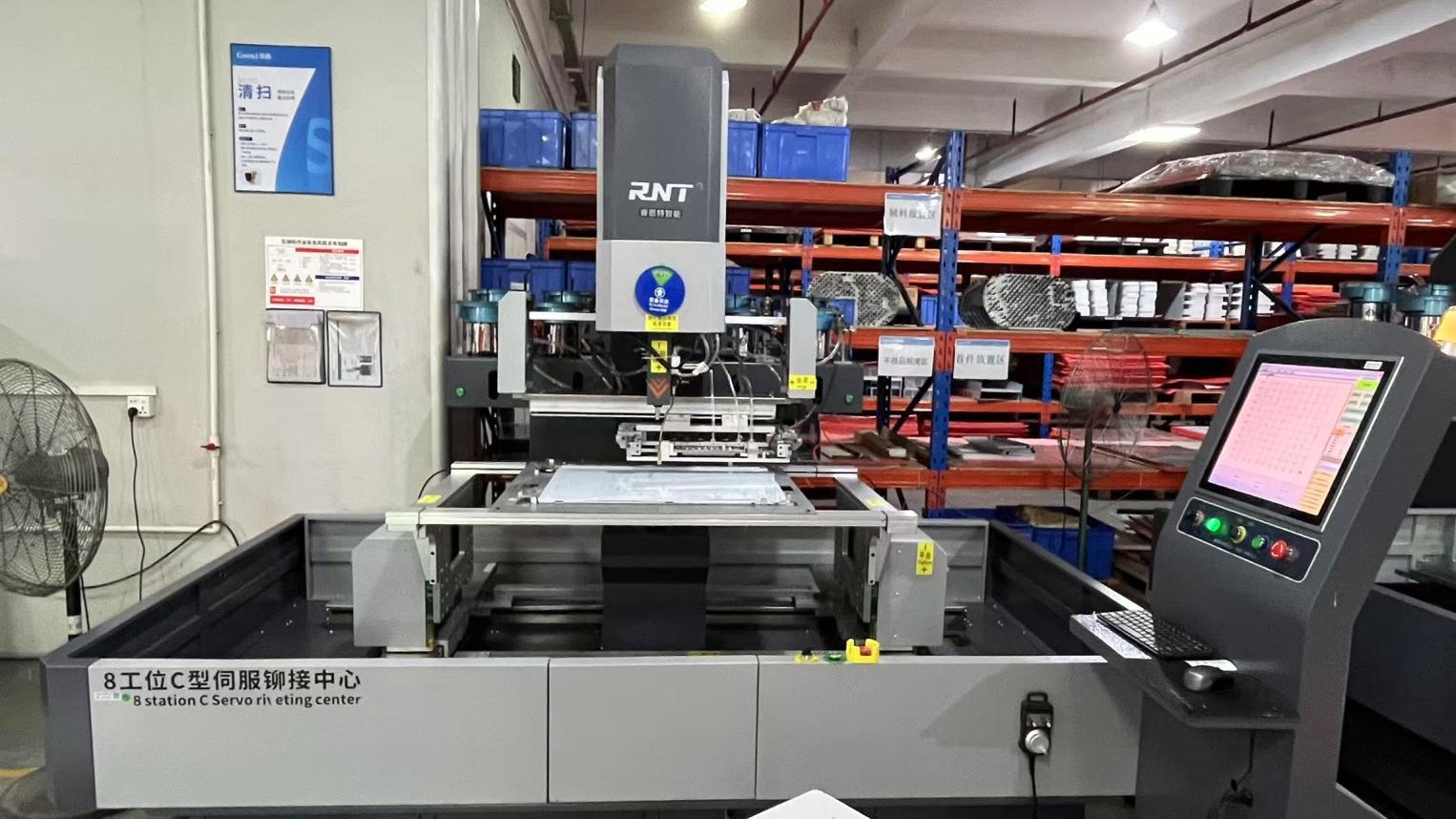
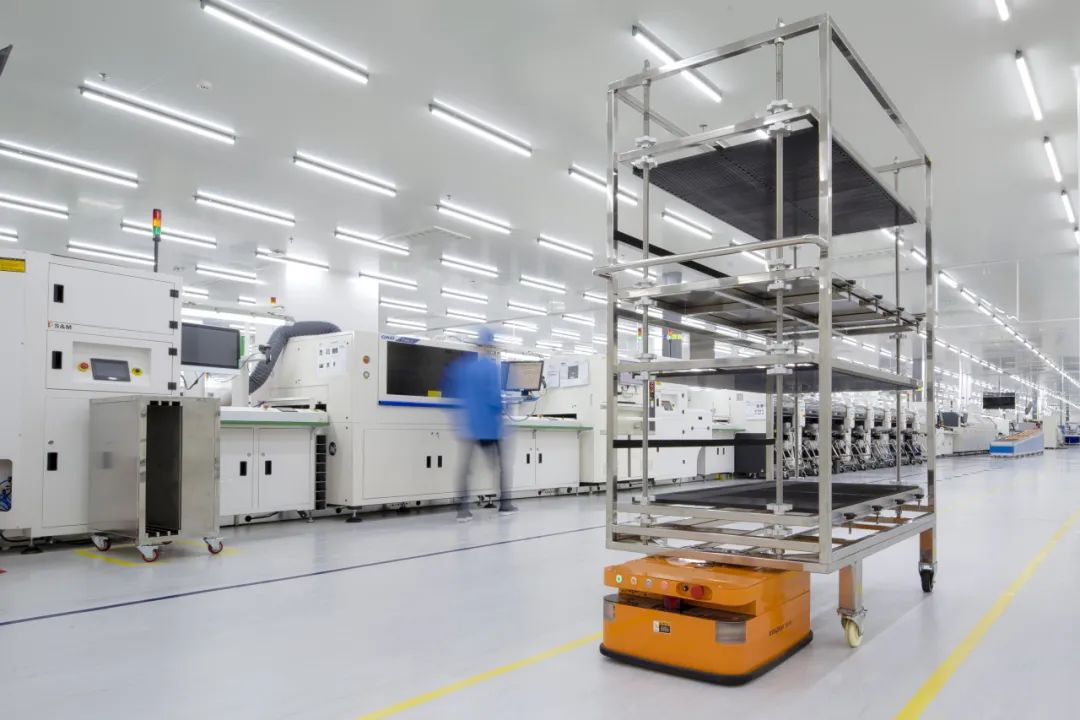
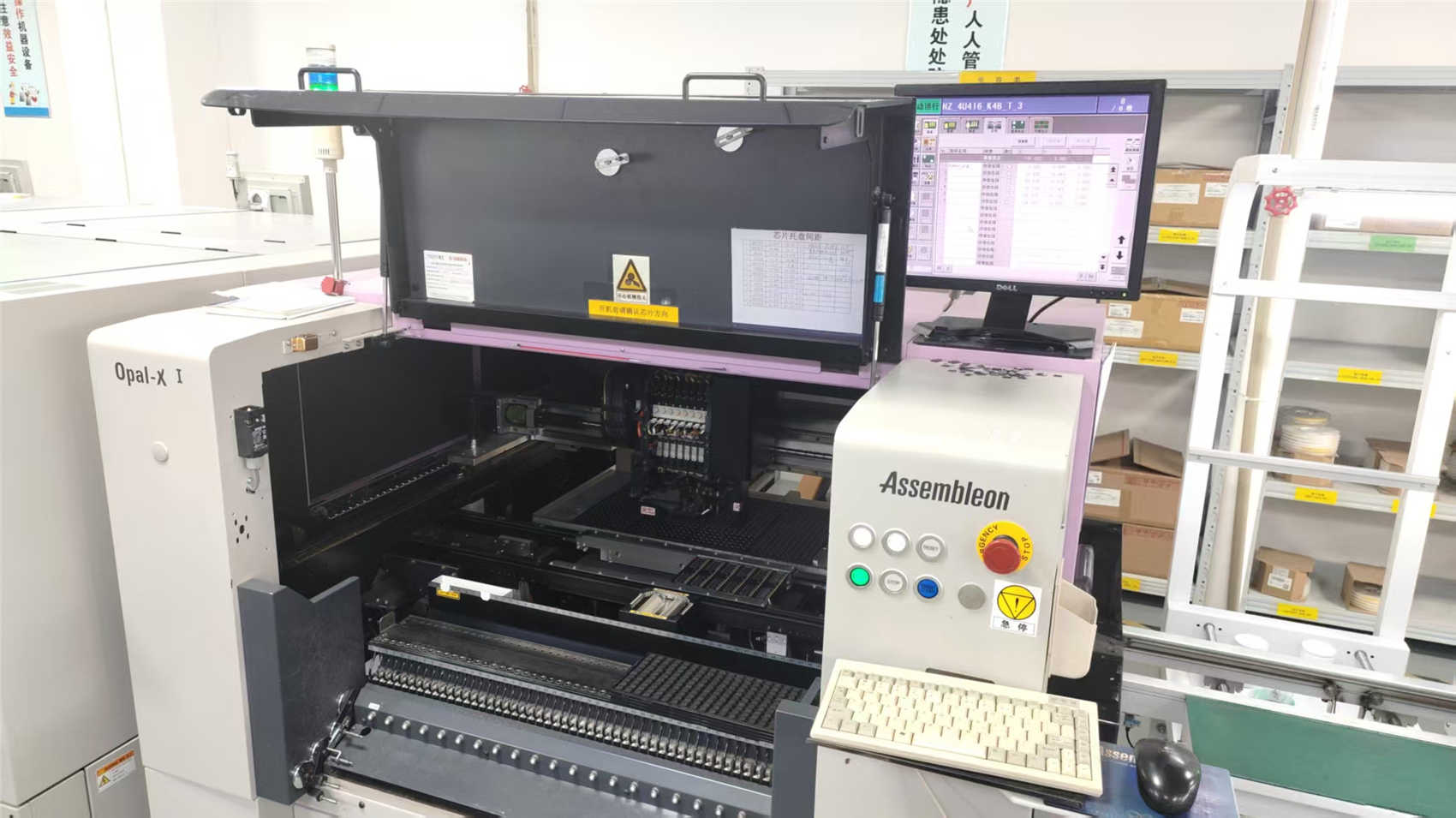
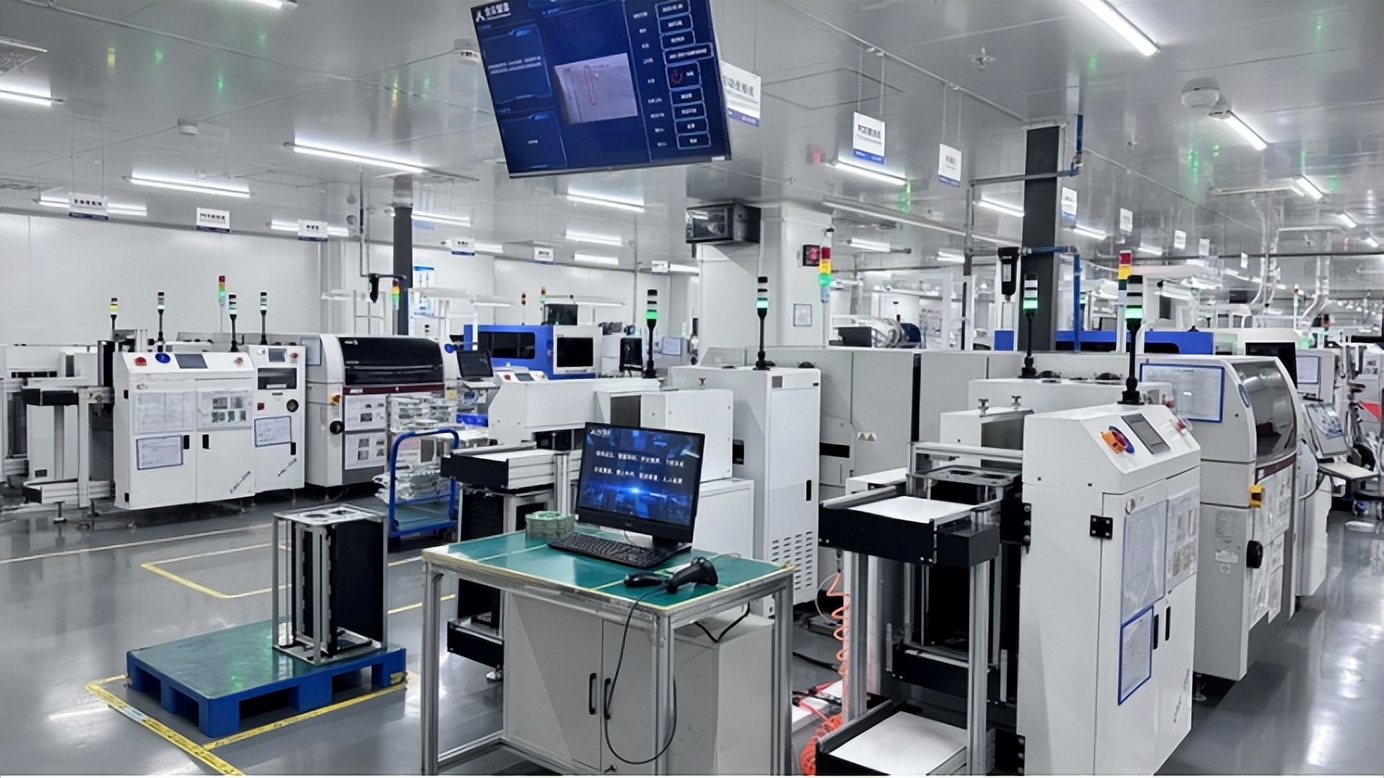
Reliability is crucial for hosting thousands of virtual environments. Leading manufacturing hubs enforce strict QA testing protocols, integrating automated optical inspections (AOI), thermal chamber stress testing, and real-time virtualization workload simulations (running ESXi, Proxmox, or KVM) before shipping products globally.
The virtualization landscape is experiencing rapid developments fueled by AI training requirements, serverless architectures, and software-defined technologies. Staying ahead requires deploying platforms built to handle these emerging trends.
Virtualizing graphic units enables multiple VMs to share a physical GPU. This is key for distributed AI inference, machine learning workloads, and virtual desktop systems running graphic-intensive software.
Smart network controllers offload virtualization infrastructure tasks (network processing, storage virtualization, security rules, encryption) from the host CPU. This frees compute resources for customer VM payloads.
Integrating large AI models like DeepSeek in enterprise systems requires virtualization clusters capable of zero-latency node interconnects, fast GPU-to-GPU bandwidth, and high-performance flash storage array integration.
Modern virtualization environments require customized physical infrastructure setups. Below are the primary application blueprints deployed by IT infrastructure architects globally:
| Application Scenario | Hardware Core Requirements | Target Optimization | Deployable Nodes |
|---|---|---|---|
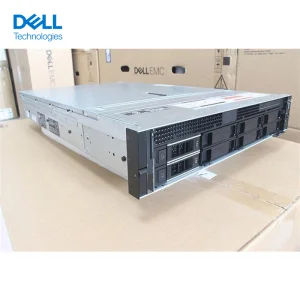
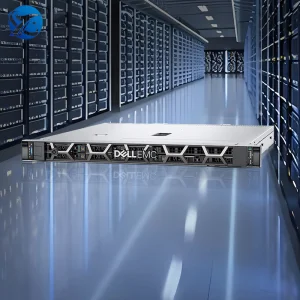
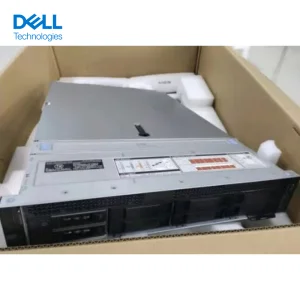
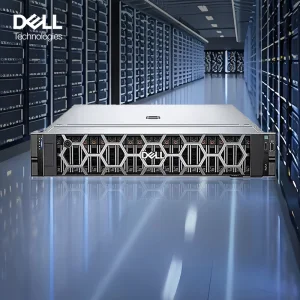
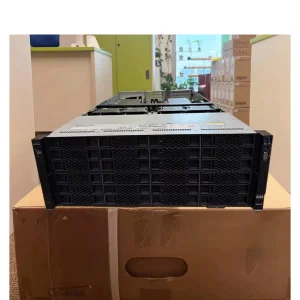
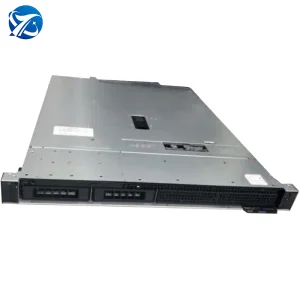
| Hyper-Converged Infrastructure (HCI) | Dual-socket Intel Xeon or AMD EPYC, high memory capacity (1TB+), NVMe storage arrays. | Zero storage-controller latency, automated replication, high VM density. | PowerEdge R670, FusionServer 2288H V5, R760XD2. |
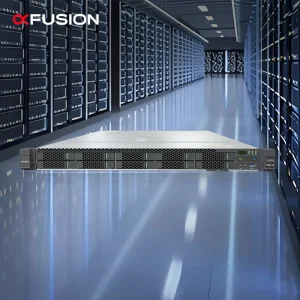
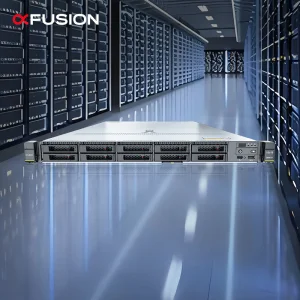
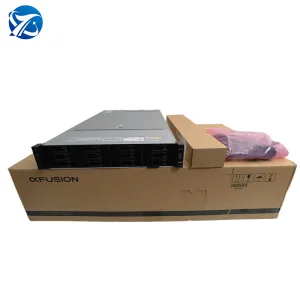
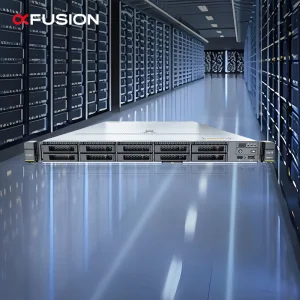
| Cloud Gaming & Edge Streaming | High-frequency CPU nodes, mid-range vGPU slicing, low-latency NICs. | Maximum frame delivery, low latency per client connection, isolated VM runtimes. | xFusion Diamond 1U Rack Game Server, 1288H V7. |
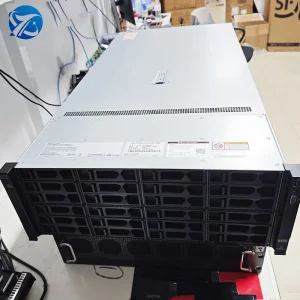
| Enterprise Private AI Clusters | Multi-GPU configurations (8-GPU racks), high-speed interconnects (InfiniBand/NVLink). | Massive parallel computation for LLM training and distributed AI inferencing. | FusionServer G8600 V7, 5885H V7, 5288 V7. |
| High-Availability NAS & Cloud Storage | High disk capacity (3.5" SAS/SATA drives), dedicated PCIe RAID controller arrays. | Data protection, high read/write speeds, deep data archiving. | FusionServer 2258 V7, PowerEdge R760, 9560-8I RAID. |
Bexora is an industry-leading B2B export-oriented AI GPU server and high-performance computing infrastructure manufacturer based in China. Founded in 2016, Bexora specializes in scalable compute solutions designed for demanding enterprise virtualization, AI training, database management, and large data center deployment workloads.
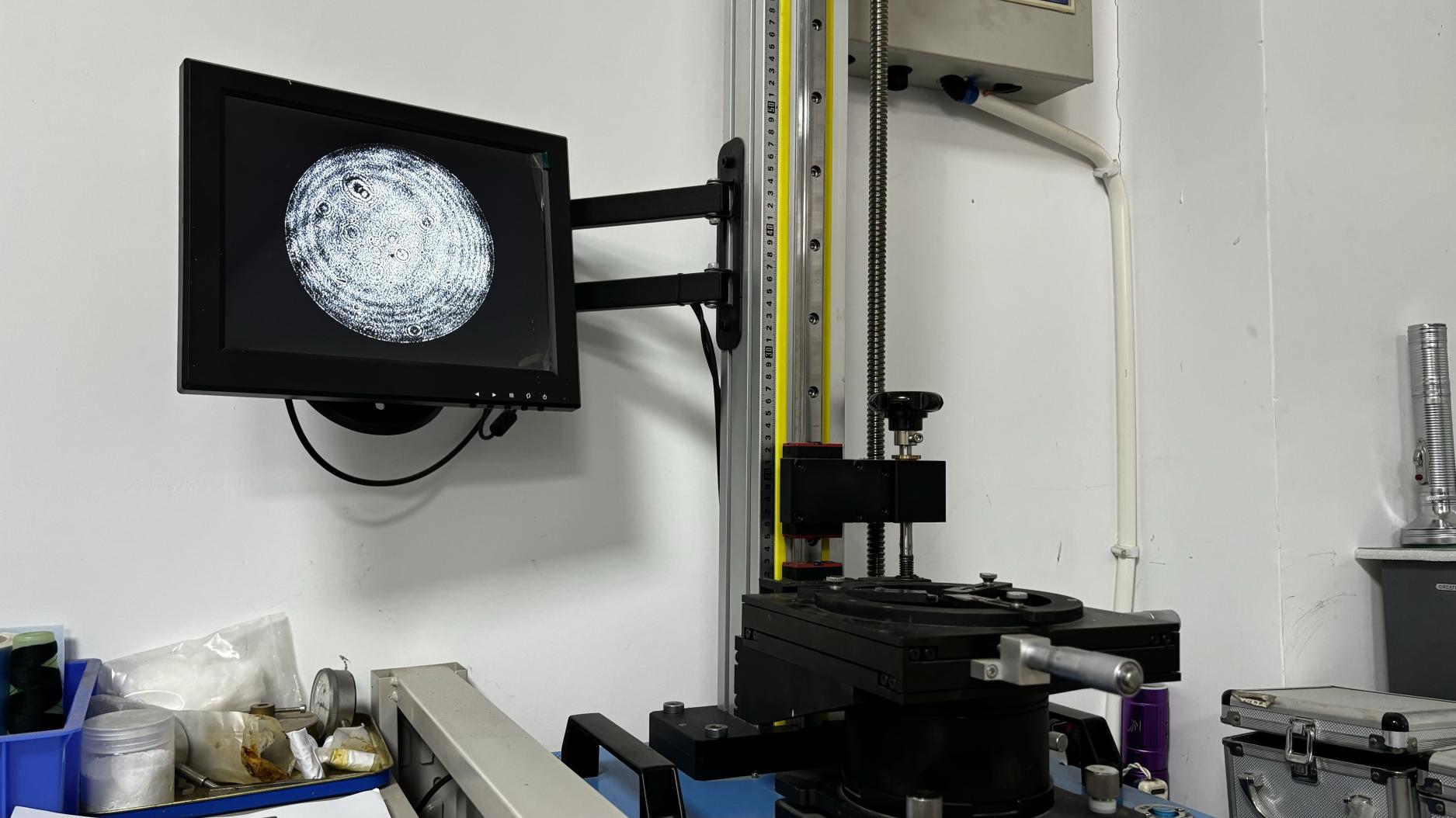
Bexora operates on a 100% full inspection combined with random sampling reliability testing strategy. This ensures every platform shipped operates under high-load virtualized configurations. The verification matrix includes:
Bexora works with a network of over 860 upstream and downstream partners. This secures component supply chains for GPUs, standard server chassis, custom backplanes, and cooling components. Serving key markets across North America, Europe, Southeast Asia, and the Middle East, Bexora supports cloud service providers, research centers, and enterprise system integrators.


When purchasing bare-metal hardware for virtualization arrays, procurement managers and CTOs must evaluate specific physical metrics alongside performance parameters. This ensures long-term operational viability and minimizes migration issues:
Virtual machines thrive on memory capacity and channel speed. Ensure systems configured with DDR5 feature populated dual-rank memory configurations across all available CPU memory channels (8-channel or 12-channel designs) to prevent performance issues during peak VM workloads.
Enterprise storage virtualization (e.g., vSAN) requires high write-endurance NVMe drives and reliable hardware RAID cards. Leveraging high-throughput RAID cards like the 9560-8I ensures high-speed data transmission and provides key caching functionality during power fluctuations.
Verify that server BIOS configurations natively support Intel VT/AMD-V virtualization extensions, SR-IOV settings, IOMMU mappings, and that target network adapter chipsets are listed on the official hardware compatibility lists (HCL) of your chosen hypervisor (such as VMware, Proxmox, Red Hat Virtualization).
Virtualization nodes consolidate hundreds of client workloads on single physical units. To prevent unexpected shutdowns, systems require redundant Titanium/Platinum certified PSUs with automated load balancing and remote power management features.