Bexora
Bexora
Bexora
High-performance configurations and scalable components optimized for modern corporate, cloud, and edge AI workloads.

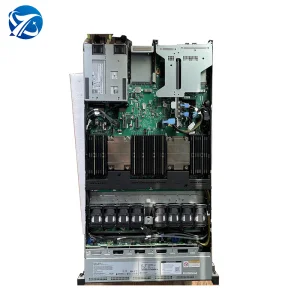
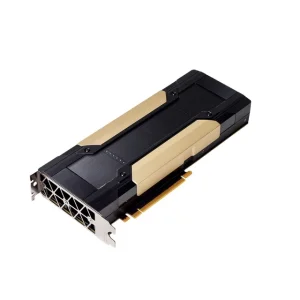

Bexora AI Systems provides hardware foundational technologies optimized for scalability, low latency, and intensive computational execution.
The transition to V7 server platforms marks a seismic architectural shift in enterprise data centers. Armed with PCIe 5.0 capabilities, DDR5 high-bandwidth memory support, and CXL (Compute Express Link) interconnectivity, V7 architecture addresses the performance scaling bottlenecks that plagued previous generation configurations. As workloads trend heavily toward Large Language Models (LLMs) like DeepSeek, AI model finetuning, and high-frequency containerized microservices, simple hardware upgrades are no longer sufficient. Enterprise teams require specialized system-level hardware optimization.
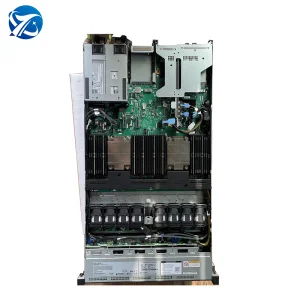
Hardware optimization at the V7 level focuses on micro-architectural variables. Standard off-the-shelf rack servers often throttle under multi-vector computing pressures due to sub-optimal power distribution, inefficient thermal design, or misaligned NUMA (Non-Uniform Memory Access) nodes. Our design engineers resolve these structural limitations at the physical layout stage, configuring customized firmware parameters, specific BIOS settings for low latency, and thermal envelopes that accommodate the power needs of modern enterprise accelerators.
Unlock higher memory bandwidth and pool memory resources dynamically using Compute Express Link, reducing system bottlenecks for in-memory databases and large-scale AI vector database search operations.
Tailored BMC/IPMI integrations, energy state settings, and hardware sleep configurations tuned to minimize CPU cycle waste, ensuring performance peaks align with enterprise workload requirements.
Key development directions that shape the capabilities, power footprints, and compute-densities of custom servers globally.
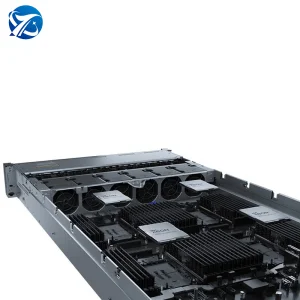
With system thermal design power (TDP) per processor exceeding 350W+ and GPUs hitting 700W+, direct-to-chip liquid cooling systems are replacing air setups to lower data center PUE and avoid thermal throttling.
Custom layout optimizations mapping out PCIe lanes specifically to accommodate mix-and-match combinations of L40S, H100 PCIe, and cost-effective legacy V100 architectures without inter-bus congestion.
Hardware-enforced secure boot, customized Cryptographic Coprocessors, and TPM 2.0 implementations matching localized regulatory compliance frameworks in North America, the EU, and Asia.
| Optimization Vector | Standard V7 Baseline | Custom OEM Optimized V7 (Bexora) | Workload Performance Delta |
|---|---|---|---|
| Memory IOPS | Standard DDR5 4800 MT/s | Optimized Bus Layout (Up to 5600+ MT/s) | +15% to 22% Latency Reduction |
| Thermal Footprint | High Fan RPM / Air Cooled (TDP limit 350W) | Direct-to-Chip Liquid Block & Loop (TDP 500W+) | 30% Lower Power Draw on Cooling |
| PCIe Lane Lane Mapping | Generic Shared Bus Configuration | Dedicated Point-to-Point GPU Topology | Maximized Throughput for AI Clusters |
| BMC/Firmware Controls | Proprietary Vendor Lock-in (Limited Mod) | OpenBMC / Dynamic Fan & Power Tuning | Improved Control Over Idle/Peak Duty Cycles |
Procurement teams inside global enterprises are shifting from buying general purpose hardware to acquiring precision-engineered, customized execution environments.
Modern global organizations operate under tight efficiency metrics. IT architecture decisions are no longer isolated engineering choices; they are direct drivers of corporate Total Cost of Ownership (TCO), Return on Invested Capital (ROIC), and environmental ESG rankings. An inefficient server fleet drains megawatt hours and drives operational costs through maintenance, configuration delays, and system failures. Custom OEM optimization directly addresses these concerns. By excluding non-essential onboard components and optimizing physical designs, Bexora lowers base manufacturing costs and mitigates common hardware failure points.
Furthermore, cloud service providers (CSPs), scale-up AI startups, and research institutions face differing compute environments. For example, a financial trading cluster demands bare-metal optimization for microsecond transactional speeds, whereas a DeepSeek AI inference cluster requires massive storage capacity and GPU-to-CPU interface routing. Off-the-shelf standard models force buyers to compromise, resulting in underutilized silicon and wasted power. OEM customization empowers procurement professionals to spec systems precisely to their software stack, optimizing every dollar spent on CPU cores, GPU accelerators, and memory modules.
Operating from China’s leading hardware manufacturing hub, Bexora AI Systems (China) Co., Ltd. leverages a highly developed component ecosystem to manufacture enterprise computing equipment. With 12 years of industry experience, 7 years of export history, and an 18,600 square meter facility, Bexora handles everything from conceptual design to large-scale system integration (L10/L11) under one roof.
Our supply chain ecosystem features over 860 vetted partners. This direct access allows us to source raw materials, custom sheet metal, backplanes, memory modules, and power units with speed and flexibility. When global logistics disruptions occur, our localized network provides alternative component options, preventing manufacturing delays.
Quality control is managed by 45 specialized QC professionals. We reject simple spot checks in favor of a strict 100% inspection protocol combined with random sampling reliability testing. Every system undergoes:

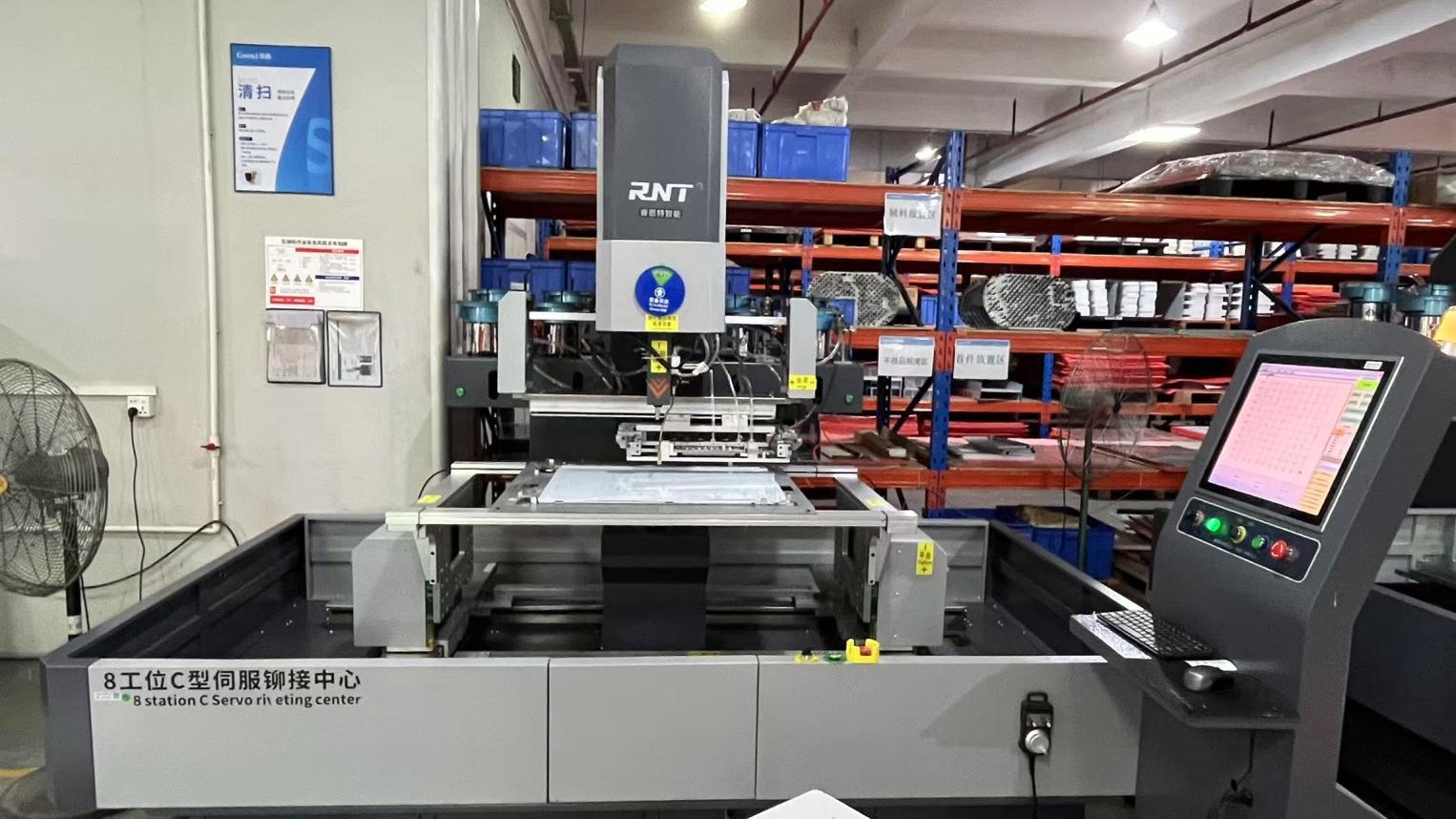
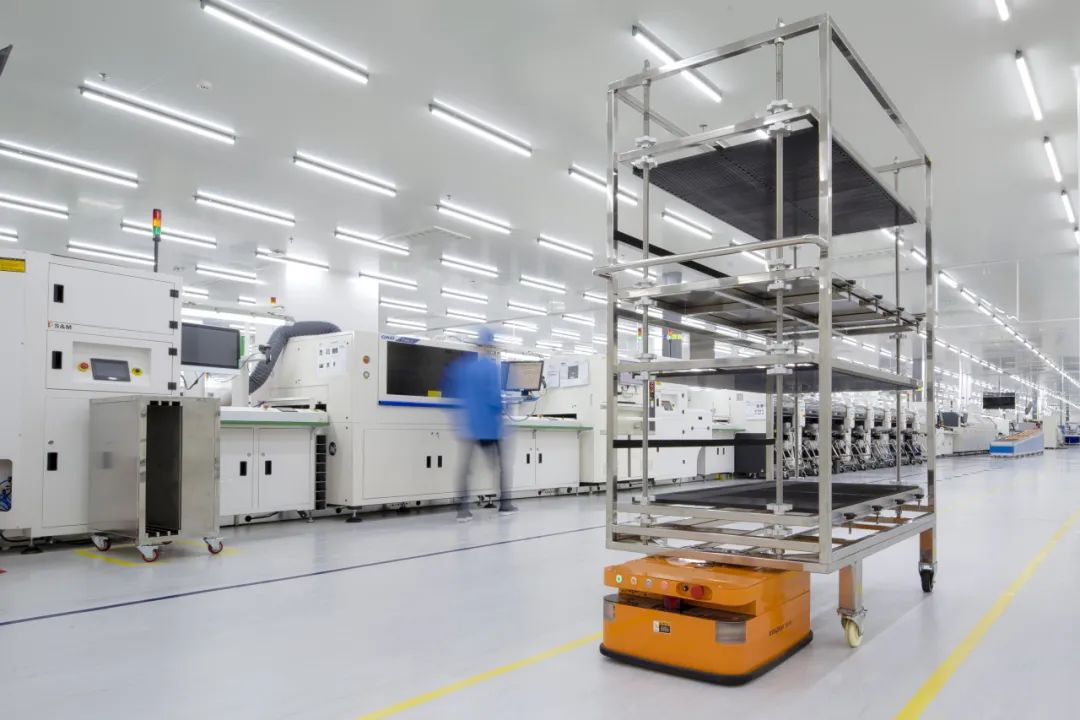

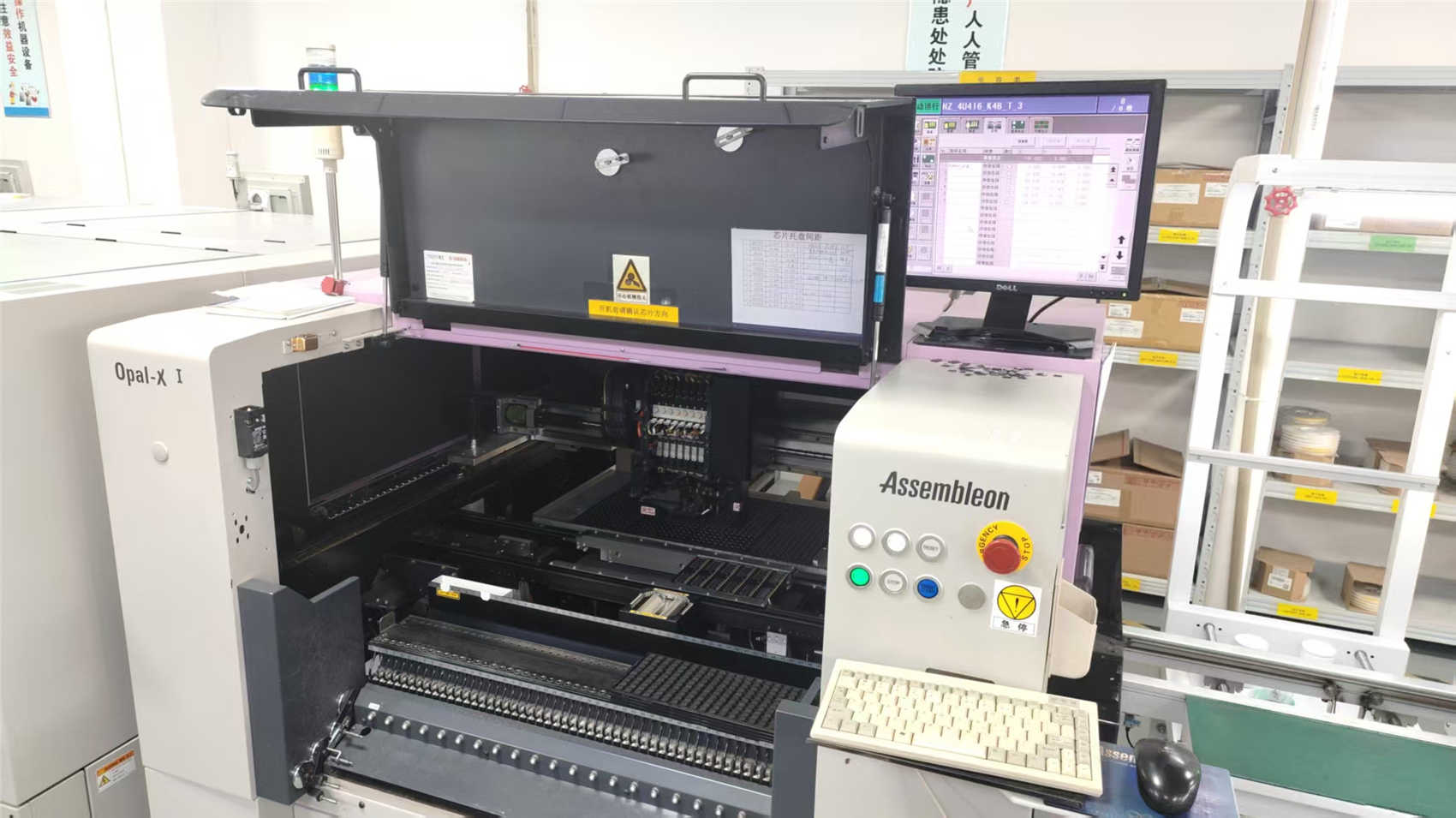
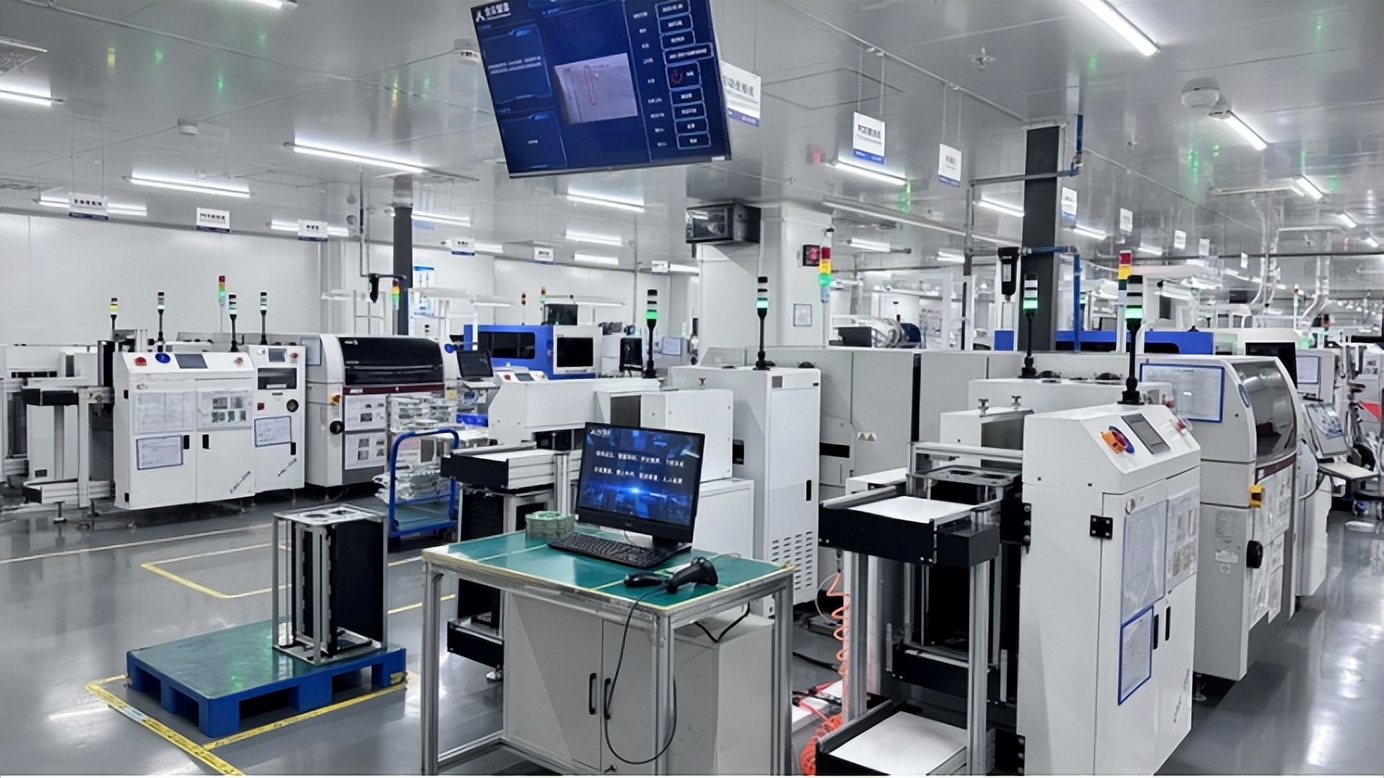
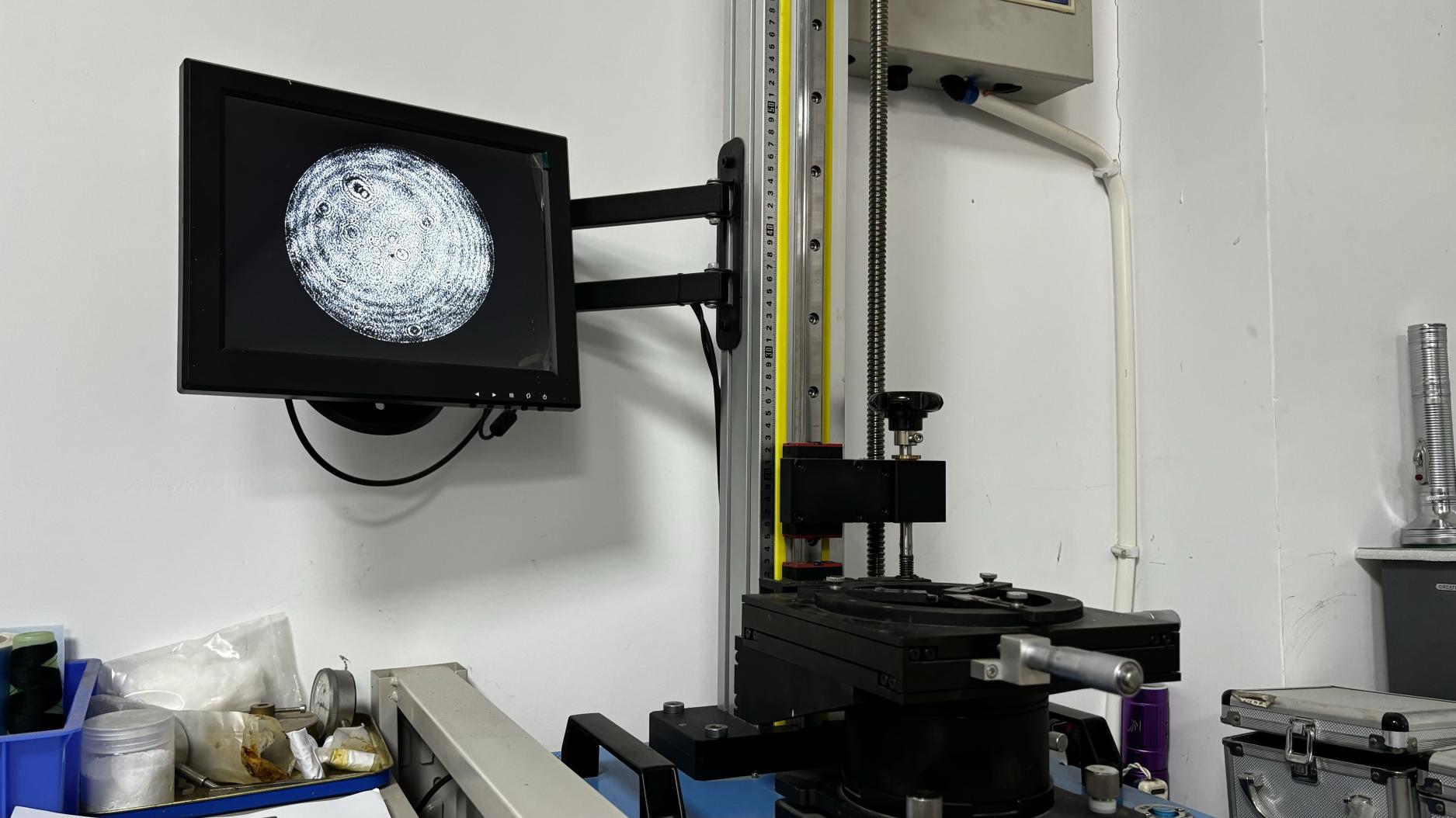

Inside Bexora’s ISO9001 certified integration facility, featuring automated manufacturing lines, burn-in chambers, and component testing zones.
How optimized V7 hardware is deployed across various geographic markets and business sectors.
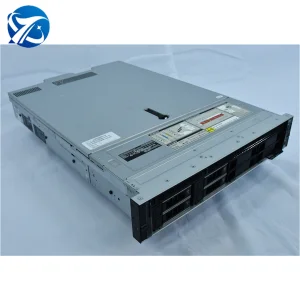
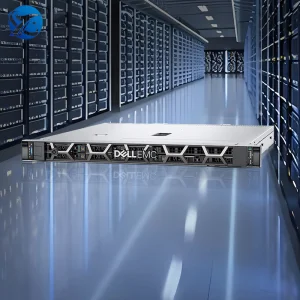
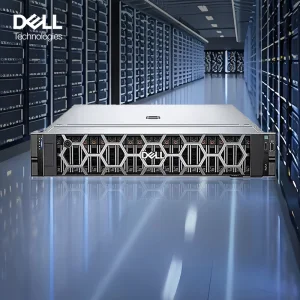
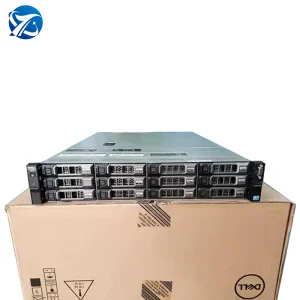
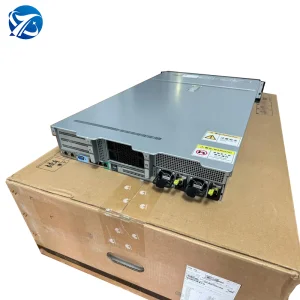
High-density multi-tenant environments where optimized V7 systems, like the custom 2288H V7 or R760XS configurations, help operators save space, maximize CPU density per cabinet, and lower PUE scores.
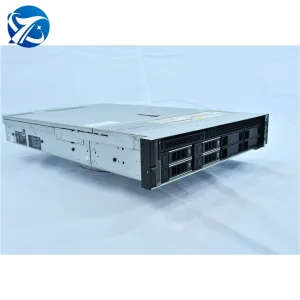
Decentralized telecom and utility hubs that deploy compact, ruggedized 1U architectures (such as the R660XS) equipped with customized hardware cryptography chips to guarantee data sovereignty.
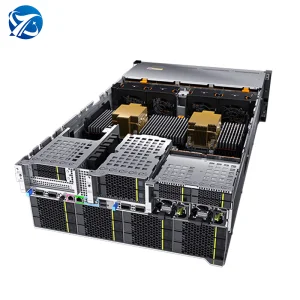
Accelerated compute deployments supporting AI initiatives. High-power configurations with multi-GPU architectures handle large language models, smart city image parsing, and resource exploration modeling.
Technical answers to common engineering and procurement questions about V7 server customization.
Our technical optimization focuses on board-level routing adjustments, custom firmware BIOS profiling, and thermal design improvements. We configure settings based on specific software goals, such as low-latency virtualization or high-throughput batch compute. We also eliminate unnecessary onboard controllers to reduce passive power draw and improve overall hardware reliability.
Our 45-person quality control team manages a comprehensive verification process. All units undergo dynamic automated optical inspections (AOI), structural checks, firmware audits, and 48-to-72 hour burn-in runs in environmental test chambers. This rigorous process helps prevent early component failures and ensures hardware stability in high-load data center environments.
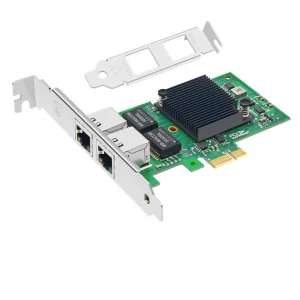
Yes, we specialize in heterogeneous computing solutions. We align PCIe Gen 5 lanes, optimize internal airflow to cool high-TDP cards, and use specialized expansion options like the Array Card XC470C-M-8i. This ensures uninterrupted data flow between the processor, system memory, storage drives, and GPU accelerators.
Our location in China's advanced electronics manufacturing region connects us with over 860 supply partners. This integration allows us to quickly source specialized components, customize chassis designs, adjust manufacturing schedules, and manage production costs effectively while maintaining reliable lead times.
Additional high-performance rack servers and components for enterprise, storage, and networking needs.