Bexora
Bexora
Bexora
Engineered for high density, exceptional operational capacity, and high-frequency read/write cycles across scalable cloud architectures.
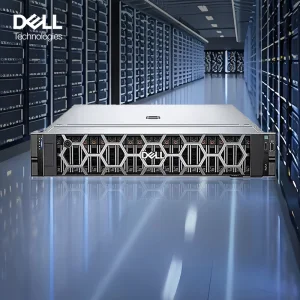
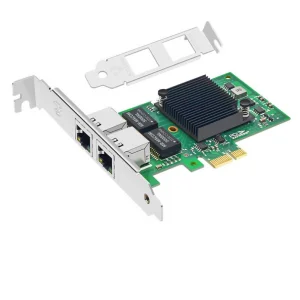
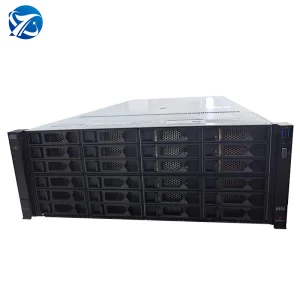
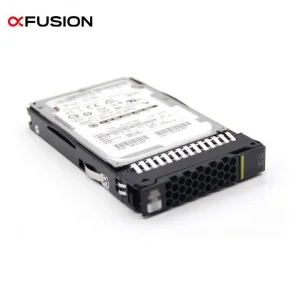
An expert analysis of deployment models, critical performance metrics, and global procurement paradigms for high-concurrency datacenters.
The global enterprise data market is experiencing an unprecedented structural shifts driven by AI training (such as DeepSeek and LLMs), machine learning pipeline automation, and high-frequency trading networks. Standard storage systems are no longer sufficient; global enterprises require architectures that dynamically scale processing workloads, maximize input/output operations per second (IOPS), and maintain rock-solid reliability under extreme thermal stress.
Historically, enterprise storage was divided into silos of NAS (Network Attached Storage) and SAN (Storage Area Network) arrays. Modern hyperscale architectures require unified, software-defined solutions that integrate flash NVMe fabrics directly into the computation cluster. This hybrid structure optimizes caching mechanisms, reduces memory bottlenecks, and eliminates the latency overhead associated with legacy storage controllers.
"According to recent industry forecasts, server storage workloads supporting AI applications will demand up to 5x higher sustained read-write throughput and significantly lower latency by 2026. This requires transition from traditional PCIe Gen 3/4 controllers to Gen 5 architectures and Tri-mode RAID configurations."
For international procurers, sourcing from China-based hubs like Shenzhen provides exceptional logistical and development advantages. Chinese manufacturers offer a complete hardware development lifecycle within a single geographic zone. From raw PCB layout and components sourcing to precise thermal modeling and full-system burn-in testing, the process is streamlined for maximum efficiency.
Modern system storage must be customized to handle specific localized use cases, maintaining peak performance in different operating environments:
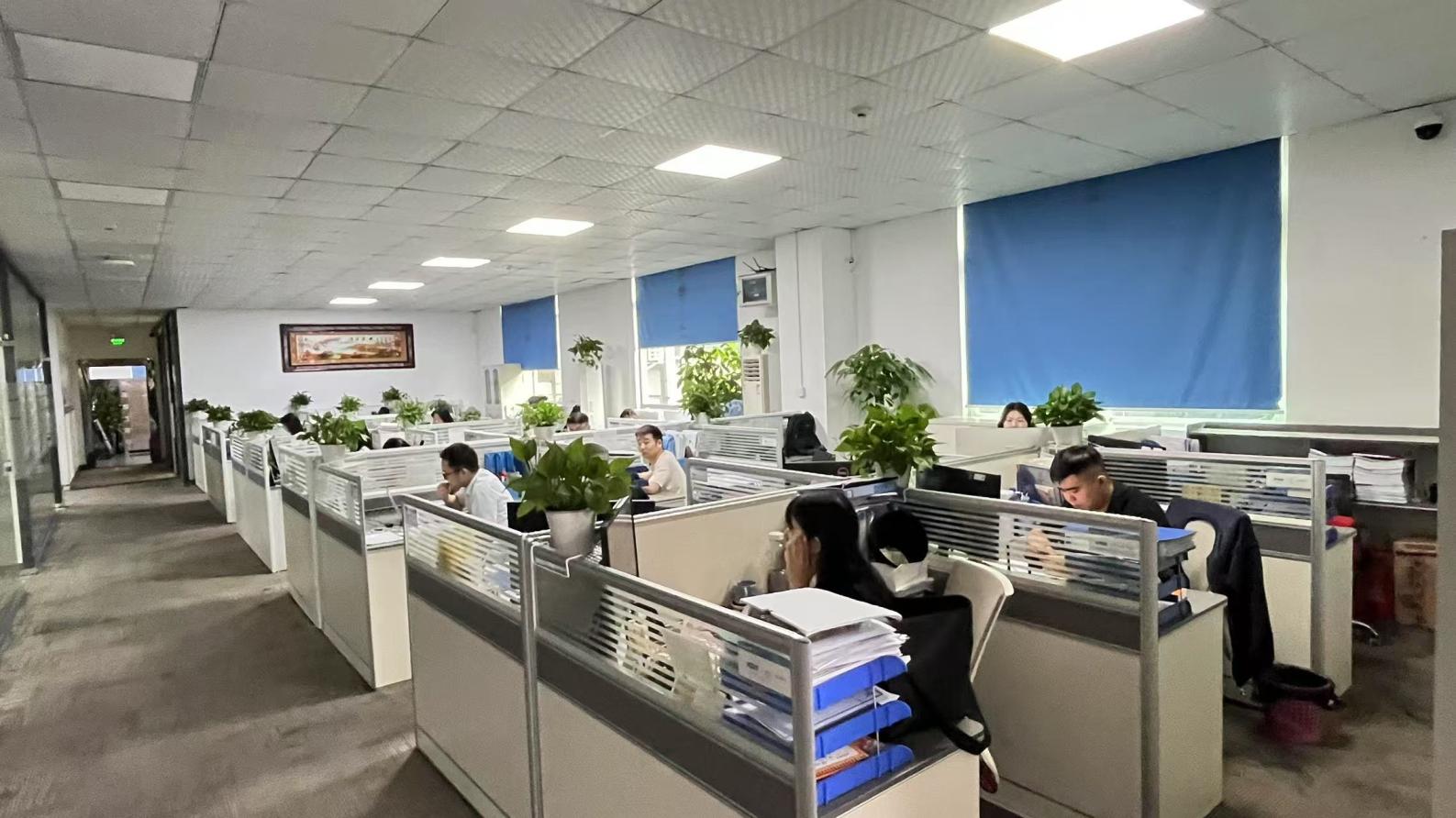
Backed by strict verification systems, experienced technical engineers, and global supply channels, we deliver high-performance hardware at scale.
We provide extensive OEM/ODM modification including mechanical structural chassis tailoring, bespoke PCIe routing lanes, power delivery scaling, and unique liquid-to-air cooling options.
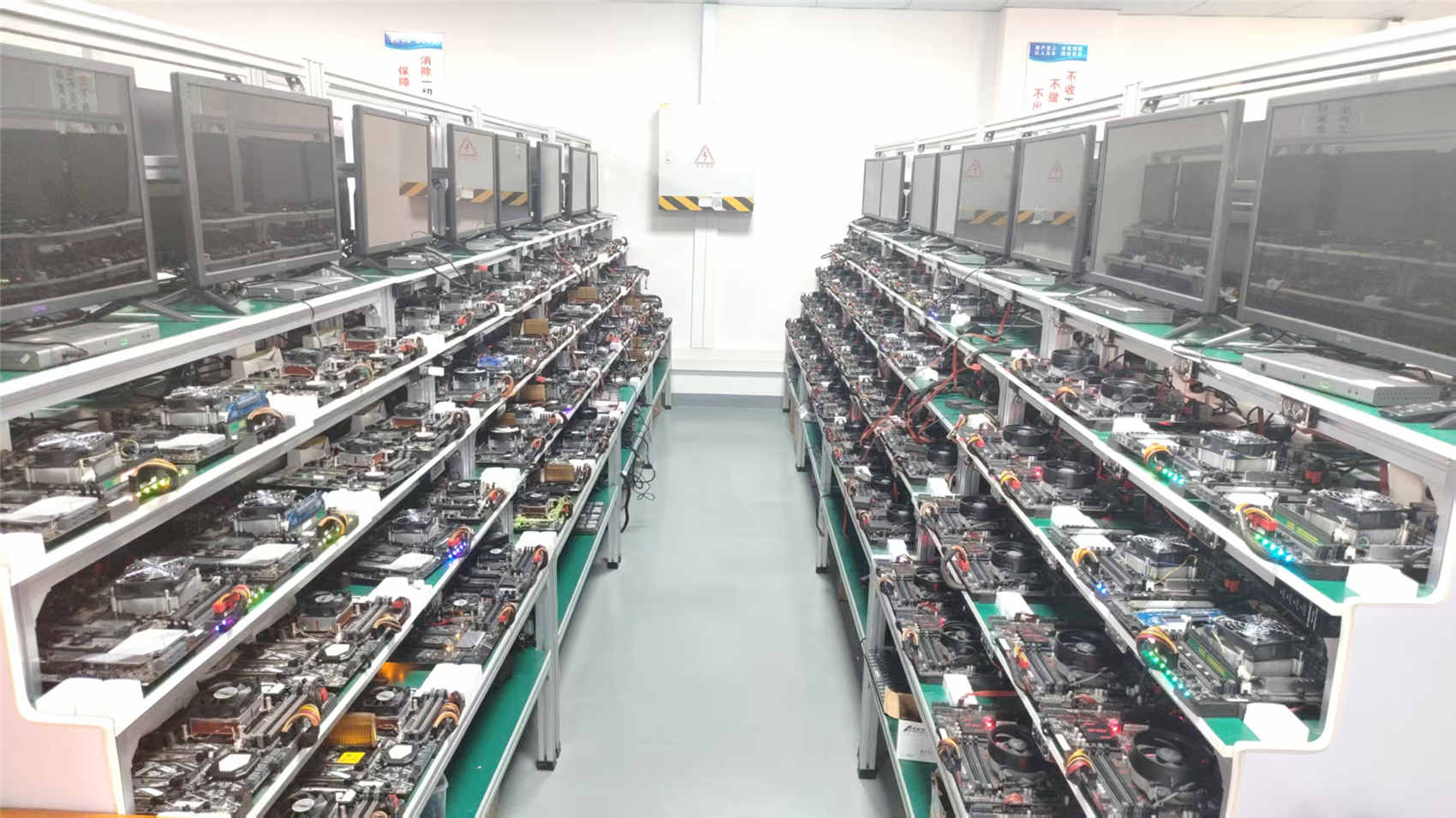
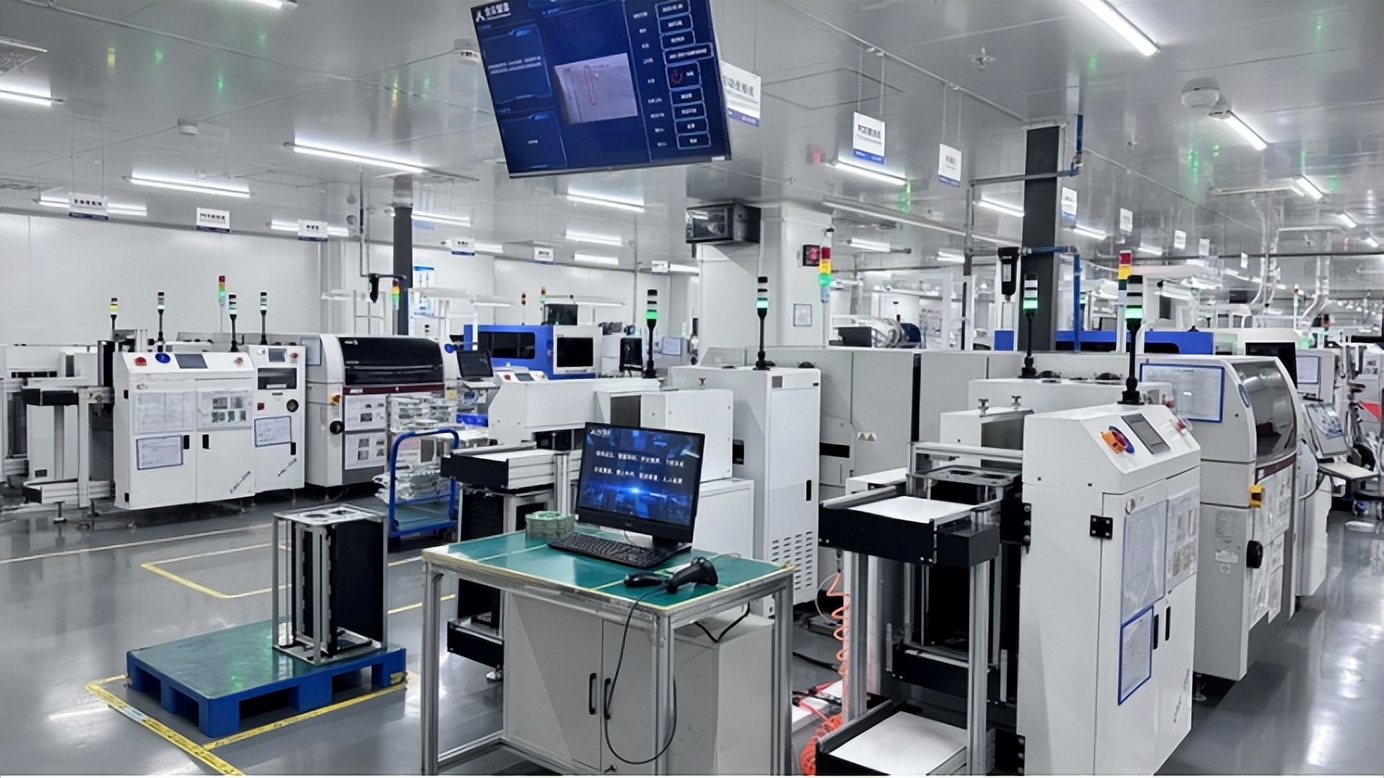
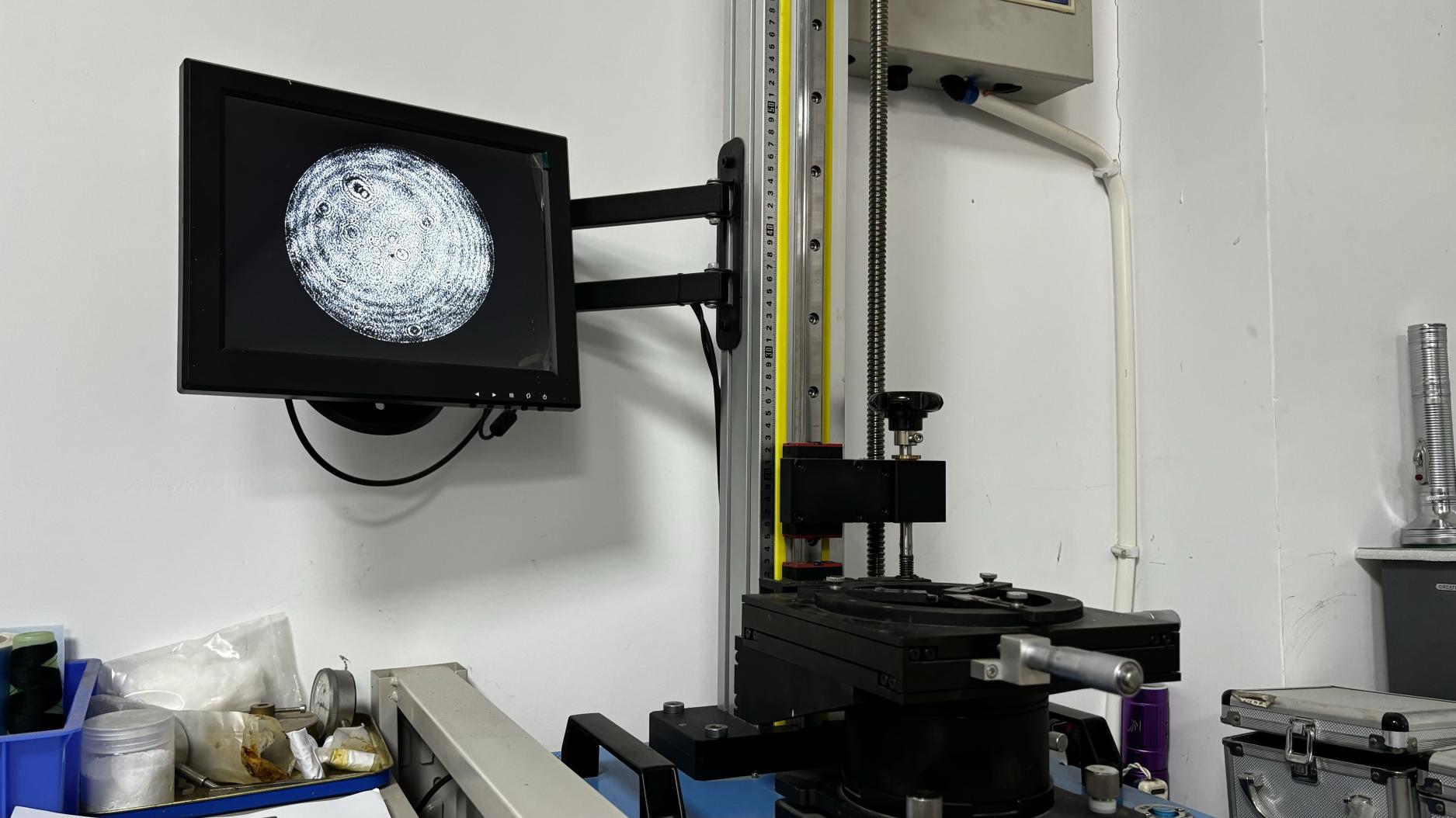
Every node undergoes 100% full inspection containing high-temperature burn-in protocols, high-load AI training simulations, firmware security validation, and thorough Automated Optical Inspection (AOI).
With over 7 years of export history and compliance credentials, we distribute enterprise storage platforms to clients across North America, Europe, the Middle East, and Southeast Asian markets.
Important criteria for IT directors and supply chain managers evaluating rack computing architecture.
Enterprise data environments are rapidly migrating away from SAS/SATA interfaces toward high-speed PCIe Gen 5.0 NVMe infrastructure. NVMe-over-Fabrics (NVMe-oF) enables shared pool flash memory across data centers with latencies comparable to direct-attached SSDs. When sourcing servers, ensure controller slots support tri-mode RAID solutions (supporting SAS, SATA, and NVMe drives simultaneously) to allow for gradual storage transitions without replacing chassis backplanes.
Modern servers generate significant thermal output. Air cooling solutions require highly optimized fan arrays with customizable speed curves tailored to environmental loads. Liquid-to-air cooling options are increasingly necessary for servers supporting intensive AI training tasks, keeping operational temperatures lower, avoiding thermal throttling, and prolonging the life of flash silicon and processors.
Securing hardware at the firmware level is critical for cloud service providers. Modern servers should feature a silicon Root of Trust (RoT), secure boot protocols, and encrypted firmware update pathways. These security standards prevent unauthorized low-level access and keep datacenters secure against advanced exploits.
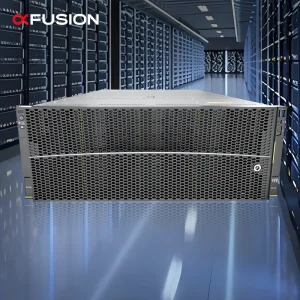
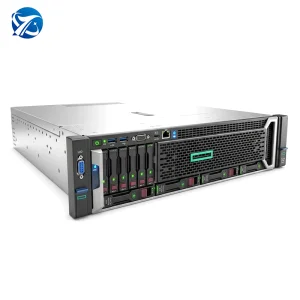
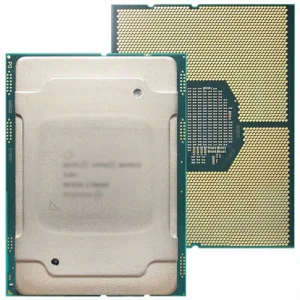
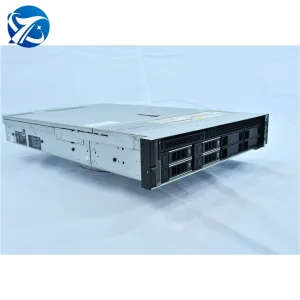
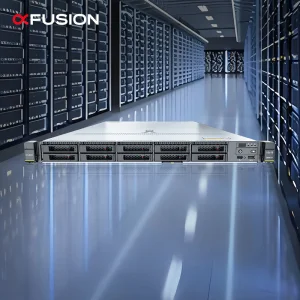
Browse our selection of processing solutions and advanced rack servers built to handle modern multi-threaded data workloads.
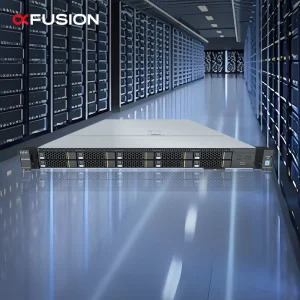
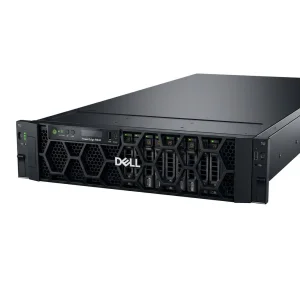
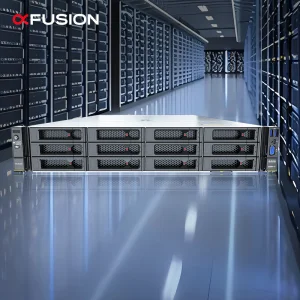
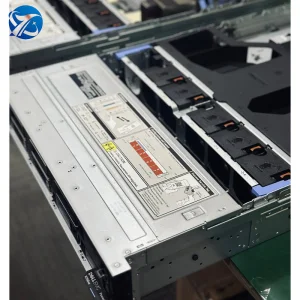
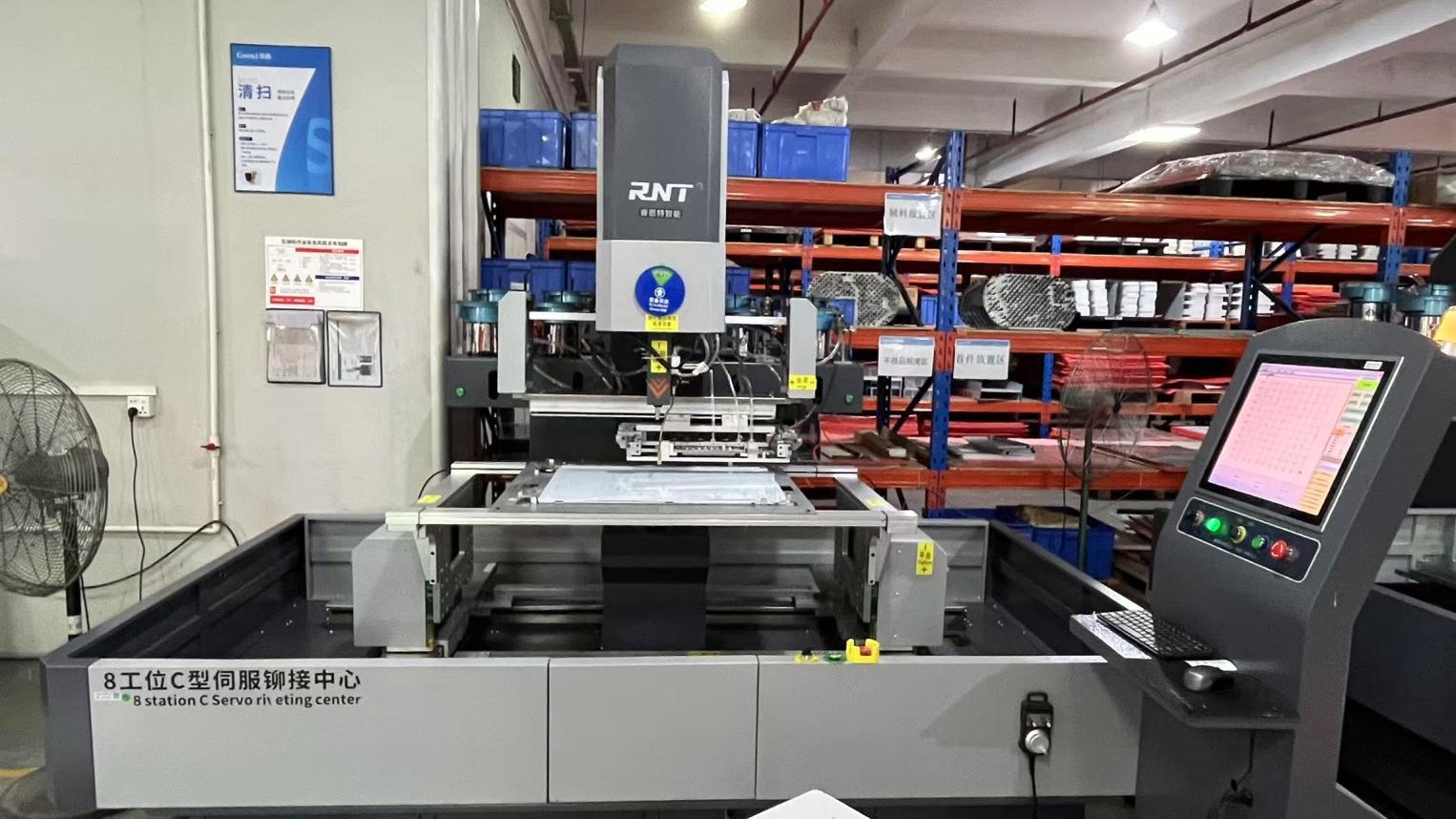
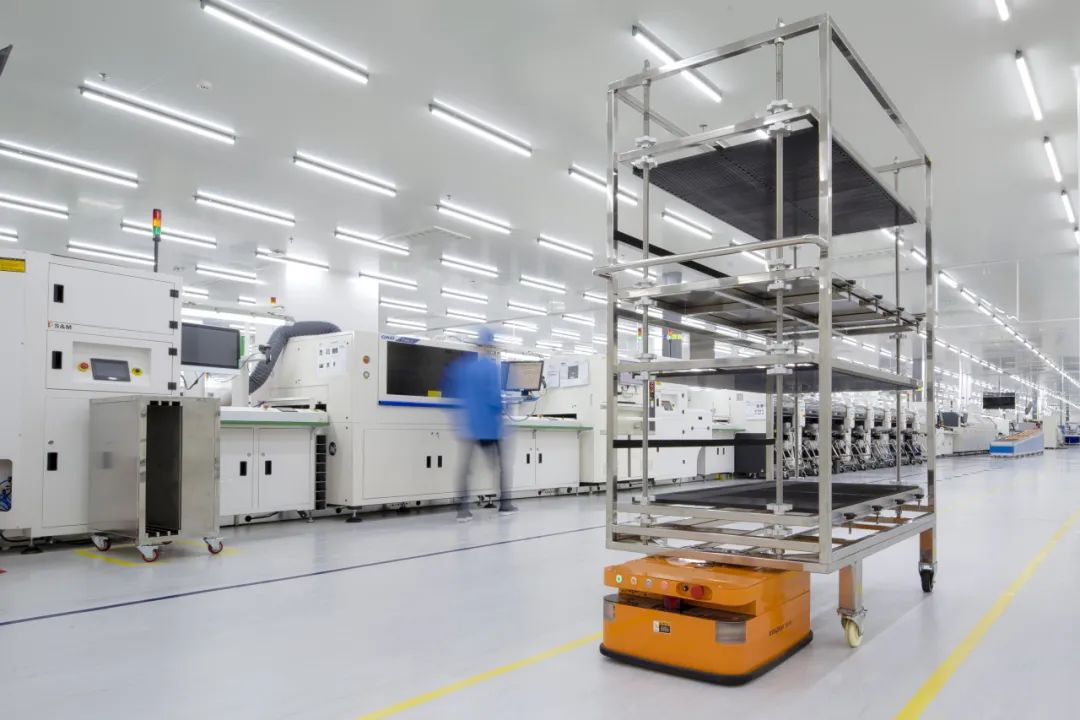
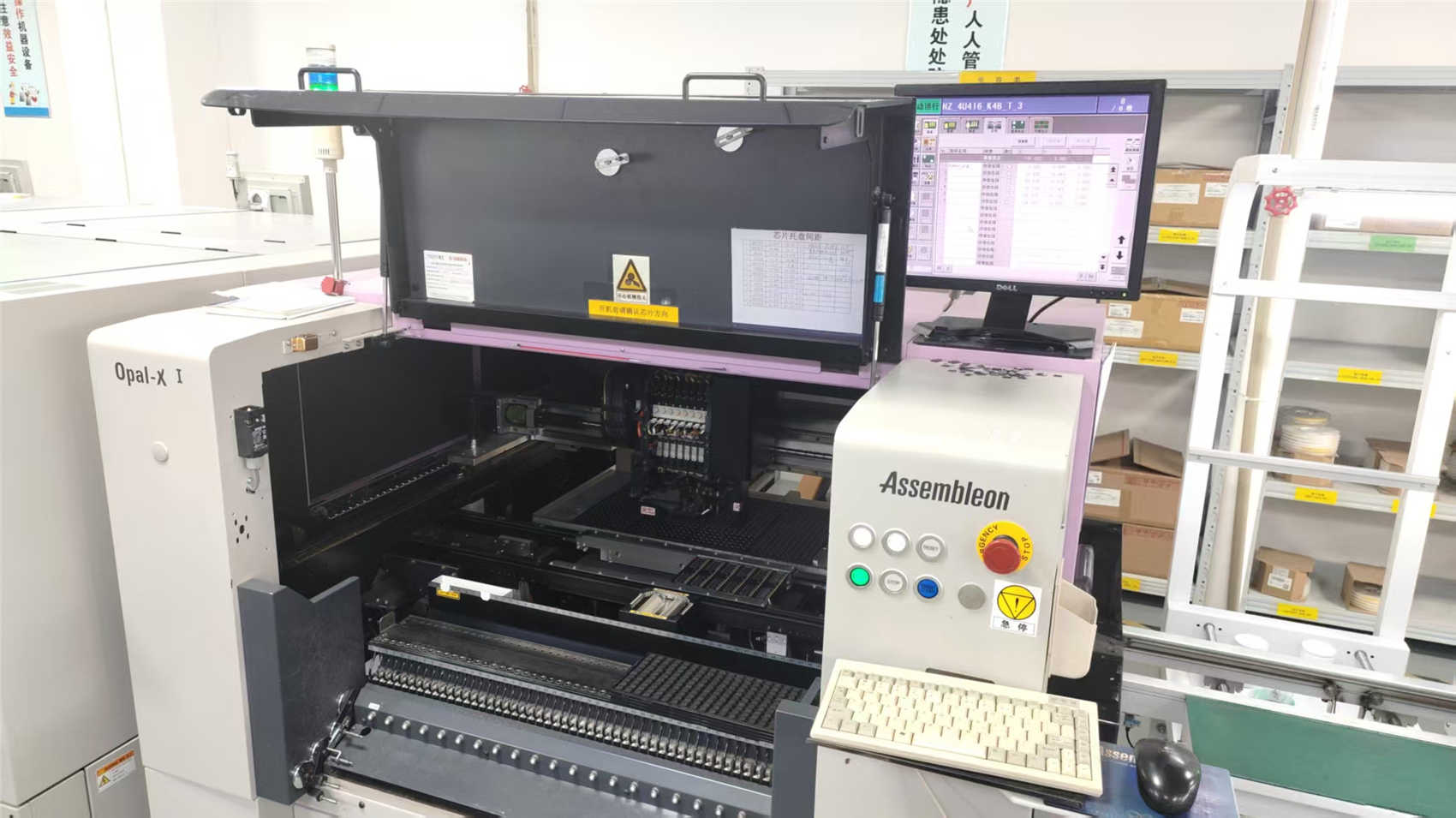
Inside our ISO-compliant manufacturing plant, where next-generation computing hardware undergoes strict assembly, integration, and verification testing.

Clear, direct answers addressing key technical and logistical questions for global hardware procurement.