 Bexora
Bexora
Bexora
High-availability, scale-out architecture optimized for high-density edge and core enterprise workloads in North American data hubs.
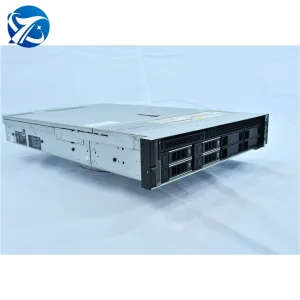
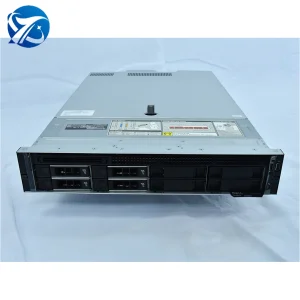
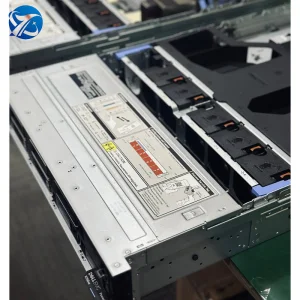
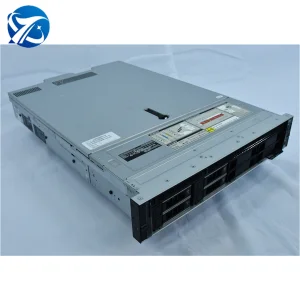
Within the United States enterprise computing market, server procurement involves complex regulatory frameworks, logistics infrastructure, and compliance demands. Sourcing managers and CTOs looking to build modern IT environments face unique challenges ranging from supply chain traceability to trade compliance regulations.
Dell Technologies manages a highly diversified, globalized supply chain network. For North American customers, Dell’s domestic configuration centers—predominantly located in Austin, Texas, and Winston-Salem, North Carolina—focus on final configuration-to-order (CTO) processes. These facilities assemble pre-configured motherboard trays, chassis systems, power components, and custom configurations (such as specific Intel Xeon or AMD EPYC processors, DDR5 memory layouts, and enterprise-grade storage cards) imported from overseas factories.
Dell's primary global volume manufacturing hubs are located in key logistics corridors:
For US buyers with strict federal compliance standards, navigating these origins is critical. Dell offers dedicated system configurations that comply with the Trade Agreements Act (TAA). Understanding these geographical dynamics helps procurement officers mitigate potential tariff exposures and maintain business continuity.
US modern workloads demand optimized server configurations. Standard off-the-shelf options often struggle with high-density workloads. Below is how leading enterprise compute infrastructures are deployed across core industrial sectors in the United States:
High-frequency financial trading algorithms, medical genomics research, and LLM training require high-density compute nodes. The R760 series provides optimized PCI Express Gen 5 pathways and direct-contact liquid cooling options, allowing enterprise architectures to maximize compute performance while staying within strict data center thermal envelopes.
With strict compliance standards like PCI-DSS and real-time transaction processing needs, US banks use multi-socket enterprise configurations. Dynamic storage architectures like the R760XD2 support large database caching directly adjacent to the CPU cores, reducing system latencies to microsecond levels.
Healthcare providers deploy secure private clouds using hardware-based root of trust. Using Cryptographic Silicon Root of Trust embedded directly on the motherboard, modern rack systems protect patient electronic health records (EHR) from firmware-level exploits.
Modern smart warehouses and smart factories across the US Midwest rely on resilient edge servers. 1U systems like the R660xs provide localized AI-inference processing capabilities at the edge of the network, reducing bandwidth costs and WAN latencies.
Optimized systems designed to power mission-critical database clusters, local development workloads, and distributed file structures.
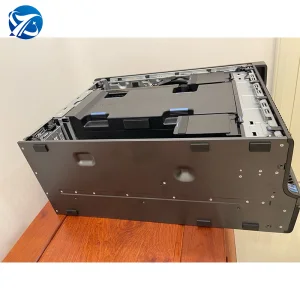
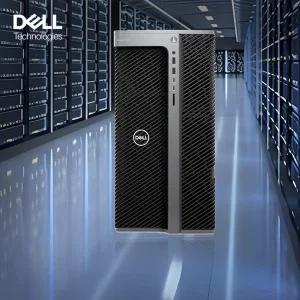
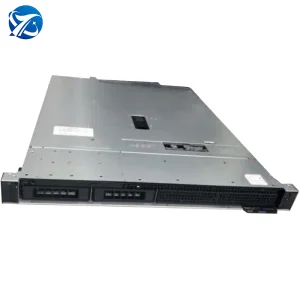
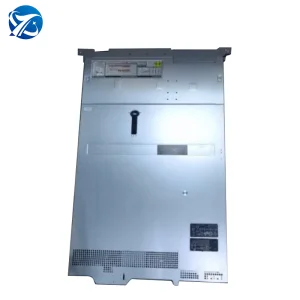
Deploying server hardware in North America requires adherence to a complex regulatory landscape. Federal and corporate data centers must meet strict compliance mandates to protect workloads and verify supply chain security.
U.S. government procurement programs (like GSA schedules) require IT hardware to be TAA-compliant, meaning products must be manufactured or substantially transformed in the United States or another recognized designated country.
Compliance with NIST SP 800-193 (Platform Firmware Resiliency Guidelines) is essential. Modern server motherboards use secure cryptoprocessors to verify the integrity of the BIOS, UEFI, and Option ROMs prior to system execution.
Healthcare and cloud hosting providers must use physical intrusion detection switches, secure bezel covers, and native SED (Self-Encrypting Drive) controller integration to comply with physical security mandates.
While primary tier-1 brands dominate standard commercial enterprise deployments, custom ODM/OEM suppliers have become essential partners for high-density AI infrastructures. By working directly with experienced manufacturers like Bexora AI Systems, companies can design and build specialized server architectures. This flexibility helps address the GPU component shortages and long lead times common with traditional hardware suppliers.
High-Performance Compute Infrastructure & Custom AI GPU Server Manufacturer
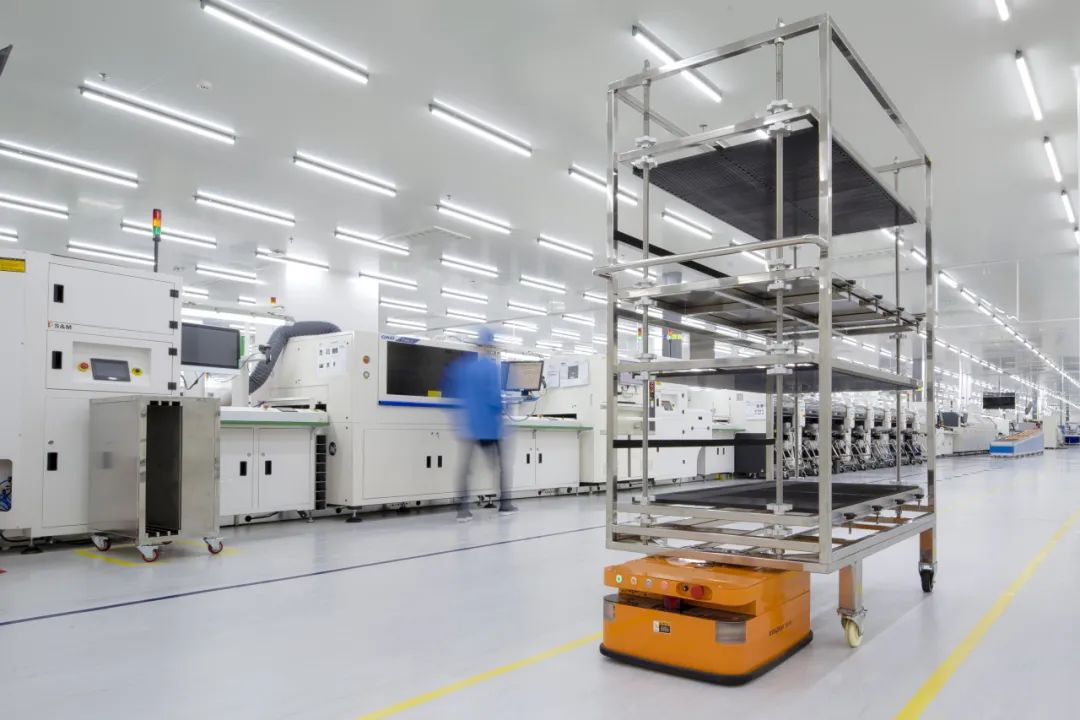
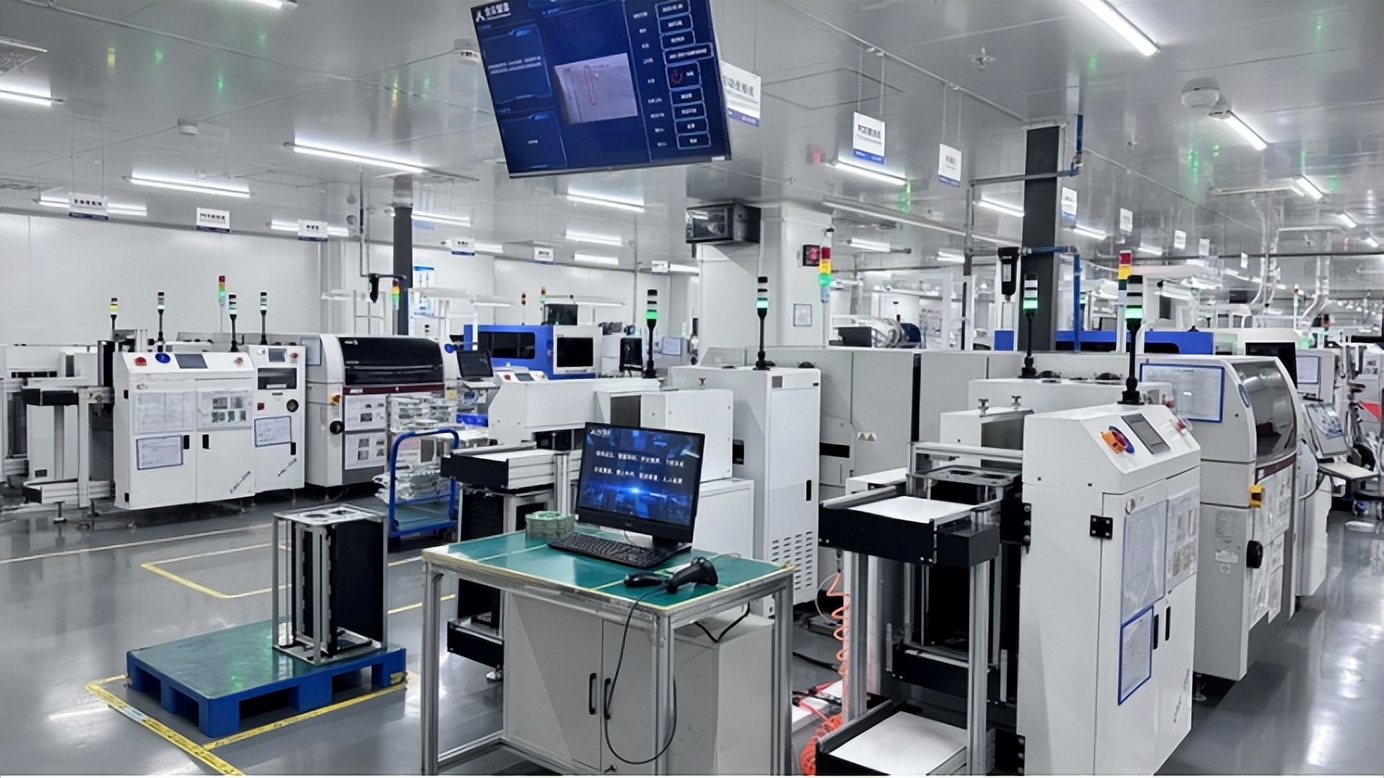
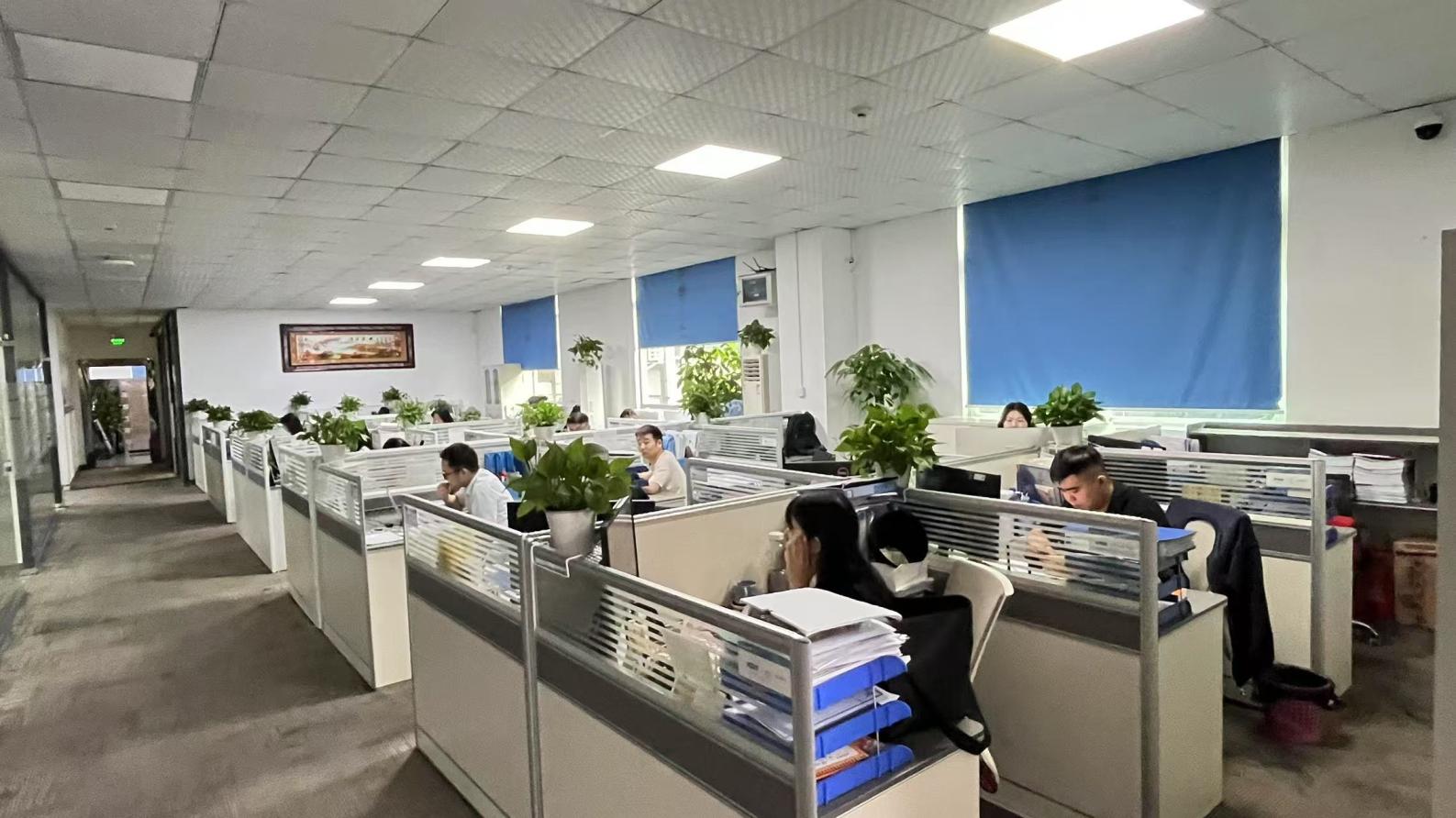
Established in 2016, Bexora is a professional AI GPU server and high-performance computing infrastructure manufacturer based in China. We specialize in building scalable compute systems designed for intensive AI training, inference, and modern data center deployments.
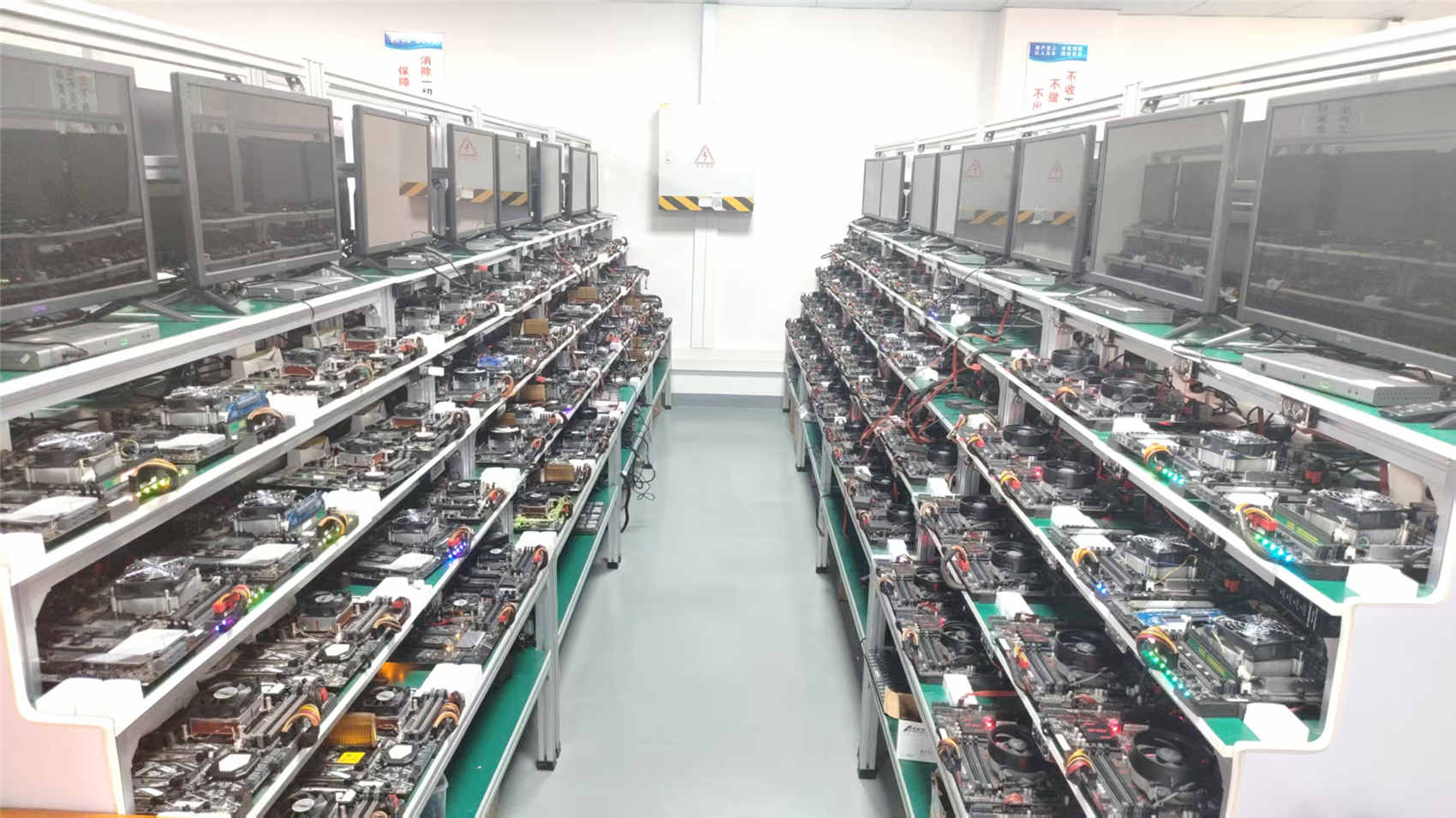
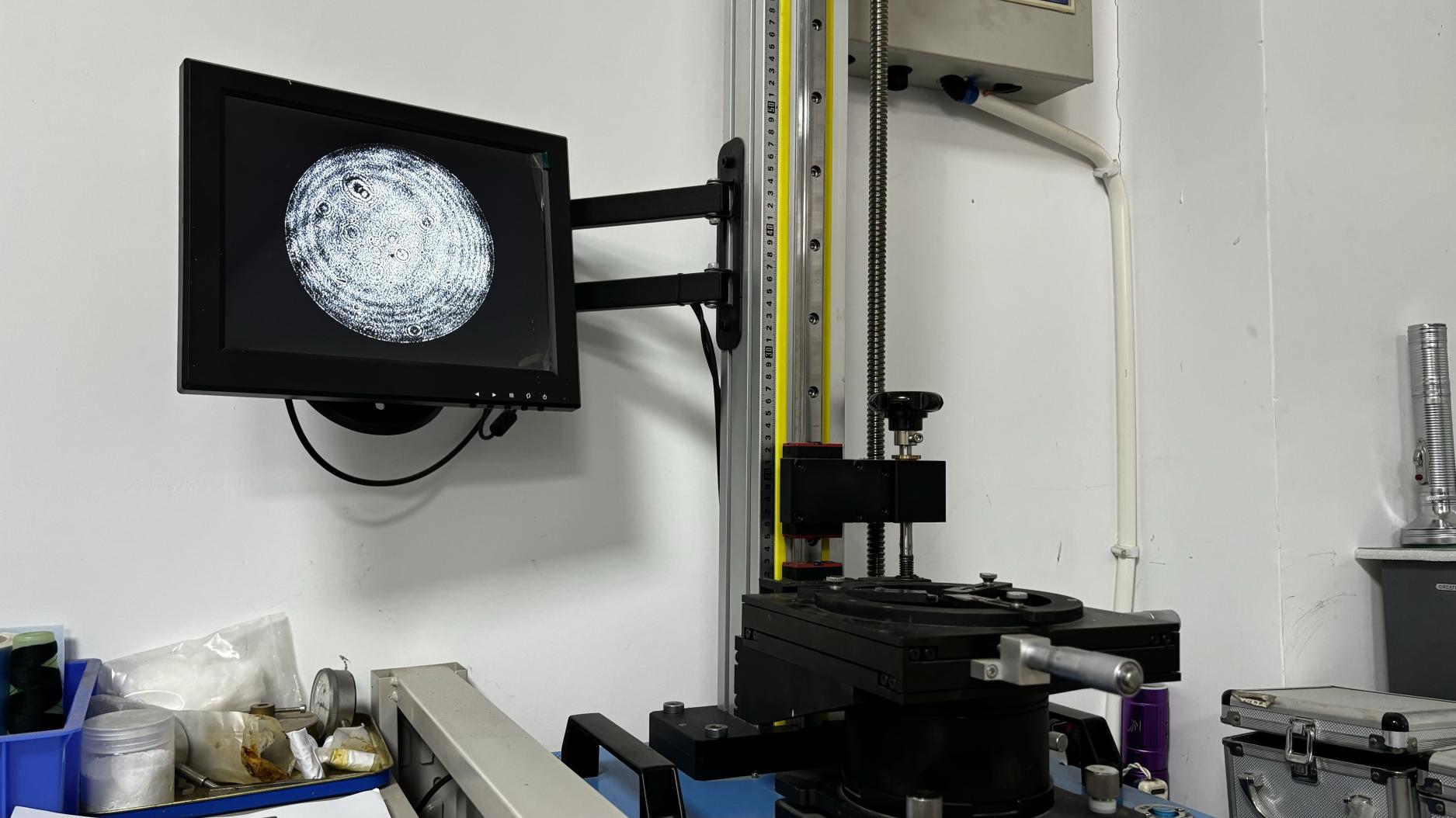
Quality Control: 100% full inspection combined with random reliability testing guarantees system stability under sustained, high-load AI workloads.
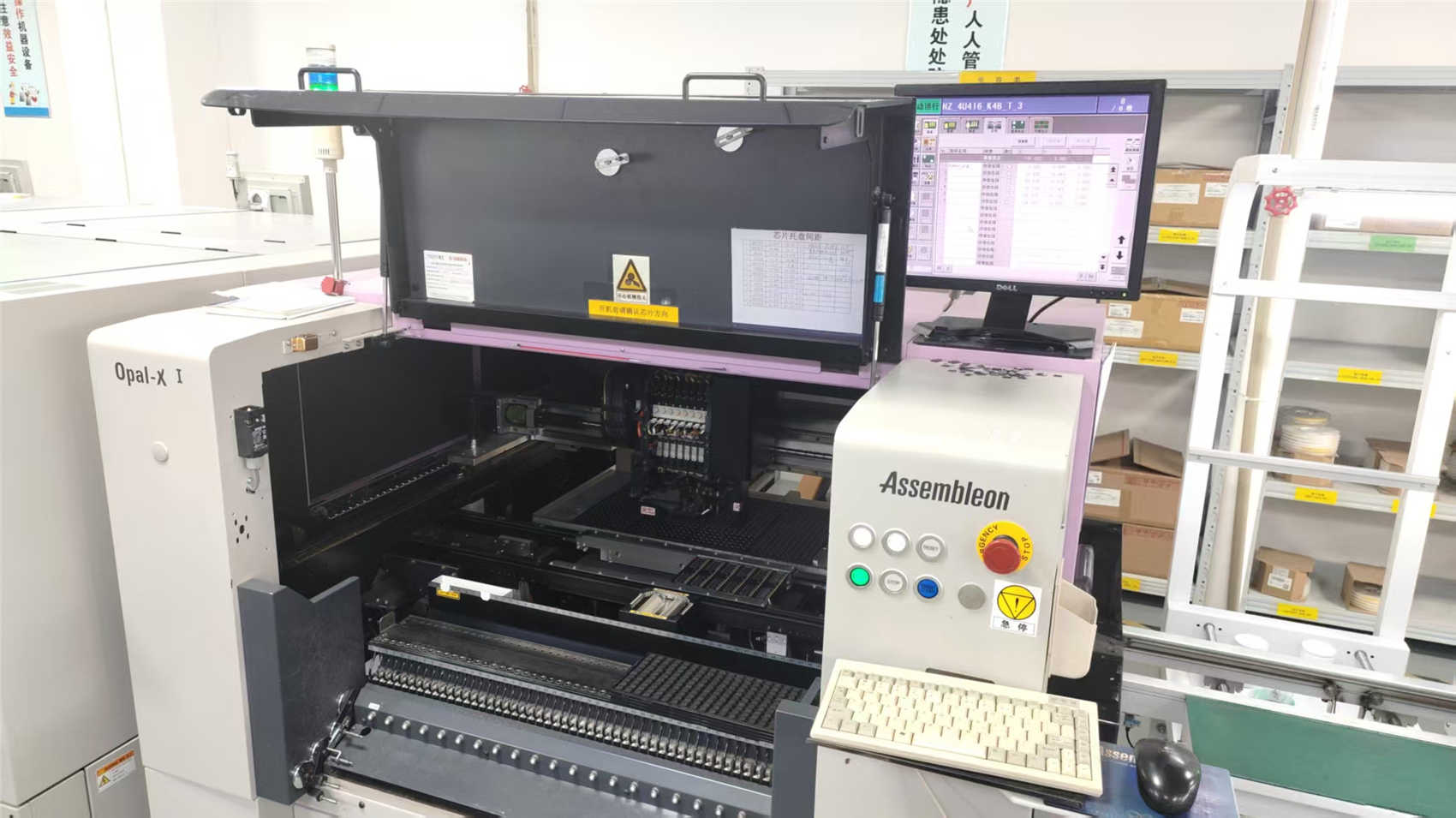
Inspection Methods: Automated Optical Inspection (AOI), burn-in testing, thermal stress testing, firmware validation, and full system workload simulations.
Sourcing Network: Over 860 partners across our upstream and downstream supply chains support GPU sourcing, chassis manufacturing, networking, and liquid cooling systems.
Customization: OEM/ODM services, custom chassis design, flexible GPU topology, liquid cooling integration, and firmware performance tuning.


Enterprise data center designs are evolving rapidly in response to the power and cooling requirements of modern computing workloads. As workloads transition from general-purpose CPUs to accelerator-driven architectures, system requirements are changing across three key performance vectors:
Next-generation processors and high-performance accelerator blocks regularly exceed 350W to 500W per socket, pushing traditional air cooling to its physical limits. Datacenter operators are moving toward hybrid direct-contact liquid cooling loops and immersion cooling systems to maintain optimal temperatures, reduce PUE, and prevent thermal throttling.
The transition to PCIe Gen 6 doubles data throughput compared to Gen 5, which is essential for maximizing GPU performance. Concurrently, Compute Express Link (CXL) technology allows memory pooling across CPUs, accelerators, and smart network interfaces, lowering latency and improving resource utilization across the cluster.
Modern remote management tools (such as Dell iDRAC 9 and open-standard Redfish APIs) are integrating machine learning models. These integrations analyze system telemetry in real time to predict component failures, automatically adjust cooling fans, optimize power consumption, and schedule preventive maintenance.
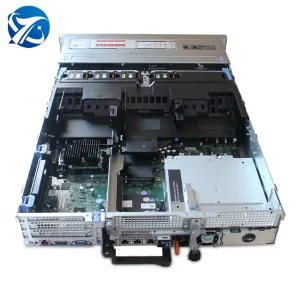
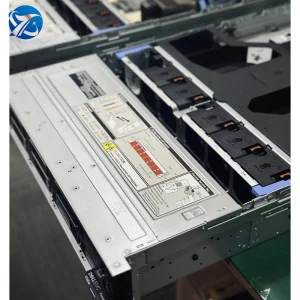
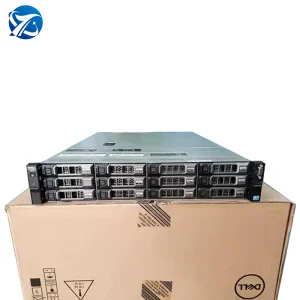
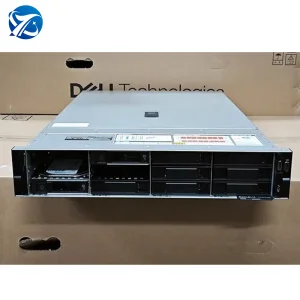
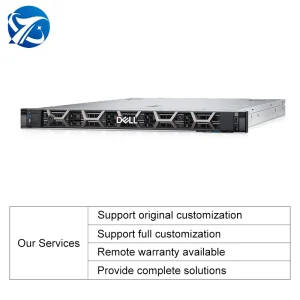
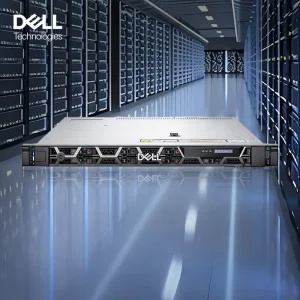
Our comprehensive portfolio of 1U, 2U, and multi-socket server platforms configured for high throughput, virtualization, and storage capacity.
Practical answers to questions regarding supply chains, manufacturing, regulatory compliance, and customized hardware sourcing.